The hard part of building a knife brand isn’t the product vision. It’s finding a private label knife manufacturer you can trust to execute it.
Most brands learn this the hard way — samples look great, the bulk order ships late, the finish is inconsistent, and the packaging looks nothing like what was approved. The brand takes the hit. Every time.
This guide covers what to look for, what to ask, and how to evaluate partners on criteria that actually predict a good outcome — not just a good first impression.
TL;DR: Key Takeaways for Sourcing Private Label Knives
- A dedicated project manager is non-negotiable. If you don’t have a single named contact managing your specs and timeline — a standard practice at manufacturers like Kegani — you are effectively managing production yourself.
- MOQs should match your growth stage. Look for manufacturers who offer prototype batches (50–100 units) to validate demand before committing to bulk inventory (500+ units).
- Demand specific quality metrics. “High-quality steel” is a red flag. Require exact steel grades (D2, VG-10, CPM S30V) and Rockwell Hardness (HRC) ratings in writing.
- True partners offer scalability. The right manufacturer can seamlessly transition your brand from basic private labeling on catalog models to fully custom OEM production as your volume grows.
The opportunity is real. According to Grand View Research, the global knife market was valued at USD 4.48 billion in 2024 and is projected to reach USD 7.79 billion by 2033, growing at a CAGR of 6.4%. For brands entering the space, the window is open — but only if the manufacturing foundation is solid.
What is the Difference Between Private Label, Wholesale, and OEM Knives?
Understanding the differences between sourcing models matters because it shapes what you should expect from a manufacturer and what you can realistically build.
Wholesale means you’re buying existing, finished products from a catalog. There is no customization. You stock inventory and sell it as-is, often without branding. It is fast and simple, but you’re selling the exact same knife as everyone else sourcing from that catalog.
Private label means you’re applying your brand to an existing, proven knife model. The core design is already engineered, but the product carries your brand identity through logo application, specific finishes, or custom packaging. This is the sweet spot for most emerging knife brands because it balances speed, cost, and differentiation. Manufacturers like Kegani often maintain extensive catalogs specifically designed for private label customization.
OEM (Original Equipment Manufacturing) means you’re commissioning a fully custom design from concept through production. You dictate new geometry, new materials, and new tooling. It requires the highest cost and longest lead time, but delivers maximum brand differentiation.
| Sourcing Model | Customization Level | Lead Time | Cost / MOQ | Best For… |
| Wholesale | None (Off-the-shelf) | Very Fast | Low | Testing markets, fast inventory turnover |
| Private Label | Medium (Logos, finishes, packaging) | Moderate | Medium | Emerging brands needing speed and differentiation |
| OEM | High (Fully custom design & materials) | Long | High | Established brands with proven demand and volume |
Most brands start with private label and graduate to OEM once they’ve validated demand and built volume. The broader trend supports this approach: according to Circana data reported by PLMA, U.S. private label sales reached a record $282.8 billion in 2025 — a 30% increase from 2021 — with market share rising to 21.3%. Consumers are increasingly comfortable buying branded private label products, which makes the category more viable than ever for new entrants. A good manufacturing partner supports both paths — and doesn’t force you to choose a different supplier when you’re ready to scale.
Why Do Most Sourcing Platforms Fall Short for Knife Brands?
Alibaba and similar platforms have their place. For small test orders and basic wholesale sourcing, they work. But they’re built for transactions, not partnerships. When you’re building a brand, that distinction matters.
The core problem is accountability. On a sourcing platform, you’re one of many buyers a supplier is managing simultaneously. There’s no dedicated contact. Communication runs through a chat interface with variable response times. Quality control is your responsibility to enforce, and you often don’t have the leverage to push back effectively when something goes wrong.
Brands that outgrow this model aren’t necessarily looking for the cheapest option. They’re looking for a supplier who takes ownership of the outcome — someone who communicates proactively, flags issues before they become shipment problems, and treats the relationship as ongoing rather than transactional.
That’s the gap a proper private label knife manufacturer fills.
Start Working with a Professional Now
How to Choose the Best Private Label Knife Manufacturer: 6 Key Criteria
1. Do They Provide Dedicated Project Management?
This is the single biggest differentiator between a supplier and a partner. Ask directly: will you have a named project manager assigned to your account?
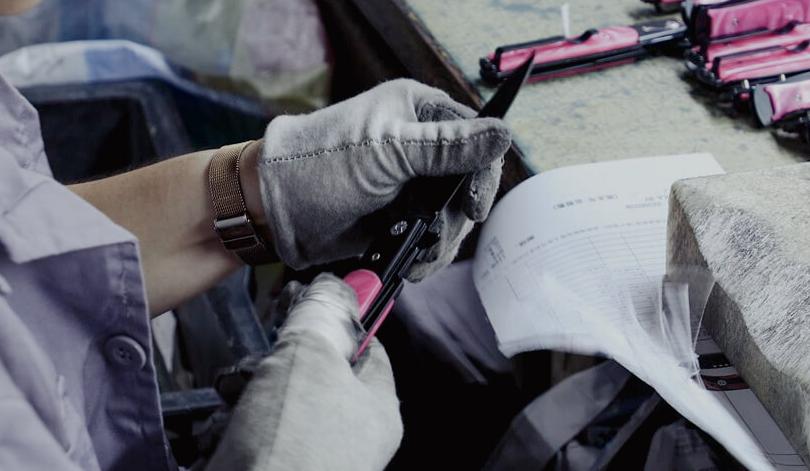
A dedicated PM means one person knows your order history, your quality standards, your packaging specs, and your timeline. They’re your point of contact from first sketch to final shipment. When a question comes up mid-production, you’re not starting from scratch with whoever picks up the chat. Without this, you’re managing production yourself — which defeats the purpose of outsourcing. This is why specialized partners like Kegani make dedicated project management the foundation of their service.
2. Do Their Minimum Order Quantities (MOQs) Match Your Stage?
MOQs vary significantly across manufacturers. Some require 500 to 1,000+ units per SKU before they’ll even consider a private label run. Others can accommodate smaller prototype batches — 50 to 100 units — that let you test a design and validate demand before committing to bulk inventory.
If you’re launching a new line, you need a manufacturer who can start small. If you’re scaling an existing product, you need one who can grow with you without switching to a different production facility. Ask specifically: what’s the MOQ for a private label run on existing catalog models? What’s the MOQ for a prototype batch on a new design? These are different numbers, and both matter.
3. How Do They Ensure Quality Consistency Across Runs?
A great sample means nothing if the bulk order doesn’t match it. This is one of the most common failure points in knife manufacturing.
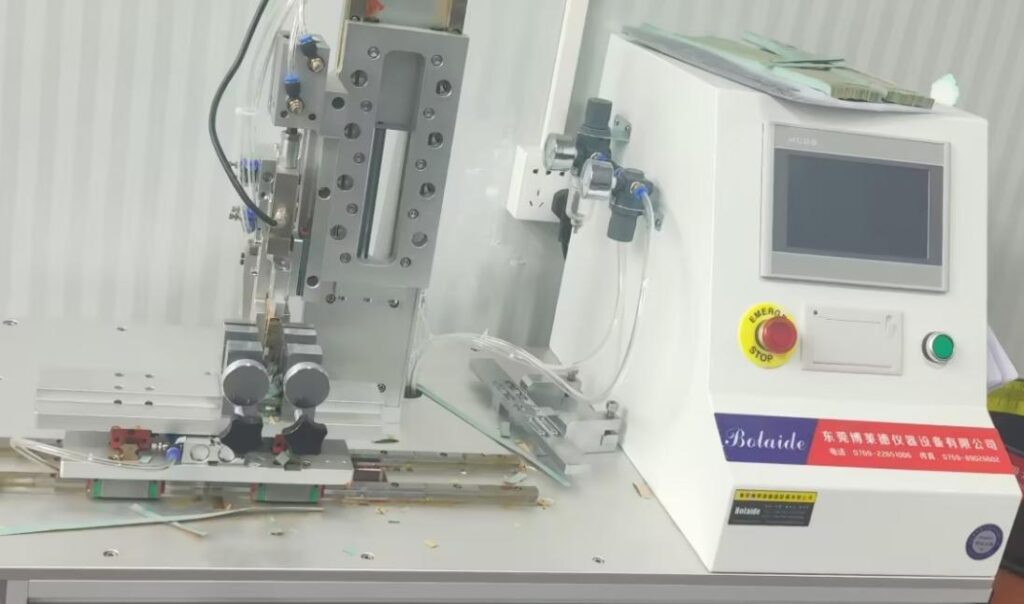
Ask about their QC process at each production stage. Do they inspect blades before finishing? After finishing? Before packaging? What’s their tolerance for edge geometry variation? What happens if a batch doesn’t meet spec — do they rework it, replace it, or ship it anyway? Manufacturers who can answer these questions specifically and confidently have a process. Those who give vague answers about “high standards” probably don’t.
4. What Range of Knife Types and Customization Options Are Available?
Not all private label knife manufacturers work across the full product spectrum. Some specialize in kitchen knives. Others focus on tactical or outdoor. A few handle the full range — folding, fixed blade, EDC, hunting, survival, neck knives, and kitchen — which gives you flexibility as your line expands.
On the customization side, ask what’s actually possible on existing catalog models. Common private label options should include:
- Laser engraving or etching your logo on the blade
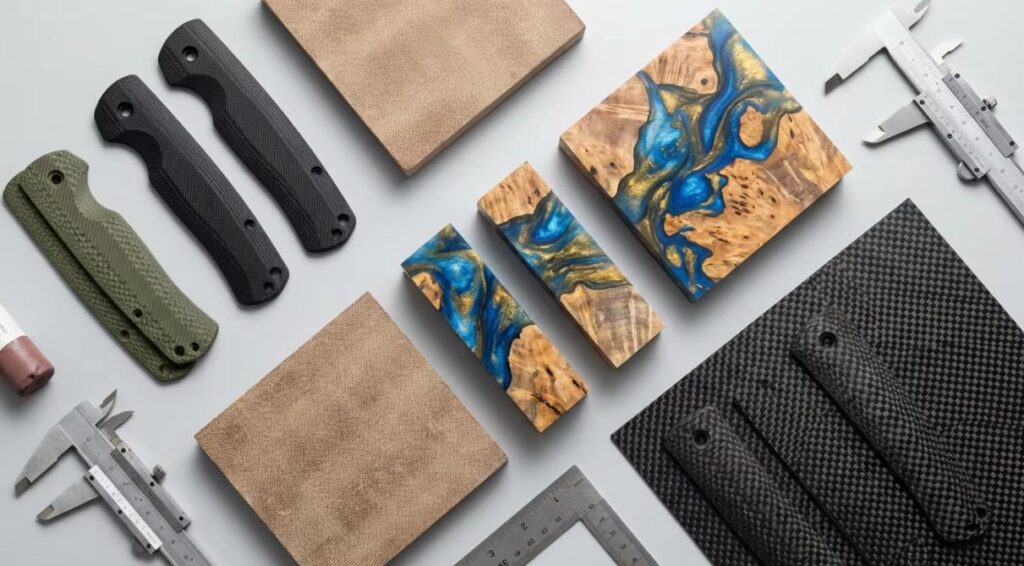
- Custom handle colors or materials (e.g., G10, Micarta, stabilized wood)
- Custom blade finishes (e.g., satin, stonewash, black DLC coating)
- Branded packaging (e.g., rigid boxes, pouches, hang tags, inserts)
- Custom sheath or carry options (e.g., Kydex, leather)
The more of these a manufacturer can handle in-house, the fewer vendors you’re coordinating with and the fewer points of failure in your supply chain.
Start Working with a Professional Now
5. What Are the True Lead Times and Production Visibility?
Lead time is the number most brands focus on, but visibility into production is often more valuable. A 90-day lead time with clear milestone updates is easier to manage than a 60-day lead time where you hear nothing for 45 days and then scramble.
Ask for a typical production timeline broken into stages: design confirmation, material sourcing, production, QC, finishing, packaging, and shipment. Ask how they communicate progress at each stage. Ask what happens if a stage is delayed — do they notify you proactively, or do you have to ask? The answers reveal how they operate under normal conditions. How they handle delays reveals how they’ll operate when something goes wrong.
6. Can They Scale from Prototype to Bulk Production?
Your first private label order probably isn’t your last. If the product sells, you’ll want to reorder — and likely in larger quantities. The manufacturer you choose should be capable of handling that growth without forcing you to restart the qualification process or accept degraded service as your volume increases.
Ask whether the same team handles prototype runs and bulk production. Ask whether pricing scales reasonably with volume. Ask whether they’ve supported brands from early-stage to established scale, and whether they can speak to what that progression looks like. A manufacturer who can only serve you at one stage of growth isn’t a long-term partner.
What Are the Red Flags When Evaluating Knife Manufacturers?
Not every manufacturer who says the right things actually delivers on them. Here are the warning signs that should give you pause:
- No named contact: If you can’t get a specific person’s name and direct communication channel before you sign anything, you’re already in a transactional relationship.
- Vague quality claims: “We use high-quality steel” is not a specification. Ask for exact steel grades (e.g., D2, 14C28N, M390), hardness ratings (HRC), and edge retention data.
- Reluctance to provide samples: Any serious manufacturer will provide samples before a bulk order. Resistance here is a significant red flag.
- No clear MOQ structure: If they can’t give you a clear answer on minimum quantities, they’re either not organized or not experienced with brand clients.
- Inconsistent communication during inquiry: How a manufacturer communicates before you’re a client is a preview of how they’ll communicate during production. Slow responses, vague answers, and lack of follow-through don’t improve after you’ve paid a deposit.
How Kegani Approaches Private Label Manufacturing
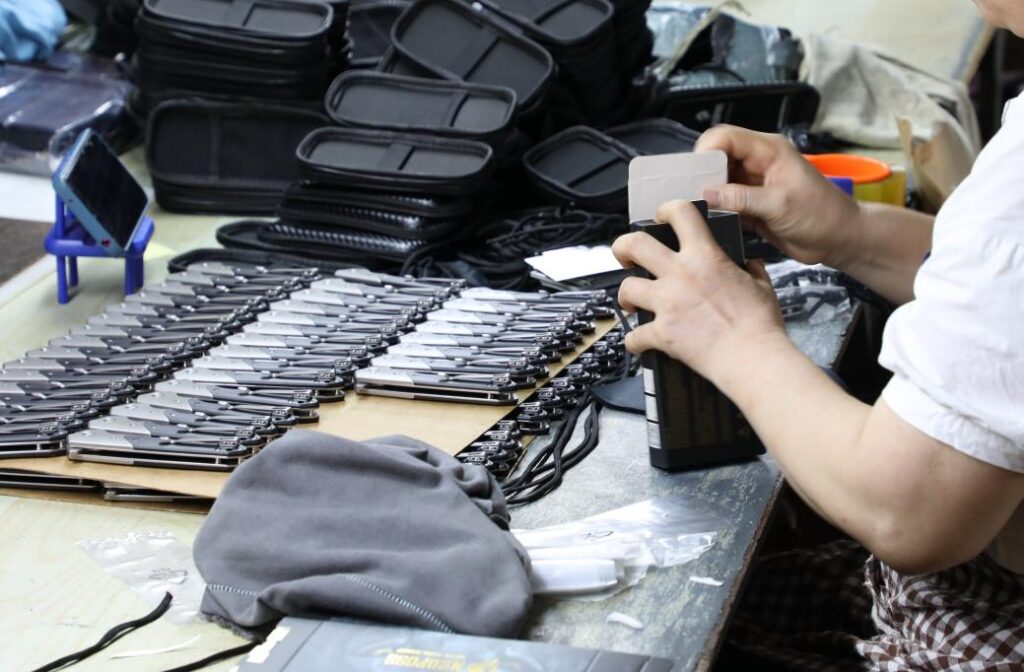
Kegani was built specifically for brands who need more than a factory relationship. The service covers the full range — wholesale bulk orders from an existing catalog, private label customization on proven models, and fully custom OEM production from concept through delivery.
Every client gets a dedicated project manager. That’s not a feature buried in the fine print — it’s the foundation of how Kegani operates. Your PM knows your specs, your timeline, and your standards. They’re your single point of contact from the first conversation to the final shipment.
The knife catalog spans folding, fixed blade, EDC, tactical, hunting, survival, neck, keychain, and kitchen knives. Private label options include logo engraving, blade finish selection, handle customization, and branded packaging. Production scales from small prototype batches through large bulk runs — with the same team, the same standards, and the same accountability throughout.
If you’re evaluating private label knife manufacturers and want to understand what a partnership with Kegani looks like for your specific product and volume, the next step is a conversation.
Before You Request a Quote: A Quick Checklist
Before you reach out to any private label knife manufacturer — including Kegani — it helps to have a few things ready. The clearer your brief, the faster you’ll get an accurate quote and a realistic timeline.
- Product category: What type of knife? (kitchen, EDC, tactical, hunting, etc.)
- Design direction: Are you working from an existing catalog model, or do you have a custom design in mind?
- Branding requirements: Logo placement, blade finish, handle color, packaging specs
- Target quantity: Initial order volume and likely reorder cadence
- Timeline: When do you need finished product in hand?
- Market and channel: Where will the product be sold? (DTC, Amazon, wholesale, retail)
You don’t need all of these locked down before making contact. But the more specific you can be, the more useful the initial conversation will be.
The Right Partner Changes What’s Possible
Sourcing is often treated as a logistics problem — find the cheapest option that meets minimum quality standards, place the order, move on. But for brands building something with staying power, the manufacturing relationship is a strategic asset.
The right private label knife manufacturer doesn’t just produce your product. They help you get it right the first time, scale it when it sells, and iterate when the market gives you feedback. They save you the cost of bad batches, missed deadlines, and the slow erosion of brand trust that comes from inconsistent product quality.
That’s the standard worth holding out for.
Ready to bring your knife line to life? Get your free quote at keganico.com.
Frequently Asked Questions (FAQs)
What is the typical Minimum Order Quantity (MOQ) for private label knives?
MOQs vary by manufacturer. Standard private label runs often require 500–1,000+ units per SKU. However, brand-focused manufacturers like Kegani accommodate prototype batches of 50–100 units, allowing brands to validate designs before committing to bulk inventory.
How long does it take to manufacture a private label knife?
Typical lead times for private label knife production range from 60 to 90 days, depending on the complexity of customization and material availability. This includes stages like design confirmation, material sourcing, production, QC, and packaging.
What is the difference between private label and OEM knife manufacturing?
Private label involves applying your branding, finishes, and packaging to an existing, pre-engineered knife model. OEM (Original Equipment Manufacturing) involves creating a completely new knife design from scratch, requiring custom tooling, new geometry, and longer lead times.
Who are private label manufacturers?
Private label manufacturers are production facilities that make goods sold under a buyer’s brand name rather than their own. In the knife industry, they typically maintain a catalog of proven designs that brands can customize with logos, finishes, and packaging. They differ from standard contract factories in that they actively support the branding process — not just the production process. Specialized knife private label manufacturers like Kegani go further by assigning dedicated project managers and supporting the full journey from prototype to bulk production.
How do I find a private label knife manufacturer?
Move beyond generic sourcing platforms. Evaluate whether a manufacturer has a structured private label program (not just “we can put your logo on it”), assigns a dedicated contact, and can provide verifiable samples and references. Industry events like Blade Show, manufacturer catalogs, and direct outreach are more reliable starting points than broad B2B marketplaces.
How much does it cost to have a custom knife made?
Costs vary significantly based on the production model. A private label run on an existing catalog design — covering logo engraving, custom handle color, and branded packaging — typically ranges from $8 to $40 per unit depending on materials, finish complexity, and order volume. Fully custom OEM production, which involves new tooling and design engineering, carries additional upfront tooling costs that can range from $500 to $5,000 or more before per-unit pricing applies. Requesting itemized quotes from manufacturers is the only way to get accurate numbers for a specific design.
What are the risks of private labeling?
The primary risks in knife private labeling fall into three categories. First, quality inconsistency between samples and bulk production — a risk mitigated by working with manufacturers who have documented, stage-by-stage QC processes. Second, supply chain opacity, where brands have no visibility into production status until a problem surfaces — addressed by requiring milestone-based production updates. Third, brand liability, where knives bearing your logo that fail in the field create reputational and legal exposure — which is why demanding specific steel grades, HRC ratings, and edge retention data before committing to production is non-negotiable.
What are the three tiers of private labels?
In retail and sourcing, private label products are commonly segmented into three tiers.
Tier 1 (economy) covers basic, price-competitive products with minimal customization — equivalent to white-label goods with a logo applied.
Tier 2 (standard) involves moderate customization, branded packaging, and differentiated finishes — the most common entry point for emerging knife brands.
Tier 3 (premium) represents near-OEM customization, where the brand controls materials, geometry, and every design detail, often with exclusive manufacturing agreements. Most knife brands begin at Tier 2 and move toward Tier 3 as volume and brand equity grow.
How profitable is knife making as a private label business?
Profitability in private label knife businesses depends heavily on channel, positioning, and volume.
Brands selling through DTC (direct-to-consumer) e-commerce or specialty retail at premium price points typically achieve gross margins of 50–70% on private label products, given that per-unit manufacturing costs are well-controlled at scale.
Brands competing on price through Amazon or wholesale channels face margin compression from platform fees and distributor markups.
The most profitable private label knife businesses tend to focus on a defensible niche — culinary, tactical, outdoor — rather than competing on price in commodity categories.
Do I need a permit to sell knives?
Knife sales regulations vary by jurisdiction and knife type.
In the United States, federal law does not require a general business license to sell knives, but certain blade types — such as switchblades, ballistic knives, and blades over specific lengths — are restricted in interstate commerce and in many states.
Sellers on platforms like Amazon must comply with platform-specific knife policies. Internationally, import and sale restrictions vary significantly by country, particularly for fixed-blade knives and assisted-opening folders. Consulting a trade compliance attorney or reviewing the American Knife & Tool Institute (AKTI) guidelines is recommended before launching a knife brand.