
The pocket clip is the part of a folding knife that most buyers notice after the blade and handle. It decides how the knife sits, how fast you can draw it, and whether it shows under a shirt.
For sellers and OEM buyers, the clip also affects returns, reviews, and whether a model feels premium or cheap.
This guide breaks down the main pocket knife clip types, carry positions, materials, and how to pick the right setup for your product line.
Key Takeaways
- No single clip is best. The right choice depends on knife size, user habits, and pocket type.
- Tip-up carry is the most popular because it lets you draw and open the knife in one motion.
- Deep carry clips hide the knife best but slow down access and can feel awkward on large folders.
- Stainless steel and titanium are the standard clip materials; titanium saves weight at a higher cost.
- Aftermarket clips are a real market. Many users spend $20–$30 to replace a stock clip.
What Is a Pocket Knife Clip?
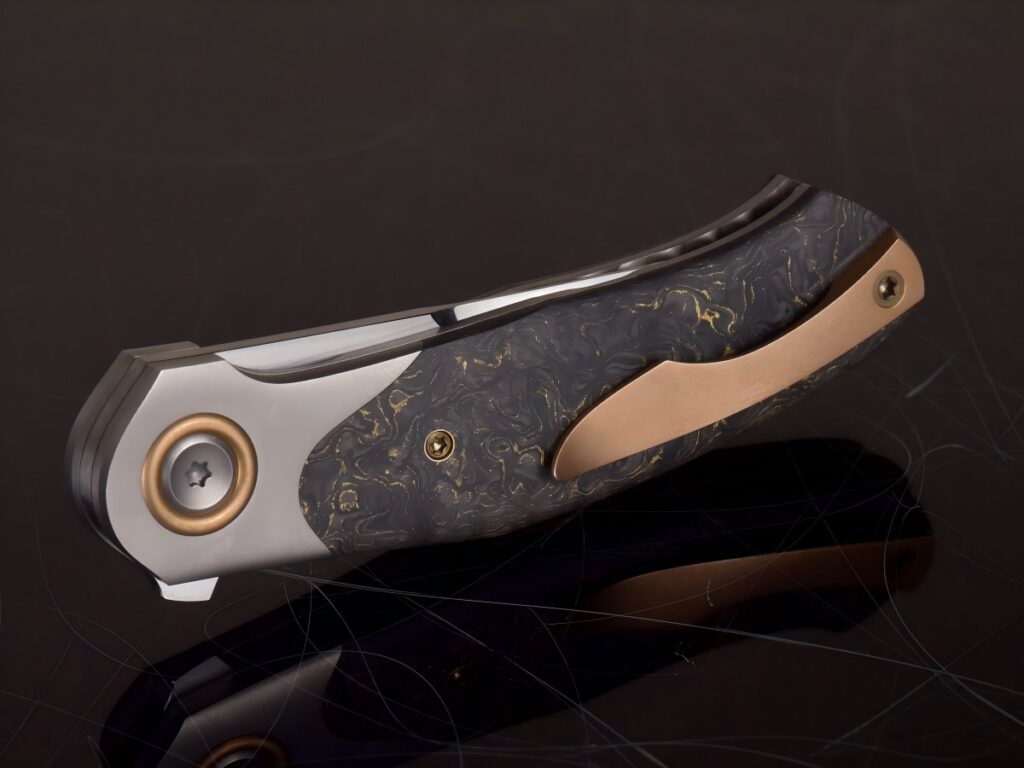
A pocket clip is a spring-tensioned metal arm, usually made of stainless steel or titanium, that attaches to the handle of a folding knife. It hooks over the edge of a pocket rim to hold the knife upright and accessible.
The clip does three jobs. It keeps the knife from sinking to the bottom of the pocket. It holds the knife in a fixed position so you can find it by feel. It also frees pocket space for keys, wallets, and phones.
A Short History
Spyderco introduced the first factory-installed pocket clip in 1981 on the Clip-it Worker. Before that, most folders were carried loose in the pocket, in a sheath, or on a belt.
The clip turned the folding knife into a true everyday-carry tool. Today, almost every EDC knife ships with some form of clip.
Common Pocket Knife Clip Types
Manufacturers use many names for clips, but most fall into eight groups. The table below gives a quick overview. For a broader look at how these parts fit into a full folder, see our guide to pocket knife parts and anatomy.
| Clip Type | Best For | Key Trait | Common Examples |
|---|---|---|---|
| Standard / Bent | General EDC, work knives | Simple, strong, easy to access | Benchmade Griptilian, CRKT models |
| Spoon / Hourglass | Heavy folders, secure retention | Curved shape, high spring tension | Spyderco Paramilitary 2, Native 5 |
| Wire | Lightweight carry, discreet look | Minimal weight, low profile | Spyderco Dragonfly 2, GiantMouse |
| Deep Carry | Concealed carry, formal settings | Sits flush with pocket top | Protech Malibu, aftermarket Lynch clips |
| Short Deep Carry | Smaller knives, less weight | Shorter version of deep carry | Lynch Northwest short clips |
| Machined / Milled | Premium knives, custom look | Cut from solid billet, decorative | Chris Reeve Sebenza, custom makers |
| Carabiner | Outdoor, lanyard attachment | Locks to belt loops, packs, PFDs | Some Spyderco water knives, rescue tools |
Standard / Bent Clips
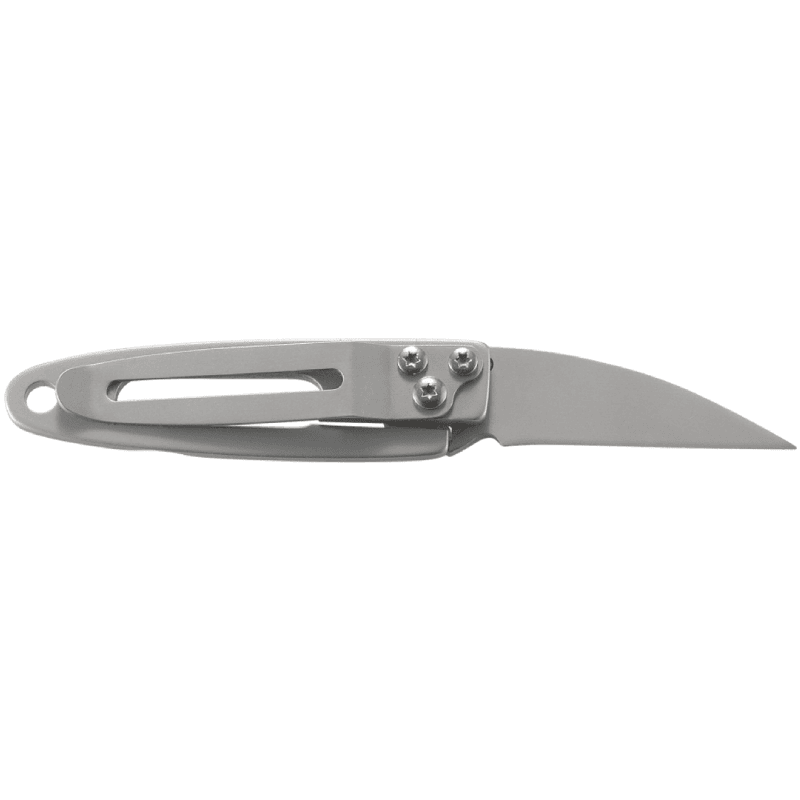
OEM Frame Lock Knife with Stainless Steel Handle and Standard Pocket Clip
The standard bent clip is a strip of stainless steel or titanium bent into a spring shape and screwed to the handle. It is the most common design because it is cheap to make and reliable.
This clip usually carries the knife with about one inch of handle showing. That exposed handle makes the knife easy to grab. On the downside, the knife is visible to others and may catch on door frames or seatbelts.
Many manufacturers countersink the screw so the clip sits flat. A loose or raised clip will snag fabric and annoy users.
Spoon / Hourglass Clips
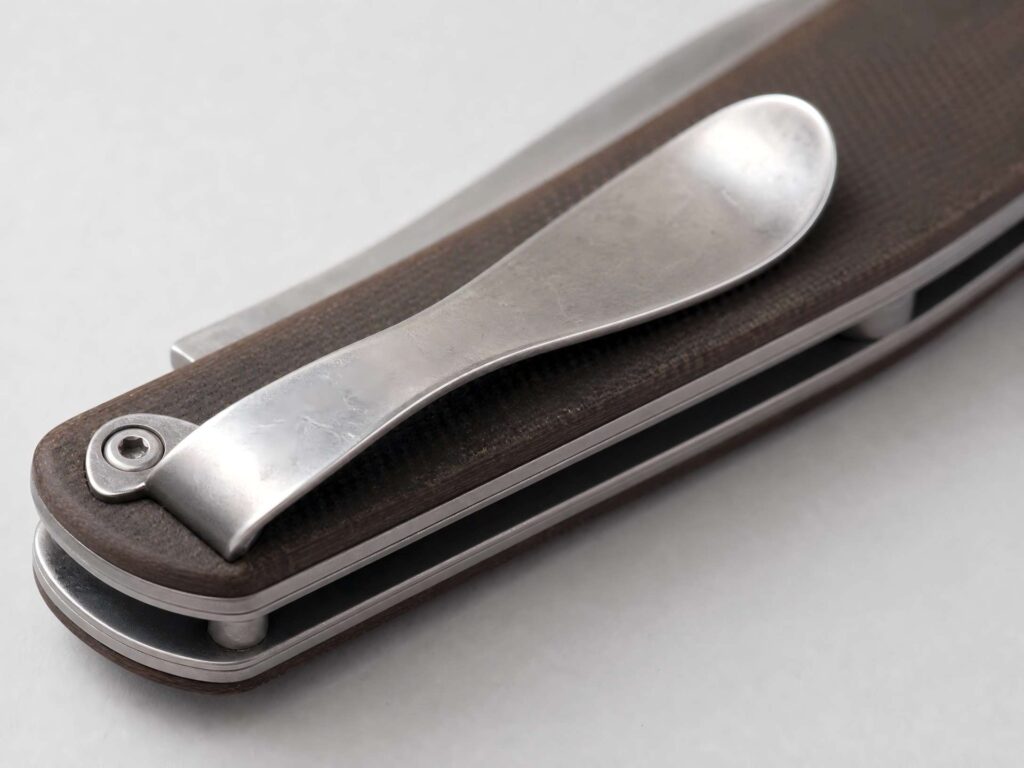
Spoon clips have a curved, scoop-like profile. Hourglass clips narrow in the middle like an hourglass. Both designs add spring tension and grip the pocket firmly.
These clips are popular on heavier folders. A solid spoon clip can hold a 5-ounce work knife in place during movement. Users who wear work gloves often prefer this style because the knife sits high enough to grab quickly.
The trade-off is comfort. A stiff spoon clip can dig into the palm during hard use. It also puts more wear on pocket fabric than a wire clip.
Wire Clips
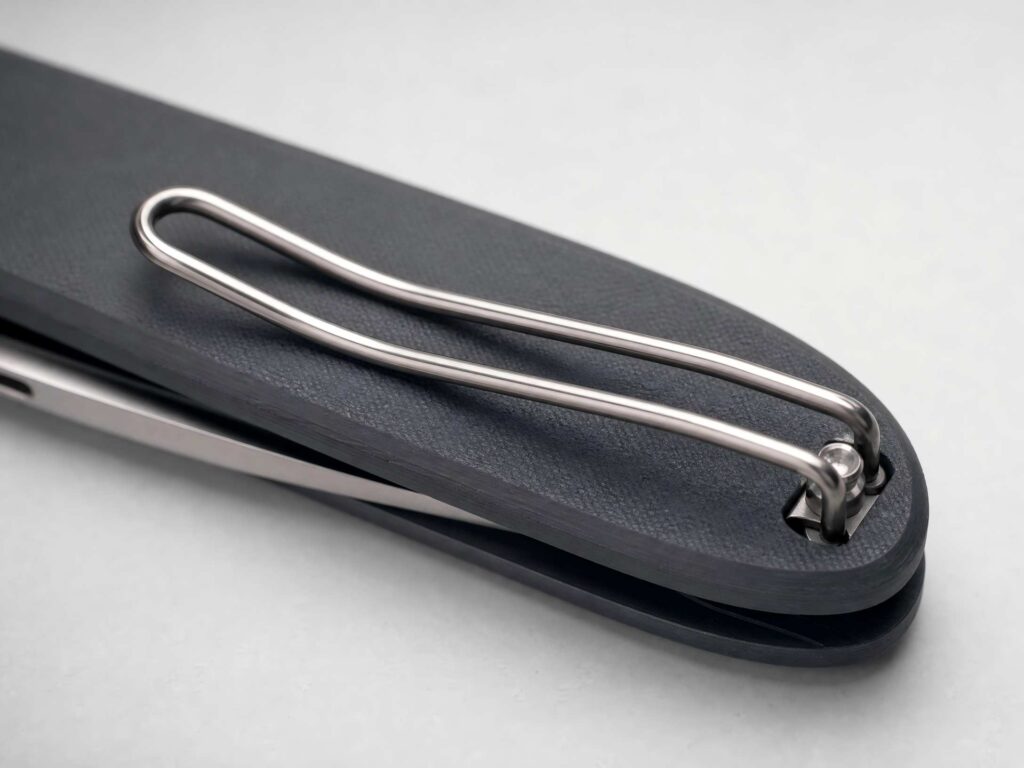
Wire clips are made from a single piece of bent wire. They are the lightest option and add almost no bulk to the handle. Their simple look also draws less attention than a solid metal clip.
Spyderco uses wire clips on many lightweight models like the Dragonfly 2 and Manix 2 Lightweight. GiantMouse and several other brands also favor them.
Spyderco also offers a deep pocket wire clip on some models, which sits lower than a standard wire clip while keeping the same minimal weight.
The main complaint is retention. A wire clip can lose its spring tension over time, especially if it catches on a car seat or belt loop. Some users also report that wire clips rotate or shift on smooth handles like polished G-10 or carbon fiber.
Deep Carry Clips
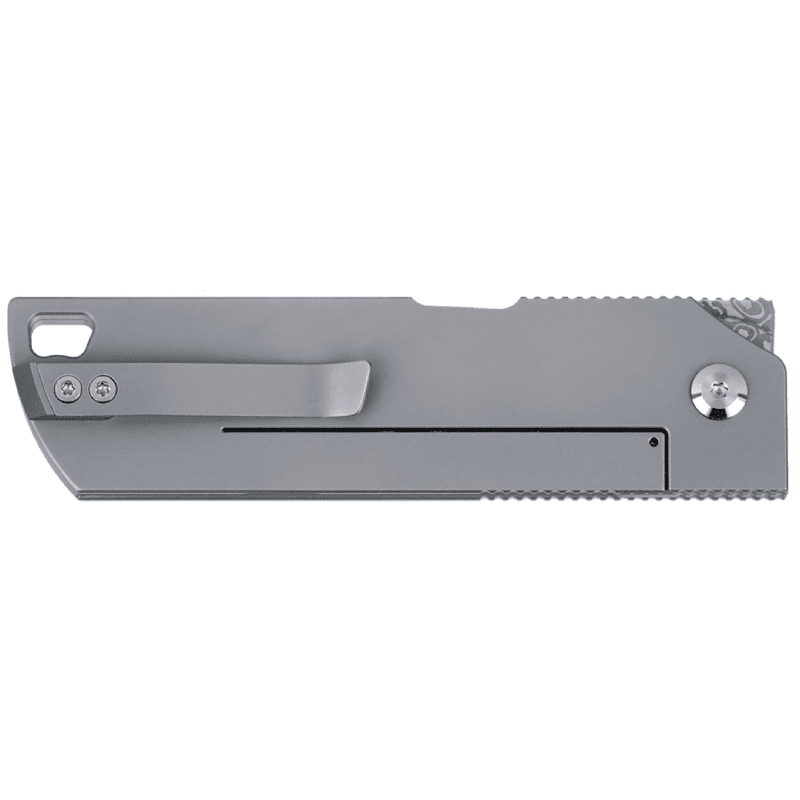
OEM Frame Lock Knife with Titanium Handle and Deep Carry Clip
Deep carry clips mount close to the end of the handle. They let the knife drop almost completely into the pocket, with only a small corner showing. This is the preferred style for users in offices, cities, or any setting where a visible knife clip may draw attention.
Factory deep carry clips are built into the knife design. Aftermarket deep carry clips — like those from Lynch Northwest or MXG Gear — are often shorter and sit lower than factory versions, but buyers must match the screw hole pattern to their knife model.
The downside is speed. Because the knife sits deeper, you have to reach farther into the pocket. On large folders, deep carry can make it hard to get a full grip before drawing.
As many users find, deep pocket carry works best on smaller knives where your hand can still wrap the handle.
Short Deep Carry Clips
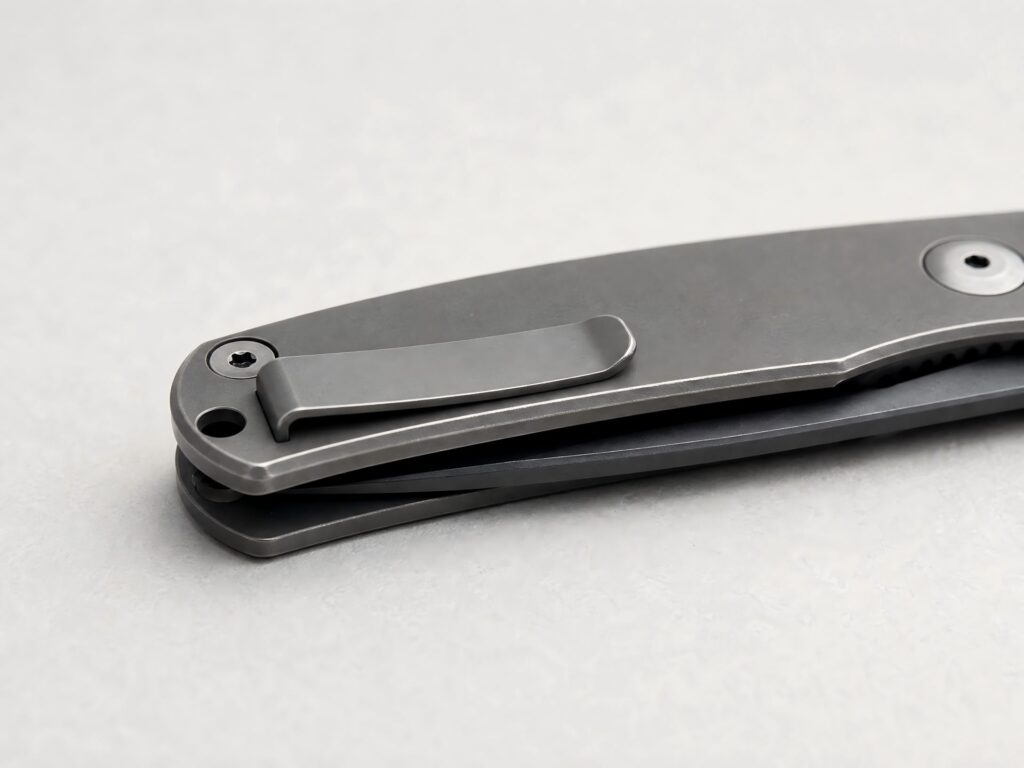
Short deep carry clips do the same job as full deep carry clips but with less material. They save weight and reduce the chance of the clip snagging on furniture.
These work well on compact folders and lightweight EDC knives. They are less common on heavy models because the shorter clip cannot generate as much retention force.
Machined / Milled Clips
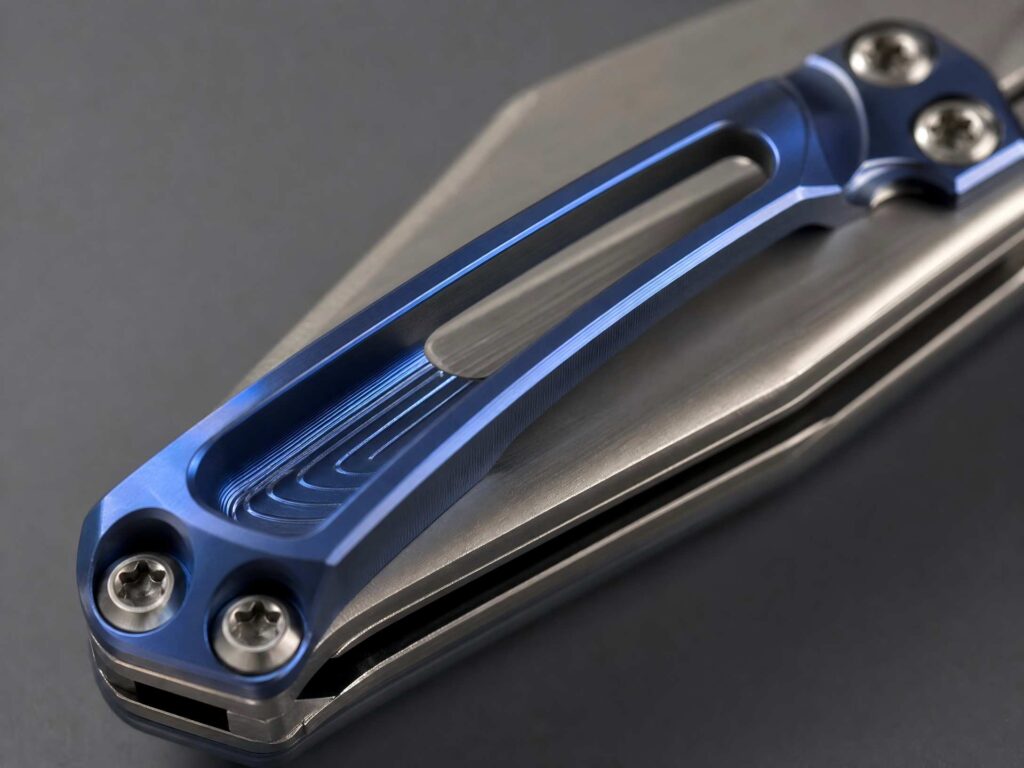
Machined clips are cut from a solid billet of titanium or steel rather than bent from sheet metal. They often have decorative milling, fluting, or surface patterns.
You will see these on premium production knives and custom pieces. Chris Reeve Knives uses machined clips on the Sebenza. Aftermarket makers like Ripps Garage Tech sell milled titanium clips for Spyderco models.
Machined clips look high-end and resist bending better than stamped clips. They also cost more to produce, which raises the retail price.
Carabiner Clips
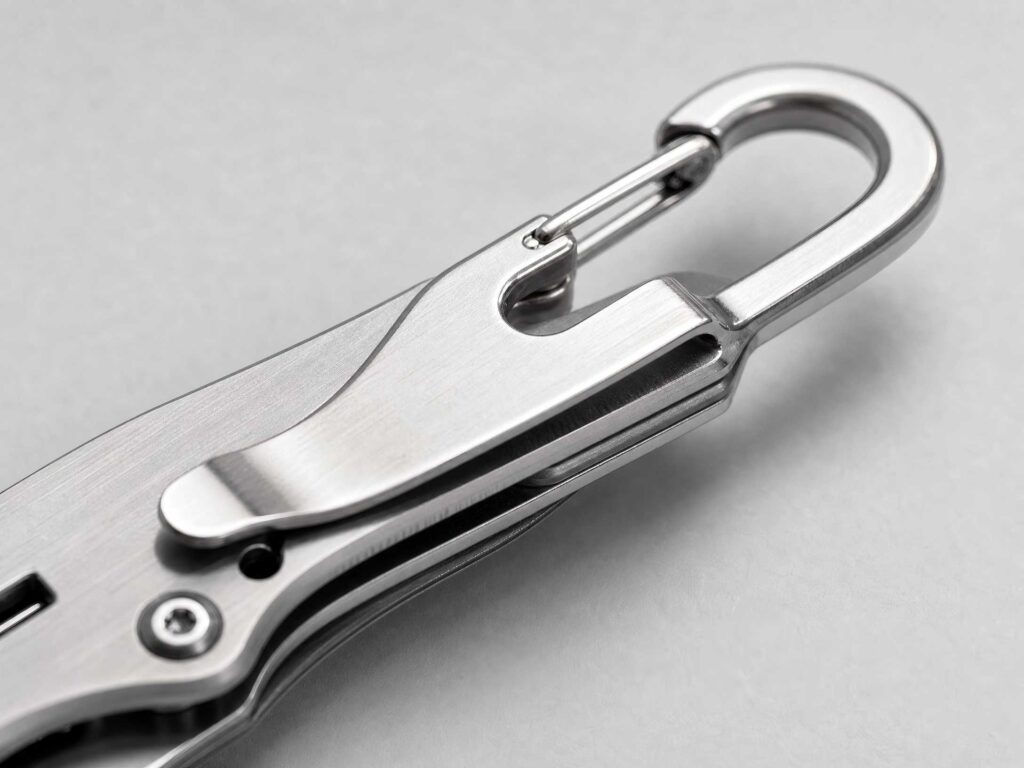
Carabiner clips use a spring-loaded gate instead of spring tension against fabric. They attach to belt loops, backpack straps, life vests, or harnesses rather than pockets.
These are common on rescue knives, water knives, and tools that need to stay connected to gear. They are overkill for office EDC but valuable for outdoor and first-responder use.
Carry Positions Explained
Clip type is only half the story. Where the clip sits and which way the blade points are just as important.
Most clips attach through one or more screw holes on the handle. Some are fixed — they mount in a single position. Others are reversible — they can swap from left to right.
Premium folders often use multi-position clips with four mounting holes that let you change both side and tip direction:
- Left-side tip-up
- Left-side tip-down
- Right-side tip-up
- Right-side tip-down
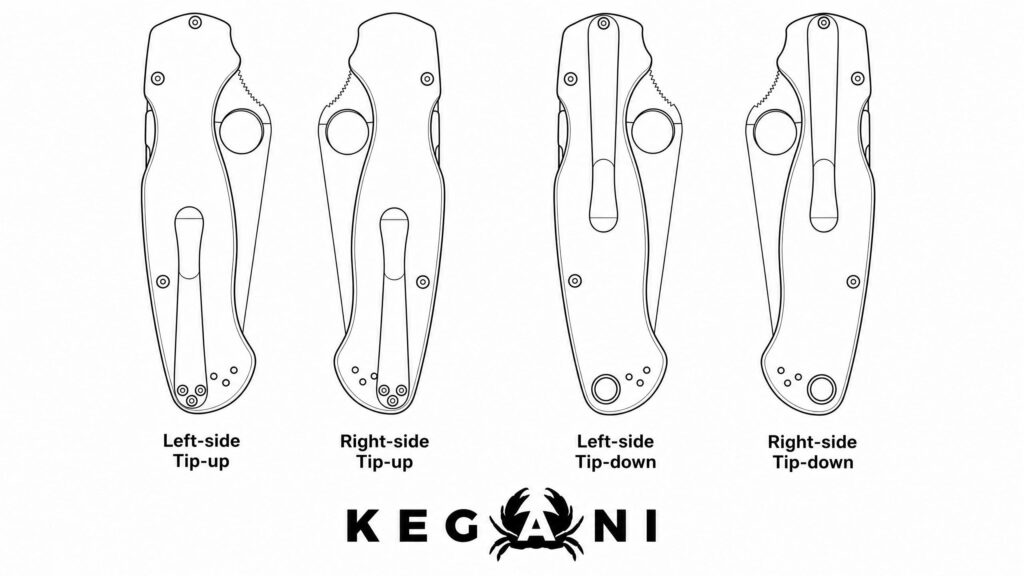
Budget knives often ship with only one or two mounting positions, which limits flexibility. Spyderco offers four-position clips on the Delica, Endura, and Para Military 2.
If you sell knives globally, four-position support is worth the minimal extra machining cost — left-handed buyers will return knives that cannot be carried comfortably.
Start Working with a Professional Now
Tip-Up vs Tip-Down
In tip-up carry, the closed blade tip points upward in the pocket. In tip-down carry, the tip points toward the ground.
Tip-up is the modern standard. It lets you grip the knife, pull it out, and open it without changing your grip. When the knife rests at the back of the pocket, the spine presses against the pocket seam and helps keep the blade closed. A strong knife lock adds an extra safety margin.
Tip-down works better on some large folders. Spyderco notes that a large knife carried tip-up forces your hand to grip near the butt, far from the thumb hole or flipper. Tip-down puts your hand closer to the pivot, though you still need to adjust your grip after the draw.
Some users refuse tip-up after safety incidents. One Spyderco forum member switched to tip-down after a tip-up Yojimbo 2 partially opened in his pocket. A reliable knife lock reduces this risk, but the concern is real.
Left-Side vs Right-Side
Most people carry a pocket knife on their dominant side. Right-handed users usually clip the knife to the right front pocket. Left-handed users need a reversible clip.
If you sell knives globally, reversible clips are not optional. Left-handed buyers will return knives that cannot be carried comfortably.
Ride Height
Ride height describes how much of the knife remains above the pocket line. Standard clips leave about one inch exposed. Deep carry clips hide almost everything.
High ride height means faster access. Low ride height means better concealment. There is no universal answer, so many makers offer both options or partner with aftermarket clip suppliers.
Clip Position and Hand Ergonomics
Where the clip mounts on the handle also affects comfort. A clip mounted near the pivot (the blade end) leaves more handle free for grip but may create a hot spot under the palm.
A clip mounted near the butt (the back end) keeps the handle clear but can make the knife feel butt-heavy in the pocket.
For hard-use folders, many designers place the clip near the butt to keep the grip area unobstructed. For gentleman’s knives, a mid-handle clip often looks cleaner.
Pocket Clip Materials
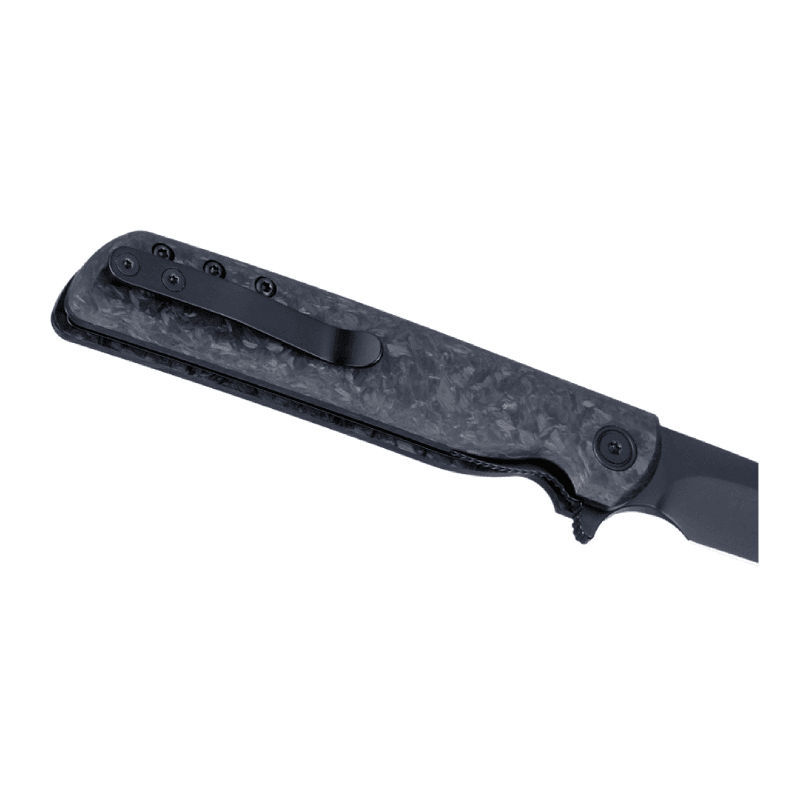
OEM Liner Lock Knife with Carbon Fiber Handle and Pocket Clip
The material affects weight, strength, corrosion resistance, and cost. Here is how the common options compare.
| Material | Weight | Strength | Corrosion Resistance | Cost | Best Use |
|---|---|---|---|---|---|
| Stainless Steel | Medium | High | Excellent | Low | Standard production folders |
| Titanium | Low | High | Excellent | High | Premium and lightweight EDC |
| Aluminum | Very Low | Moderate | Good | Low | Budget lightweight knives (rare) |
| Brass | Medium | Moderate | Good | Medium | Custom or vintage-style knives |
Stainless Steel
Stainless steel is the default. It is strong, corrosion-resistant, and cheap. Most standard bent clips and spoon clips use 420, 430, or similar grades. The downside is weight. A thick steel clip can make a light knife feel blade-heavy.
Titanium
Titanium offers the best strength-to-weight ratio. A titanium clip can be half the weight of a steel clip while still resisting bending.
It is also less likely to cause galvanic corrosion when paired with an aluminum or titanium handle.
The main drawback is cost. Machining titanium is slower than stamping steel. For premium lines, the added cost is acceptable. For budget lines, steel makes more sense.
Aluminum
Aluminum clips are rare but appear on some ultralight budget knives. They are easy to anodize in bright colors. The problem is durability. Aluminum bends and stays bent, so it is a poor choice for hard-use folders.
Brass
Brass clips are uncommon in production knives but popular in custom and vintage-style builds. They develop a patina over time and add visual warmth.
The trade-off is weight and softness — brass clips bend more easily than steel or titanium.
Clip vs No Clip: Pros and Cons
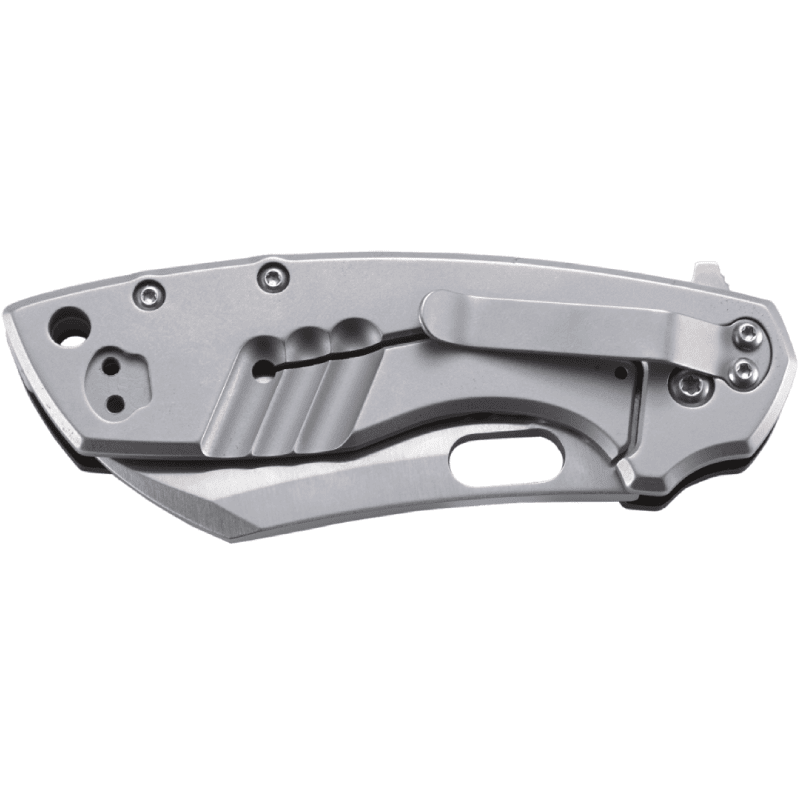
OEM Frame Lock Knife with Stainless Steel / G10 + Stainless Steel Handle and Pocket Clip
Not every user wants a clip. Some traditional folders and gentleman’s knives ship without one. The American Knife and Tool Institute covers the trade-offs from both industry and retail angles.
Why Users Keep the Clip
- Organization. The knife stays at the top of the pocket, separate from keys and change.
- Speed. A clipped knife is always in the same place.
- Security. A good clip reduces the chance of the knife falling out.
- Left-hand access. Reversible clips make the knife usable for lefties.
Why Users Remove the Clip
- Comfort. A clip can create a hot spot in the palm during heavy cutting.
- Pocket wear. Stiff clips fray pocket seams over time.
- Aesthetics. Some users prefer the clean look of a clipless handle.
- Snagging. A raised clip can catch on car doors, seatbelts, and furniture.
- Legal visibility. In some areas, a visible clip may attract attention.
For sellers, the lesson is clear. Include a clip, but make it removable. Give users the option to customize or replace it.
How to Choose the Right Pocket Clip
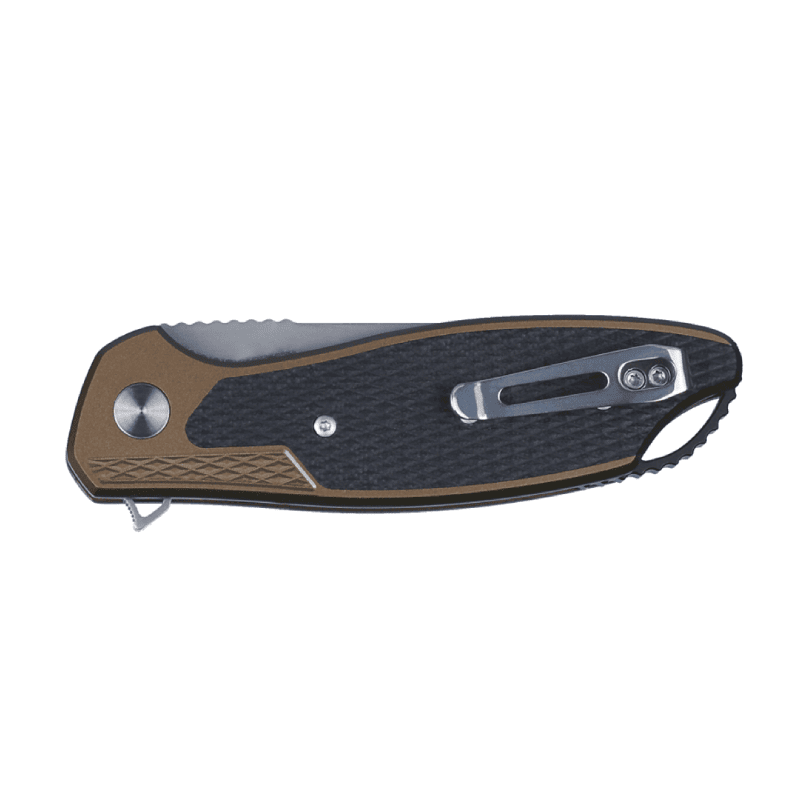
OEM Liner Lock Knife Aluminum with G10 Inlay Handle and Pocket Clip
For buyers, the decision comes down to use case. For sellers and OEM customers, the decision should match the target market.
Match the Clip to the Use Case
| Use Case | Recommended Clip | Why |
|---|---|---|
| Office / dress pants | Deep carry wire | Discreet, lightweight, low snag |
| Construction / trade work | Spoon or standard | Strong retention, fast access with gloves |
| Outdoor / hiking | Standard or carabiner | Secure, works with layered clothing |
| Tactical / first responder | Standard or carabiner | Reliable retention, easy reach |
| Lightweight EDC | Wire | Saves weight, comfortable in shorts |
| Premium gift knives | Machined titanium | Looks high-end, matches titanium handles |
Match the Clip to the Knife Size
Small knives like the Spyderco Dragonfly pair well with deep carry wire clips. The knife disappears into the pocket but is still easy to grip. Blade length and handle shape also matter; see our guide to knife blade shapes.
Large knives like the Spyderco Military or Benchmade Contego carry better with standard or spoon clips. Deep carry on a large folder forces the user to fish for a grip.
Match the Clip to the Pocket Type
Jeans can handle stiff clips. Dress pants and shorts need smoother, lower-profile clips that will not tear fabric. Athletic shorts usually need deep carry clips or a lightweight wire clip to prevent the knife from flopping.
Start Working with a Professional Now
Maintenance and Replacement
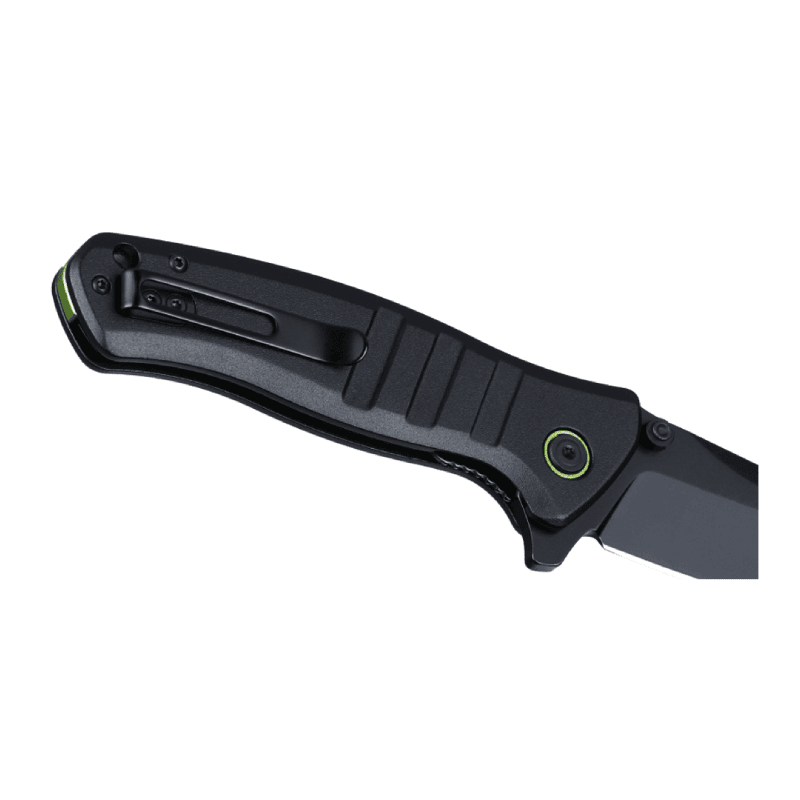
OEM Liner Lock Knife with Aluminum Handle and Pocket Clip
Pocket clips take abuse. They get bent, scratched, and loosened over time. A little maintenance goes a long way.
Preventing Bent Clips
- Avoid clipping the knife to thick belts, backpack straps, or car visors.
- Do not sit on the knife in a back pocket.
- Check screw tightness every few months. A loose clip bends more easily.
- Clean lint buildup between the clip and handle monthly. A toothpick or compressed air removes pocket debris that loosens the fit.
Checking Clip Tension
A good clip should hold the knife firmly without tearing fabric. Test it by turning the knife upside down with the clip engaged.
If the knife drops immediately, the tension is too loose. If you struggle to slide the clip over the pocket edge, the tension is too tight.
Most clips can be adjusted by gently bending the arm. Bend a little, test, and repeat. Do not over-bend.
Fixing a Bent Clip
If the clip bends slightly, remove it from the knife. Clamp it in padded pliers and bend it back gently. Do not over-bend.
Soft stainless steel clips can usually be adjusted by hand. Titanium and hardened steel clips once bent usually need replacement — they are prone to snapping if forced back into shape.
Aftermarket Upgrades
The replacement clip market is large. Popular makers include:
- Lynch Northwest — deep carry titanium clips for Spyderco, Benchmade, and others.
- MXG Gear — custom titanium deep carry clips.
- Ripps Garage Tech — machined 3D clips for Spyderco.
- DNA Lasering — engraved titanium wire clip replacements.
Not all aftermarket clips fit all knives. Buyers must match the screw hole pattern (usually two holes) and the handle contour. A clip designed for a Spyderco Paramilitary 2 will not fit a Benchmade Bugout without modification.
Many users budget $20–$30 for a clip upgrade before they even buy the knife. For OEM buyers, this means the stock clip still matters.
A poor stock clip can push customers toward aftermarket parts and hurt brand perception.
OEM & Manufacturing Considerations
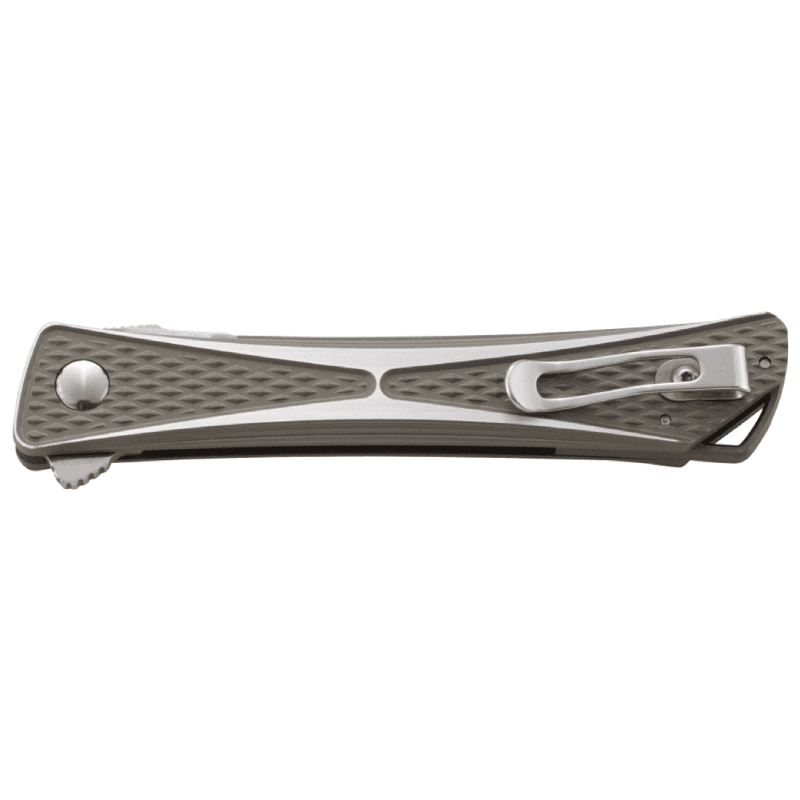
OEM Liner Lock Knife with Aluminum Handle and Pocket Clip
At Keganico, we see three OEM mistakes.
First, using a generic clip that does not match the knife’s weight or price point. A heavy spoon clip on a 2-ounce knife feels unbalanced. A flimsy wire clip on a 6-ounce tactical folder will not hold.
Second, ignoring left-handed users. A non-reversible clip cuts your addressable market by roughly 10%. Drilling four-position clip holes adds minimal cost but significantly broadens appeal.
Third, overlooking clip finish consistency. A satin clip on a bead-blasted handle looks mismatched. A black clip on a silver handle draws attention. Clip finish should match or complement the handle treatment.
Keganico Helps You Build Knives with the Right Clip
A pocket clip is one of the last details buyers touch before they decide if a knife feels right. It also sends a signal about quality.
A loose, misaligned, or cheap clip can undo the work you put into the blade steel, handle finish, and action.
At Keganico, clip design is part of our knife development process, not an afterthought. We help brands choose or custom-make clips that match the knife’s size, target user, and price point.
Our manufacturing partners produce folding knives at scale. We offer wire clips, deep-carry titanium clips, milled clips, and four-position reversible setups.
Whether you are launching a new EDC line or upgrading an existing folder, we can handle material sourcing, CNC machining, heat treatment, surface finishing, and final assembly under one roof.
Contact us for a free quote on OEM knife manufacturing, private label knives, or wholesale pocket knives.
Frequently Asked Questions
What is the clip on a knife called?
It is usually called a pocket clip or belt clip. Some makers use brand-specific names, but “pocket clip” is the standard term in the knife industry.
Do pocket knives need a clip?
No. A clip is optional. Many traditional folders and gentleman’s knives do not have one. However, most modern EDC knives include a clip because it makes carry faster and more organized.
Where should you clip a pocket knife?
Most right-handed users clip the knife to the right front pocket, blade tip up, with the clip on the handle’s right side. Left-handed users reverse this.
Some users prefer the back pocket or a shirt pocket for smaller knives. The key is consistency — always clip it in the same place so you can find it by feel.
What is a pocket knife holder called?
A holder without a clip is usually called a sheath, slip, or pocket slip. A sheath is often made of leather or Kydex and covers the blade. A slip is a soft pouch that keeps the knife from scratching other items. Leather and Kydex each have different trade-offs; see our Kydex vs leather sheath comparison.
What is the difference between a pocket clip and a clip point?
A pocket clip attaches the knife to your pocket. A clip point is a blade shape with a concave or straight cut on the spine near the tip. They share the word “clip” but are unrelated parts of the knife.
Can I replace or upgrade my pocket clip?
Yes, if the clip attaches with screws. Most stock clips use T6 or T8 Torx screws. Aftermarket makers sell clips in titanium, steel, and various finishes. Make sure the replacement matches your knife’s screw pattern.
Is a knife with a pocket clip considered concealed?
That depends on local law, not on the clip itself. A visible clip may mean the knife is partly exposed. Always check your state and city knife laws before carrying.
Does a worn pocket clip affect knife resale value?
Yes, a scratched, bent, or discolored clip can lower resale value on the secondary market. Collectors and enthusiasts often judge a knife by its clip condition. A worn clip is easy to replace, but buyers may use it as leverage to negotiate a lower price.
Keeping the original clip in good condition preserves value better than swapping it for an aftermarket part.