
A double-bladed knife is a knife with two separate blades on one handle — such as a traditional Trapper pocket knife or a mezzaluna kitchen tool.
The term is often confused with a double-edged blade (a single blade sharpened on both sides, like a dagger), which faces heavy legal restrictions in many U.S. states.
This guide focuses on the two-bladed design itself: its types, uses, and what B2B buyers need to know when sourcing from OEM manufacturers.
We also briefly clarify the difference from double-edged blades for better product understanding and compliance.
What Is a Double-Bladed Knife?
A double-bladed knife is a knife with two separate blades on one handle. The term covers two distinct designs:
- Folding multi-blade: two or more blades fold into one handle (Trapper, Congress, Stockman patterns)
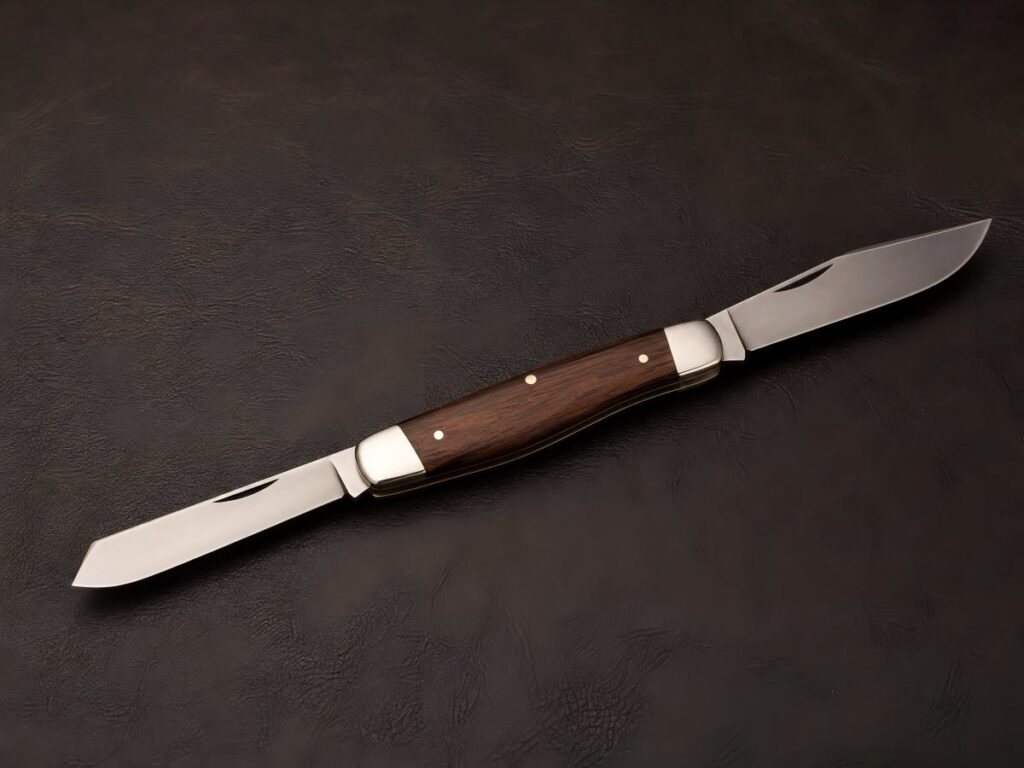
- Fixed dual-head: blades at opposite ends of one handle (mezzaluna, butcher knives)
This is not the same as a double-edged blade. A double-edged blade is a single blade sharpened on both sides — like a dagger or dirk. That design is optimized for combat and heavily regulated in many states.
A double-bladed knife, by contrast, is a tool-oriented design and generally faces no special legal restrictions.
We cover double-edged blades later in the FAQ for comparison and compliance context. Our primary focus is the two-bladed design.
Common Types of Double-Bladed Knives
Double Blade Folding Knife
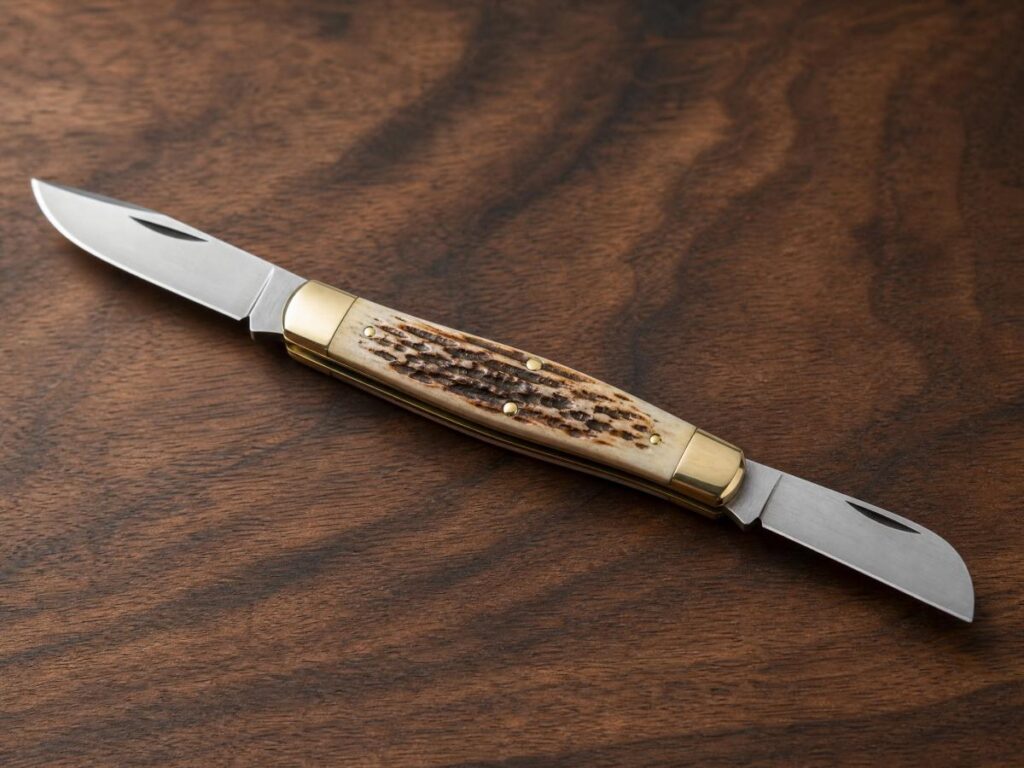
A folding knife with two separate blades, typically as a multi-blade pattern.
Traditional patterns:
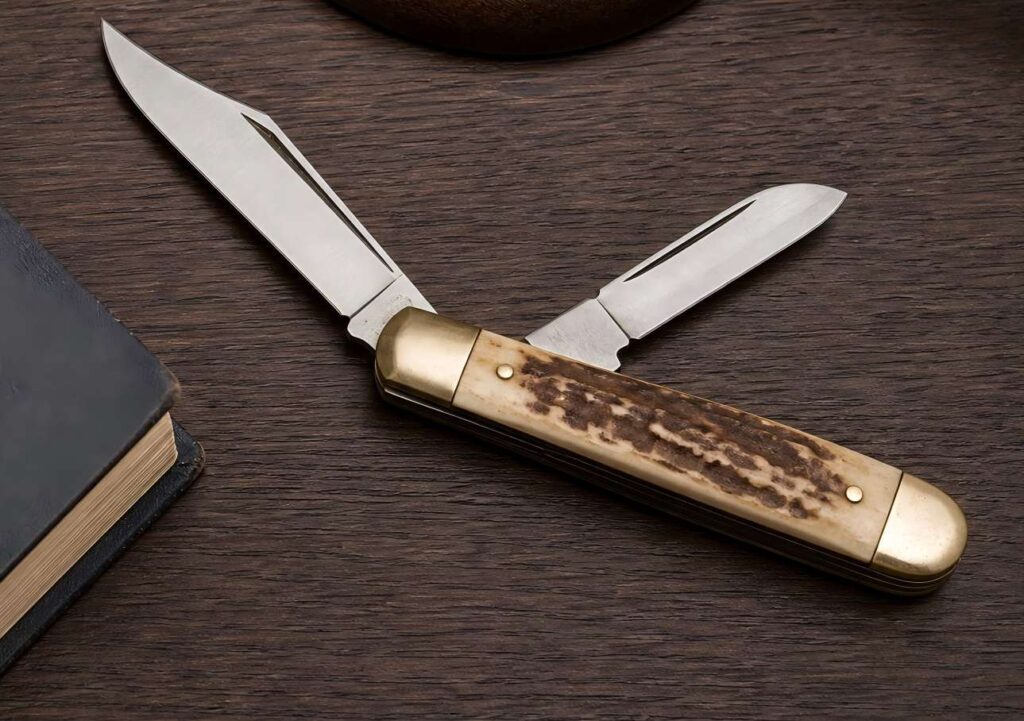
- Trapper: clip point + spey blade. The most popular two-bladed pattern in North America.
- Congress: four blades. Favored by collectors for its complexity.
- Stockman: three blades (often includes a clip, sheepfoot, and spey). Technically three-bladed, but the two-bladed trapper variant is more common.
Tactical and modern folders:
- Large / oversized folders: Extra-large two-bladed folding knives (6+ inches) for heavy-duty outdoor or survival use. Require reinforced locking mechanisms. Niche but strong margins.
- Dual-blade tactical folders: Two blades of different profiles (e.g., tanto + drop point) in one handle. Popular with military and law enforcement for mission-specific blade selection. Higher margins than traditional patterns.
Lock recommendation:
Frame locks or crossbar locks. A failed lock on a multi-blade folder is dangerous because blades can open unexpectedly. For two-bladed designs, each blade needs its own secure lock.
Steel recommendations:
Double Blade Kitchen Knife
Mezzaluna: Two parallel curved blades with handles at each end. Rocking motion minces herbs, garlic, and nuts efficiently. Standard in Italian and professional kitchens.
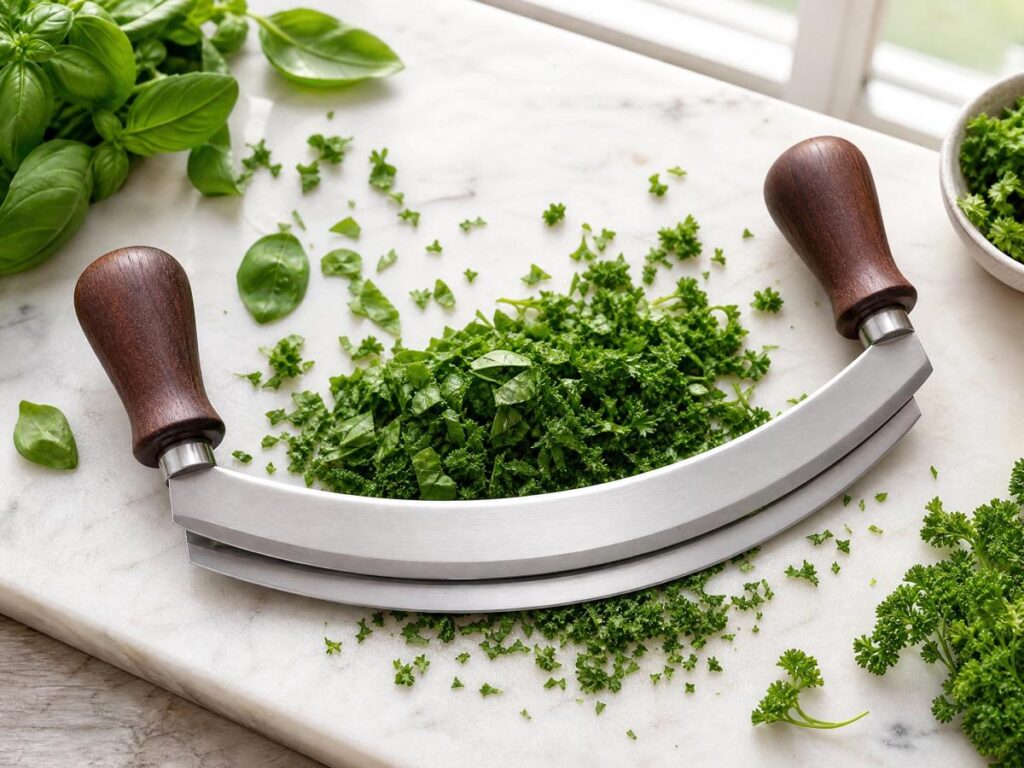
Double-bladed butcher knives:
Used in poultry processing to cut along both sides of the keel bone simultaneously. Speeds up repetitive cuts on production lines.
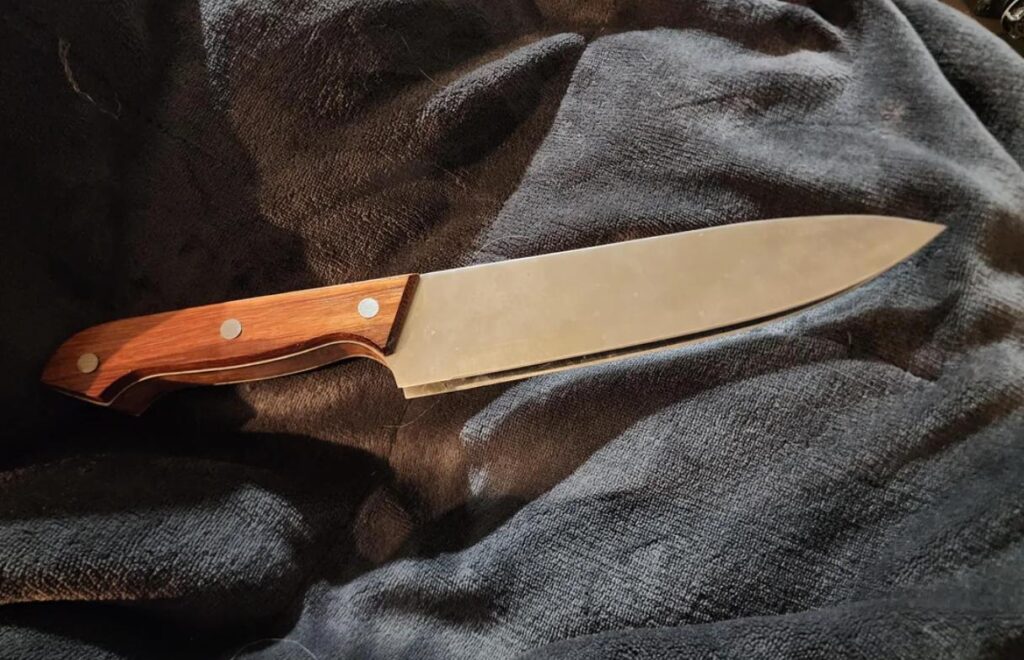
Image source: Reddit
B2B note: Kitchen applications face no legal restrictions. These are clearly tools. FDA-compliant materials (304 or 420 stainless) and NSF certification matter more than blade regulations. Volume orders typically start at 500+ units.
Fixed Dual-Head Knife
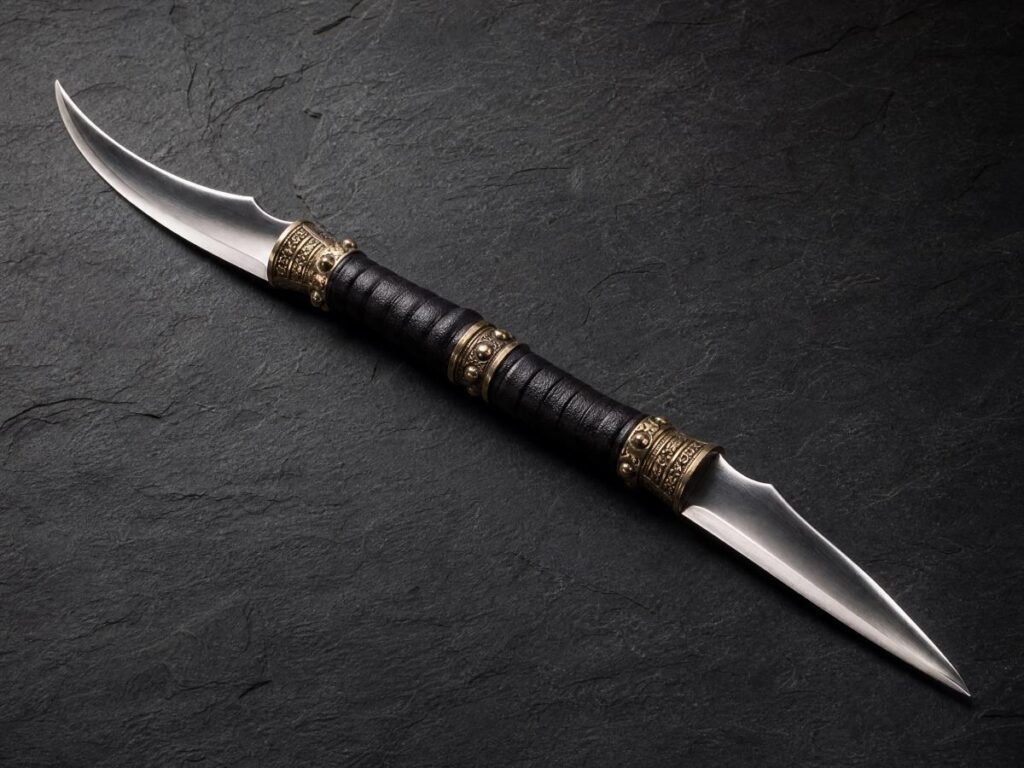
A handle with blades at opposite ends (fixed, not folding). These span traditional tools, modern tactical designs, and collector pieces.
Traditional and heritage designs:
- Haladie: An ancient Indian double-edged dagger with two curved blades at opposite ends. Historical and reproduction pieces appeal to collectors and martial-arts practitioners.
- Regional utility knives: Traditional designs from Sierra Leone, Ottoman regions, and other cultures. Often feature carved bone or wood handles.
- Ceremonial knives: Fixed dual-head designs used in rituals or as display pieces.
Modern tactical and collector variants:
- Tactical double-ended daggers: Symmetrical blades at each end of a long handle. Popular in fantasy, martial-arts, and tactical collector markets. Often sold through custom knife dealers and auction platforms.
- Throwing knives: Double-bladed throwing knives (e.g., United Cutlery Black Ronin) with blades at both ends. Designed for balanced rotation in flight. Popular in sport throwing and tactical training.
Utility and trade tools:
- Electrician’s dual-blade knives: Wooden-handled tools with two blades for stripping and cutting wire. Common in European trade markets.
- Grafting and budding knives: Dual blades for horticultural work. Specialized but steady demand in agricultural supply chains.
Manufacturing note: Two fixed blades on one handle require precise balance. Weight distribution is critical — a heavy blade on one end makes the knife awkward to wield. Full-tang construction is standard for durability. For throwing knives, center-of-gravity alignment determines flight stability.
What Is a Double-Bladed Knife Used For?
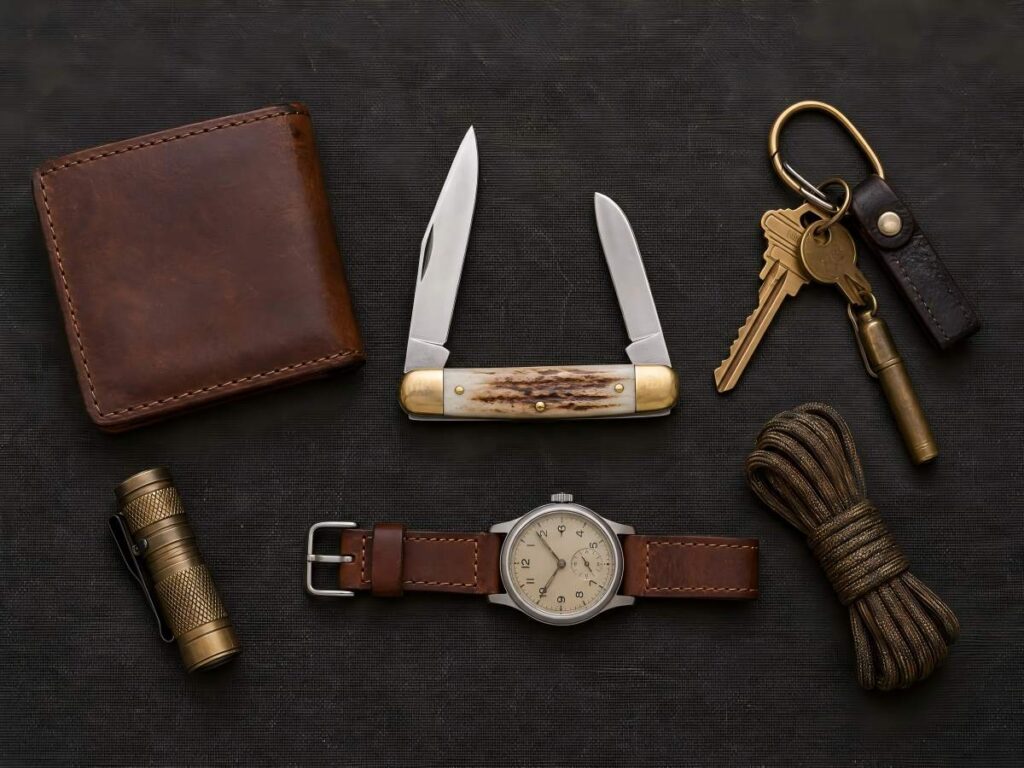
Everyday Carry (EDC)
Two-bladed pocket knives are classic EDC tools. The trapper pattern, in particular, has been a standard carry knife for over a century.
Why two blades?
- Clip point: general cutting, detail work
- Spey blade: skinning, piercing (rounded tip reduces accidental puncture)
Users carry one knife with two specialized edges instead of two separate knives. This is the core value proposition for B2B marketing.
Culinary and Food Service
Mezzaluna knives are standard in professional kitchens. The two-blade rocking action minces ingredients faster than a single chef’s knife for small, dense items (garlic, herbs, nuts).
Double-bladed butcher tools speed up poultry processing. The parallel blades cut both sides of the keel bone in one motion, reducing repetitive strain and increasing throughput.
Manufacturing focus:
- Stainless steel (440C, 420J2) for corrosion resistance
- Ergonomic handles for repetitive use
- Easy disassembly for sanitation compliance
- NSF certification for commercial kitchen sales
Collecting and Gifting
Traditional two-bladed patterns (Trapper, Congress) are staples of the knife collecting market. Limited editions, custom handle materials, and commemorative engravings drive premium pricing.
Novelty two-bladed designs (Batman-style, fantasy patterns) sell well in gift markets. These are impulse purchases, not tool investments. Lower steel quality is acceptable; visual appeal matters more.
Industrial and Utility
Some specialized industrial knives use two blades for parallel cutting — trimming, slitting, or scoring materials. These are custom orders, not standard catalog items.
Are Double-Bladed Knives Illegal?
Legal Disclaimer: Knife laws change frequently and vary by state, county, and city. This article is for general informational purposes only and does not constitute legal advice. Always consult local statutes or a legal professional before carrying, selling, or distributing knives in any jurisdiction.
Short Answer: Generally No
Two-bladed knives are treated as ordinary tools in most U.S. jurisdictions. A Trapper pocket knife with two blades is not a weapon under federal or state law.
A mezzaluna kitchen tool faces no special restrictions. There is no federal ban on owning, carrying, or selling knives with two separate blades.
State laws that restrict knives typically target:
- Blade length (e.g., blades over 3 or 4 inches)
- Opening mechanism (switchblades, gravity knives, spring-assisted knives)
- Carry method (concealed vs. open)
- Location (schools, courthouses, airports)
Two-bladed designs are generally exempt from these restrictions because they are recognized as utility tools, not weapons.
When a Two-Bladed Knife Could Face Restrictions
While rare, a two-bladed knife could be restricted in these situations:
- Blade length limits. If either blade exceeds your state’s maximum carry length, the knife is treated the same as any other oversized blade. Check local limits — common thresholds are 2.5, 3, or 4 inches.
- Automatic or spring-assisted opening. If a two-bladed folder deploys blades via spring or button mechanism, it may qualify as a switchblade or automatic knife under federal or state law. The 1958 Federal Switchblade Act (15 U.S.C. § 1242) restricts interstate shipment of automatic knives.
- Concealed carry in strict states. Some states restrict concealed carry of any fixed-blade knife regardless of blade count. Open carry is usually permitted.
- Local ordinances. Cities like Chicago and New York City have stricter rules than their home states. Always check municipal codes.
What This Means for B2B Sellers
- Label products accurately. A two-bladed Trapper is not a dagger. Market it as a “pocket knife” or “multi-blade tool,” not a weapon.
- Include legal disclaimers on product pages. State that buyers are responsible for knowing their local laws. Even low-risk products benefit from this protection.
- Check automatic knife laws for spring-assisted designs. If your two-bladed folder uses a spring or button, verify federal and state compliance before shipping across state lines.
- Segregate catalog categories. If you also sell double-edged blades (daggers), use clear category names (“Tactical Daggers” vs. “Multi-Blade Pocket Knives”). Do not let marketing copy blur the line.
Design Considerations for OEM Double-Bladed Knives
Blade Alignment and Balance
Two blades on one handle require precise alignment. A misaligned blade ruins the cutting action and weakens the pivot.
For folders: Each blade needs independent stop pins and detents. Blades should not contact each other when closed.
For fixed dual-heads: Weight distribution is critical. A heavy blade on one end makes the knife awkward to use. Balance point should be at the center of the handle.
Safety Mechanisms
For folding double-bladed knives, each blade needs its own lock. A failed lock on a multi-blade folder is dangerous because blades can open unexpectedly.
Recommended locks:
- Frame lock (titanium or steel)
- Crossbar lock (Axis-style)
- Slip joint (for traditional patterns, no lock but spring tension holds blade)
Note: Traditional trapper and congress patterns use slip joints, not locking mechanisms. This is a feature, not a bug — slip joints avoid automatic-knife classification in states with strict opening-mechanism laws.
Handle Ergonomics
Two blades mean two opening points. The handle must accommodate access to both without compromising grip.
Critical features:
- Nail nick or thumb stud placement: Positioned so each blade can be opened independently
- Textured grip: G10, Micarta, or bone for secure handling
- Handle thickness: Must house two blades without becoming bulky. 0.4–0.5 inches is standard for two-bladed folders
Steel Selection
| Tier | Steel | Edge Retention | Cost | Best For |
|---|---|---|---|---|
| Budget | 8Cr13MoV, 440C | Moderate | Low | Entry-level folders, kitchen knives |
| Mid-range | D2, 154CM, S30V | Good | Medium | Tactical folders, EDC multi-blades |
| Premium | S35VN, M390, Damascus | Excellent | High | Collector pieces, limited editions |
Blade Coating
Two blades mean twice the surface area exposed to moisture. Corrosion protection matters.
Recommended coatings:
- DLC (Diamond-Like Carbon): Hard, low friction, black finish
- Cerakote: Thinner, more color options, good corrosion resistance
- PVD: Durable, uniform thickness, multiple colors
Sheath and Packaging
Two-bladed folders need pouches or boxes that protect both blades when closed. Leather slips, nylon belt sheaths, and display boxes are standard options.
For kitchen knives (mezzaluna), packaging must include blade guards or a wooden block for safe storage.
Start Working with a Professional Now
Why Brands Should Stock Double-Bladed Knives
Margin Analysis
| Product Type | Wholesale Price Range | Retail Price Range | Typical Margin |
|---|---|---|---|
| Budget two-bladed folder | $8–$15 | $20–$35 | 55–60% |
| Mid-range trapper pattern | $15–$25 | $40–$65 | 60–65% |
| Premium collector multi-blade | $40–$80 | $100–$180 | 65–70% |
| Mezzaluna kitchen knife | $12–$20 | $30–$50 | 60% |
| Novelty/gift two-bladed | $5–$12 | $15–$30 | 55–60% |
Note: Double-edged tactical knives command higher margins than single-edge equivalents because fewer manufacturers offer quality options. The compliance barrier creates a moat.
Target Customer Segments
| Segment | Product Preference | Price Sensitivity | Volume |
|---|---|---|---|
| Outdoor retailers | Traditional trapper, stockman patterns | Medium | High |
| Kitchen supply wholesalers | Mezzaluna, butcher knives | Medium | High |
| Gift/novelty distributors | Novelty two-bladed folders, themed designs | High | High |
| Collectors | Limited editions, custom handles, Damascus | Very low | Low |
| General merchandise | Budget multi-blade folders | High | Very high |
Partnering with Kegani for Double-Bladed Knife Manufacturing
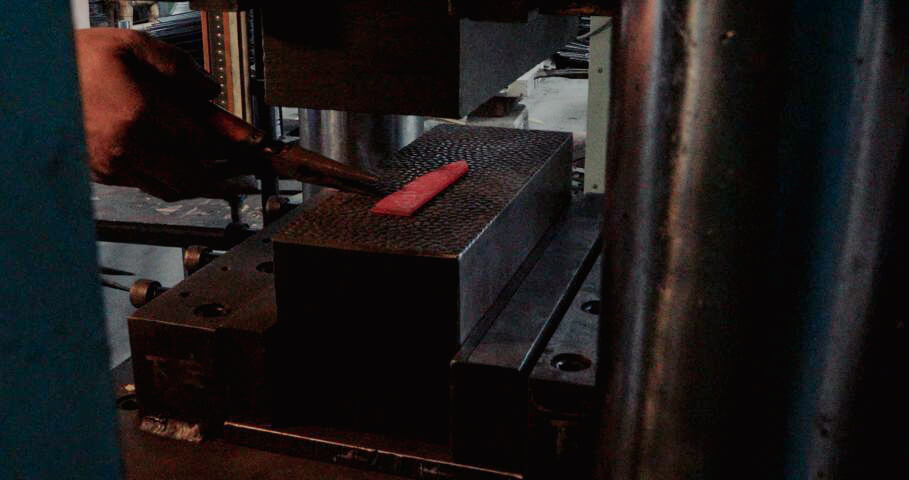
Kegani is a full-service OEM knife manufacturer and private label partner with experience producing double bladed knives for brands across North America and Europe.
Capabilities:
- Custom blade profiles — from traditional dagger grinds to modern tanto-influenced double-edge designs
- Full material library — 8Cr13MoV to S35VN, Damascus, and composite steels
- Handle customization — G10, carbon fiber, Micarta, aluminum with your brand colors and textures
- Safety engineering — integrated guards, reinforced locks, and sheath design for fixed blades
- Compliance support — guidance on legal requirements for target markets
Whether you need 500 units of a stock dagger design with your logo, or a fully custom double blade folding knife engineered from scratch, our team handles the process from prototype to delivery. Contact us for a quote.
Frequently Asked Questions
What is a double-edged knife?
A double-edged blade is not a double bladed knife. It is a single blade sharpened on both sides — like a dagger, dirk, or stiletto. This design is optimized for combat and piercing, not utility. That is why it triggers strict knife laws in many states.
What is the difference between a double-bladed knife and a double-edged blade?
Key distinction:
- Double bladed knife: two blades, one handle. Tool-oriented. Generally legal.
- Double-edged blade: one blade, both sides sharpened. Weapon-oriented. Heavily regulated.
| Double Bladed Knife | Double-Edged Blade | |
|---|---|---|
| Blade structure | Two separate blades on one handle | One blade, sharpened on both sides |
| Also called | Multi-blade folder, dual-head knife, two-bladed knife | Dagger, dirk, stiletto, double-edged knife |
| Cross-section | Varies by blade type | Diamond or lens shape |
| Legal treatment | Generally treated as ordinary tool | Often classified as “dagger” — restricted in many states |
| Primary use | Utility, culinary, EDC, outdoor | Tactical, combat, self-defense, collection |
| B2B margin | Moderate (volume-driven, broader market) | High (premium materials, limited competition) |
| Compliance risk | Low (standard knife regulations) | High (state laws vary, labeling critical) |
What is a two-bladed knife called?
Traditional folding patterns include the Trapper (clip point + spey), Congress (four blades), and Stockman (three blades). Modern variants include tactical dual-blade folders and large survival folders.
In the kitchen, a two-bladed rocking knife is called a mezzaluna, while double-bladed butcher knives speed up poultry processing.
Fixed designs span heritage pieces (Haladie, regional styles), tactical double-ended daggers, throwing knives, and trade tools like electrician’s and grafting knives.
Why are double-bladed knives illegal in some states?
Double-edged blades are classified as “daggers” or “stabbing instruments” because the design is optimized for combat — there is no dull spine for utility tasks like batoning or scraping. This triggers stricter concealed-carry restrictions in states like California, Michigan, and Massachusetts.
Can you legally carry a double-bladed knife?
It depends on three factors: your state, whether the knife is fixed or folding, and whether you carry it openly or concealed. In permissive states like Texas, adults can generally carry double-edged knives. In restrictive states like California, concealed carry of a double-edged fixed blade is illegal. Always check local laws.
Which knives are illegal in the US?
There is no federal ban on owning two-bladed knives. Federal law (15 U.S.C. § 1245) restricts interstate shipment of switchblades and ballistic knives. Some states restrict double-edged blades (daggers), gravity knives, or blades over certain lengths. Two-bladed designs are generally exempt from these restrictions.