Buying 200 pocket knives at $8 each sounds straightforward until you discover that one supplier charges extra for packaging, another requires 500 units per model, and a third offers a lower price but leaves you responsible for international freight and customs.
If you’re planning to buy knives wholesale, understanding these differences can save you from expensive mistakes.
Wholesale knife buying means purchasing knives in bulk from manufacturers, wholesalers, or distributors at prices intended for business buyers. Depending on your supplier, you can purchase existing models for resale, add your own branding, or develop custom designs. Your order quantity, product specifications, and sourcing channel all affect the final cost.
Quick Facts About Buying Knives Wholesale
| Question | Quick Answer |
| Who can buy wholesale knives? | Retailers, ecommerce sellers, established knife brands, and other businesses. Many US distributors require resale documentation. |
| Typical minimum order quantity (MOQ) | Some US distributors use minimum order values; factory orders commonly start around 100–500 units, depending on the supplier. |
| Kegani’s wholesale MOQ | 100–200 units |
| Where can you buy wholesale knives? | Domestic distributors, factory-direct manufacturers, brand wholesale programs, or dropshipping suppliers |
| Can you customize wholesale knives? | Yes. Factory-direct suppliers may offer logo engraving, custom packaging, private label, and OEM manufacturing. |
| What affects your final cost? | Unit price, order volume, packaging, freight, import duties, inspection, and other applicable fees |
In this guide, we’ll walk you through choosing the right supplier, understanding MOQs, calculating landed costs, checking knife quality, and placing your first bulk order. We’ll also explain when it makes sense to move from reselling existing knives to developing your own branded products.
You can also explore our wholesale knife service to understand the manufacturing options available to businesses.
What Does Buying Knives Wholesale Mean?
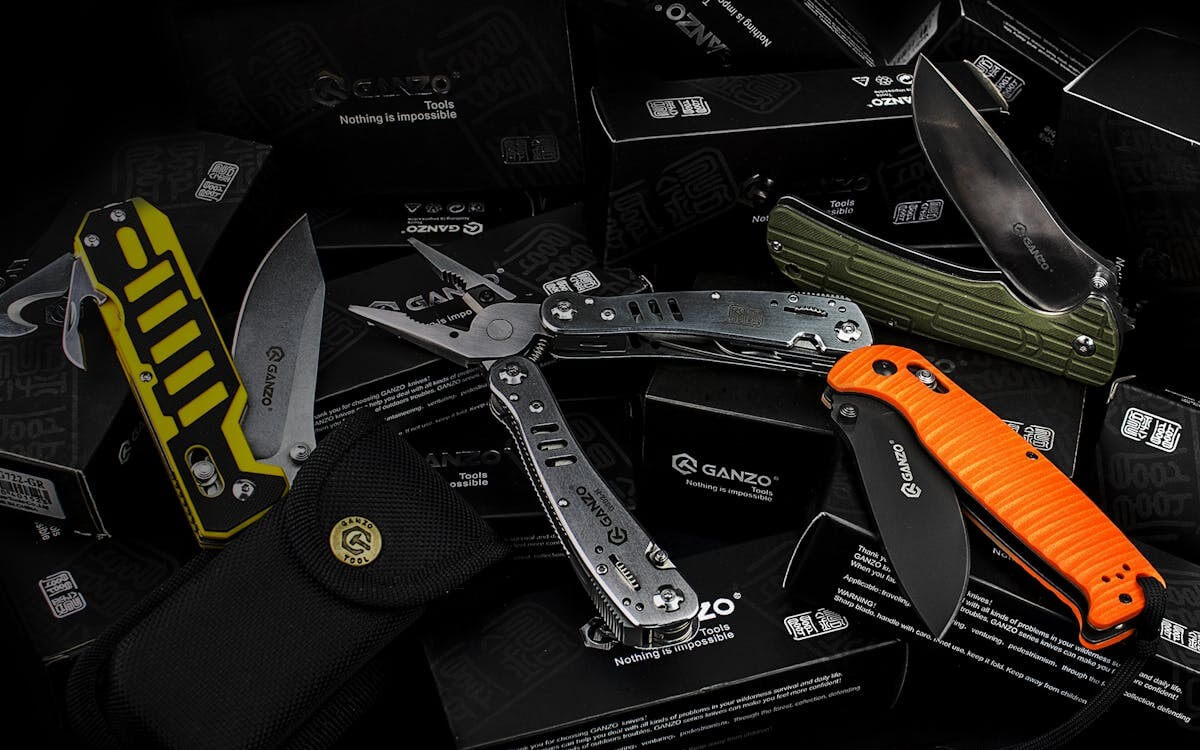
Buying knives wholesale means purchasing knives in larger quantities at business-to-business (B2B) prices, usually for resale. Instead of paying the retail price for individual knives, you negotiate pricing based on your order volume, product specifications, and supplier’s minimum order quantity (MOQ).
For example, a retailer might purchase 200 folding knives from a manufacturer and sell them individually through an online store. Another buyer might order branded pocket knives from a distributor to stock a physical shop.
Both are wholesale purchases, but the pricing, customization options, and ordering requirements can differ considerably.
Understanding the Different Types of Wholesale Knife Suppliers
One thing we recommend understanding before requesting quotes is who you’re actually buying from. The term wholesale supplier is used broadly, but manufacturers, wholesalers, distributors, and brand wholesale programs serve different purposes.
| Supplier Type | What They Do | Best For |
| Knife manufacturer | Produces knives directly, often offering factory-direct pricing, private label, and OEM services. | Businesses ordering in volume or developing their own knife brands. |
| Knife wholesaler/importer | Purchases knives in bulk from manufacturers and resells them to businesses, often across different product categories. | Retailers looking for ready-made inventory without managing production. |
| Knife distributor | Stocks products from one or multiple knife brands and supplies approved retailers or dealers. | Businesses needing recognized brands, smaller orders, and quicker restocking. |
| Brand wholesale program | Allows approved retailers to purchase a particular brand’s knives for resale, directly or through authorized distribution partners. | Retailers targeting customers who already recognize and trust specific knife brands. |
The distinction matters when comparing quotes.
When you buy directly from a manufacturer, you may have more control over blade steel, handle materials, finishes, and packaging. However, factories generally require larger orders and longer lead times, particularly for custom production.
Distributors and wholesalers typically offer smaller purchasing commitments and ready-to-ship products. You’ll generally pay more per unit because their pricing includes inventory holding, warehousing, and distribution costs.
Our advice: If you’re testing demand for wholesale pocket knives, starting with a distributor can reduce your inventory risk. If you’ve established consistent sales or want to build your own knife brand, factory-direct purchasing becomes worth evaluating.
The best supplier depends on your expected sales volume, available budget, and how much control you need over the finished product.
4 Ways to Buy Knives Wholesale
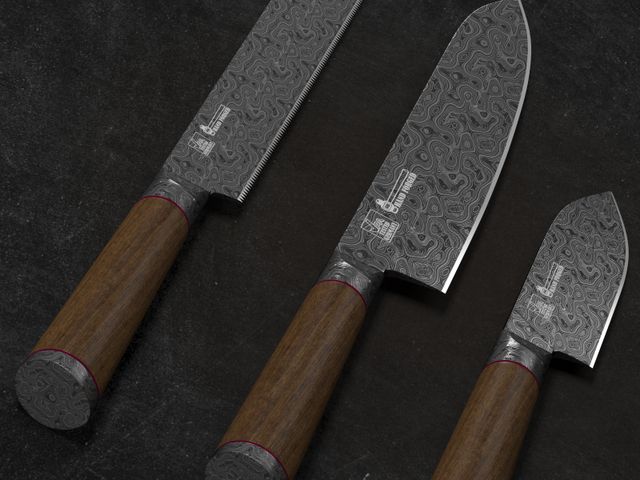
There are four main ways to buy knives wholesale: through a US distributor, directly from a manufacturer, through a brand wholesale program, or from a dropshipping supplier.
The right choice depends on your budget, order volume, delivery requirements, and whether you’re reselling existing products or building your own knife brand.
| Sourcing Channel | Typical Minimum Order | Lead Time | Margin Potential | Customization | Best For |
| US knife distributor | Often 100-250 opening order | 2–7 business days for in-stock items | Moderate; branded products may have MAP restrictions | Usually none | New retailers, smaller orders, and fast restocking |
| China factory-direct | Commonly 100–500 units per model for stock wholesale | Several weeks for stock orders; full OEM projects may take 18–22 weeks | Higher potential at sufficient volume, depending on landed costs | Private label, OEM, custom packaging | Established sellers, importers, and new knife brands |
| Brand wholesale program | Varies by brand and dealer requirements | Days to weeks, depending on availability | Moderate; may be limited by MAP policies | Generally none | Retailers selling recognized knife brands |
| Dropshipping supplier | Often no inventory minimum | Varies by supplier and destination | Generally lower due to per-order costs | Limited or none | Testing demand without holding inventory |
Minimums and delivery times are indicative and vary by supplier. Kegani’s confirmed wholesale MOQ is 100–200 units.
Which Wholesale Sourcing Channel Should You Choose?
- Choose a US distributor if you’re testing demand, working with a smaller budget, or need ready-to-ship inventory from established brands.
- Choose factory-direct if you have consistent demand, want greater control over specifications and pricing, or plan to introduce your own branded knives.
- Choose a brand wholesale program if your customers specifically want recognized brands such as Case, Buck, or Kershaw.
- Choose dropshipping if you want to test demand without purchasing inventory upfront, provided the supplier can meet your quality, shipping, and legal requirements.
Our recommendation is to start with a distributor if you’re uncertain about demand. Once you’ve identified consistent sellers, compare factory-direct landed costs to see whether larger orders make financial sense.
For domestic supplier options, explore our guide to pocket knife wholesale distributors.
What Do You Need to Buy Knives Wholesale?
If you’re buying knives wholesale in the United States, you’ll typically need a registered business, resale documentation, and the information required to open a supplier account. There is no general federal license specifically for reselling ordinary pocket knives, although state and local requirements vary.
Before contacting wholesale knife suppliers, we recommend getting these three things in order.
1. Business Registration and EIN
Most established distributors want to verify that they’re dealing with a legitimate business.
You can operate as a sole proprietor, LLC, or corporation, depending on your business structure. You may also need an Employer Identification Number (EIN), a federal tax identification number issued by the IRS.
An EIN isn’t mandatory for every sole proprietor, but many suppliers request one when opening wholesale accounts. You can apply for an EIN free through the IRS.
2. Resale Certificate or Seller’s Permit
A resale certificate allows an eligible business to purchase products intended for resale without paying sales tax to the supplier at the time of purchase.
Depending on your state, you may first need to register for a seller’s permit or sales tax account. You then provide the appropriate resale documentation to your distributor.
Keep in mind: A seller’s permit and resale certificate aren’t necessarily the same document. Requirements vary by state, and you’re generally responsible for collecting and remitting applicable sales tax when selling to customers.
3. Local Business License
Some cities, counties, and states require additional business licenses to operate a retail or ecommerce business.
Check the requirements where your business operates before applying for wholesale accounts. A supplier may request your business registration details, address, and resale documentation before approving dealer pricing.
What If You’re Importing Knives from China?
Buying factory-direct adds customs requirements, particularly when you’re importing knives into the US for resale.
You’ll need to account for:
- HTS classification: Knives generally fall within Chapter 82 of the Harmonized Tariff Schedule, with many knife products classified under heading 8211. The exact classification determines applicable duties.
- Customs documentation: Commercial invoices, shipment details, country-of-origin information, and other required import documents.
- Customs bond: Generally required for formal customs entries, commonly involving shipments valued above $2,500. A customs broker can help arrange one.
You should also confirm that your specific knife design is legally importable. Automatic knives and certain opening mechanisms may be subject to federal restrictions, in addition to state and local laws.
We recommend discussing the product classification, applicable duties, and customs clearance responsibilities with a licensed customs broker before placing your first international bulk order.
Our advice: Prepare your business documents before requesting dealer pricing, and verify import eligibility before paying a factory deposit. Resolving these issues early helps prevent avoidable shipment delays and unexpected costs.
Official references used for verification: IRS: Employer Identification Number and CBP: Customs Bonds.
7 Things to Consider Before Buying Wholesale Knives
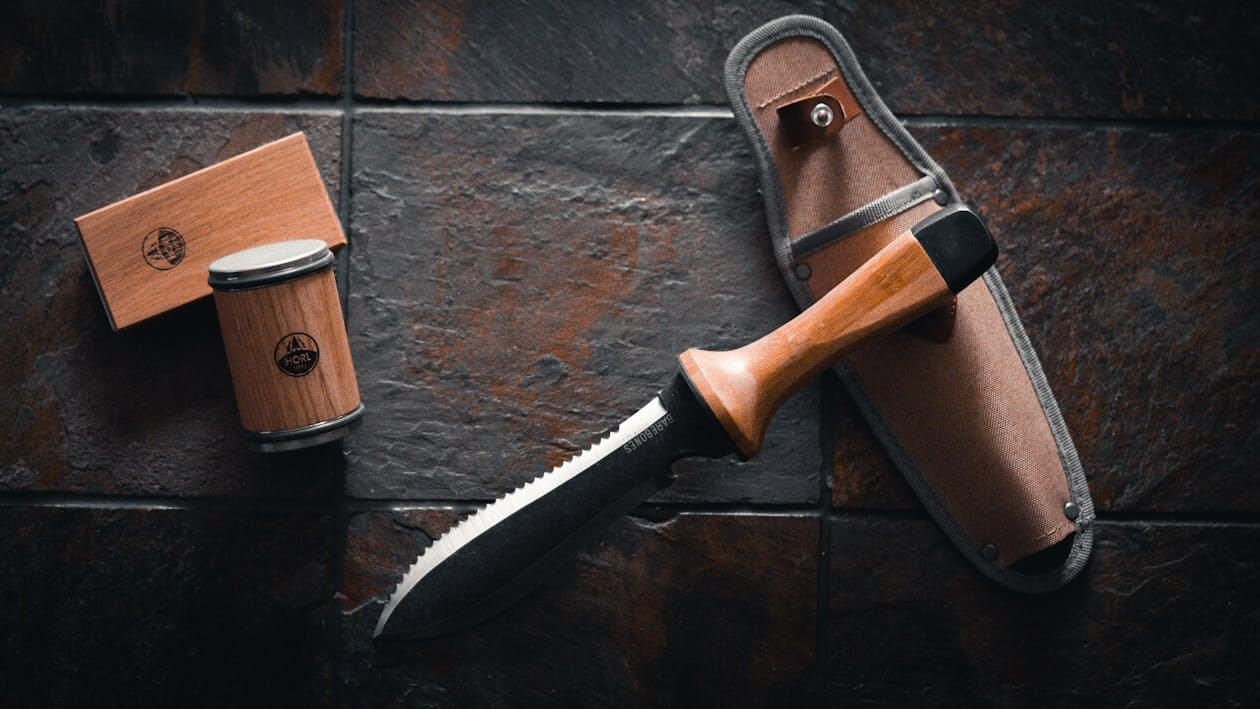
Before buying knives in bulk, you need to evaluate more than the supplier’s quoted price. Your target customers, minimum order quantities, legal requirements, and expected profit margins all influence whether a wholesale purchase makes financial sense.
Here are seven factors we recommend reviewing before committing to an order.
1. Your Target Market
Start by identifying who will buy your knives and what they’re willing to spend.
Everyday carry (EDC) enthusiasts, hunters, outdoor users, and gift buyers have different expectations. For example, an EDC customer may prioritize blade steel, locking mechanisms, and pocket carry, while a gift buyer may place greater value on appearance and packaging.
We recommend narrowing your initial selection to a few styles that serve a clearly defined audience. This makes it easier to evaluate demand before investing in a broader inventory.
2. Knife Laws and Marketplace Restrictions
Knife regulations vary by country, state, and sometimes municipality. In the US, restrictions can differ based on blade length, opening mechanism, knife type, and intended use.
Before purchasing inventory, check the rules governing knife sales in your target markets. Pay particular attention to automatic knives, switchblades, and other restricted designs.
If you’re selling online, you must also follow marketplace policies. Amazon and eBay maintain their own knife restrictions, which may prohibit certain products even where local laws permit their sale.
We recommend checking product eligibility before ordering, especially when you’re importing unfamiliar designs.
For additional guidance, see our Pocket Knife Laws: Sales, Ownership, and Carry guide and our explanation of how to mail a knife.
3. Minimum Order Quantities (MOQs)
The MOQ is the smallest quantity a supplier will accept for an order. It directly affects how much capital you’ll need and how much inventory risk you’re taking.
For example, Kegani’s wholesale MOQ is 100–200 units, while other factories may require larger quantities depending on the knife model and customization requirements.
One detail buyers sometimes overlook is whether the MOQ applies per SKU, per model, or across the entire order.
A 500-unit minimum spread across five models is a very different commitment from purchasing 500 units of one design.
Always confirm how the MOQ is calculated and whether combining different colors, handle materials, or blade variations is allowed.
4. Customization and Branding Options
If you’re planning to build your own knife brand, check what customization services your supplier actually offers.
Basic private labeling may include logo engraving and custom packaging, while more advanced projects involve selecting blade steel, handle materials, finishes, or developing an entirely new design through OEM manufacturing.
From a manufacturing perspective, even relatively small design changes can affect production costs and minimum quantities.
We recommend requesting separate quotations for stock wholesale, private label, and full customization if you’re still deciding which approach suits your budget.
5. Wholesale Pricing and Profit Margins
A low wholesale price doesn’t automatically translate into a profitable product.
You need to calculate your landed cost, including the knife’s purchase price, shipping, import duties, packaging, inspection, and other applicable expenses.
As a starting point, some retailers evaluate products using a 2–3× markup on landed cost.
For example, if a knife costs $10 landed:
| Selling Price | Gross Profit | Gross Margin |
| $20 (2× markup) | $10 | 50% |
| $25 (2.5× markup) | $15 | 60% |
| $30 (3× markup) | $20 | 66.7% |
These are illustrative margins before selling expenses. Advertising, payment processing, marketplace fees, returns, and overhead will reduce your actual profitability.
Recognized brands may also impose minimum advertised price (MAP) policies that restrict advertised discounts.
Our advice: Work backward from a realistic selling price to determine what you can afford to pay your supplier. Don’t assume a knife will sell at three times its landed cost simply because the markup looks attractive.
6. Shipping Costs and Lead Times
Shipping can significantly affect both your costs and inventory availability, especially when purchasing from overseas manufacturers.
Domestic distributors typically offer quicker fulfillment for in-stock products, while factory-direct orders may involve production, international freight, and customs clearance.
At Kegani, for example, a first full OEM project typically takes 18–22 weeks door to door. Stock wholesale orders follow a different schedule based on inventory availability and shipping arrangements.
We recommend confirming the estimated delivery date, shipping method, and Incoterms before paying a deposit.
Also consider how quickly you can replenish inventory. A lower unit cost may not be worthwhile if long replenishment times cause you to run out of your bestselling products.
7. Quality Control and Return Policies
Quality becomes more important as order quantities increase. A defect affecting even a small percentage of a large shipment can create returns, warranty claims, and dissatisfied customers.
For folding knives, we recommend checking blade centering, lock-up, opening action, grind symmetry, and overall fit and finish. Blade hardness should also match the agreed specifications.
Ask suppliers whether they provide written specifications, production samples, and pre-shipment inspection (PSI).
You should also clarify their process for handling defective products. Will they replace faulty units, issue credit, or require you to return the shipment?
Getting these terms in writing before production reduces the risk of disputes later.
Ultimately, the right wholesale knife supplier should offer a workable balance of pricing, reliable quality, manageable MOQs, and replenishment times that fit your business.
How to Choose a Wholesale Knife Supplier
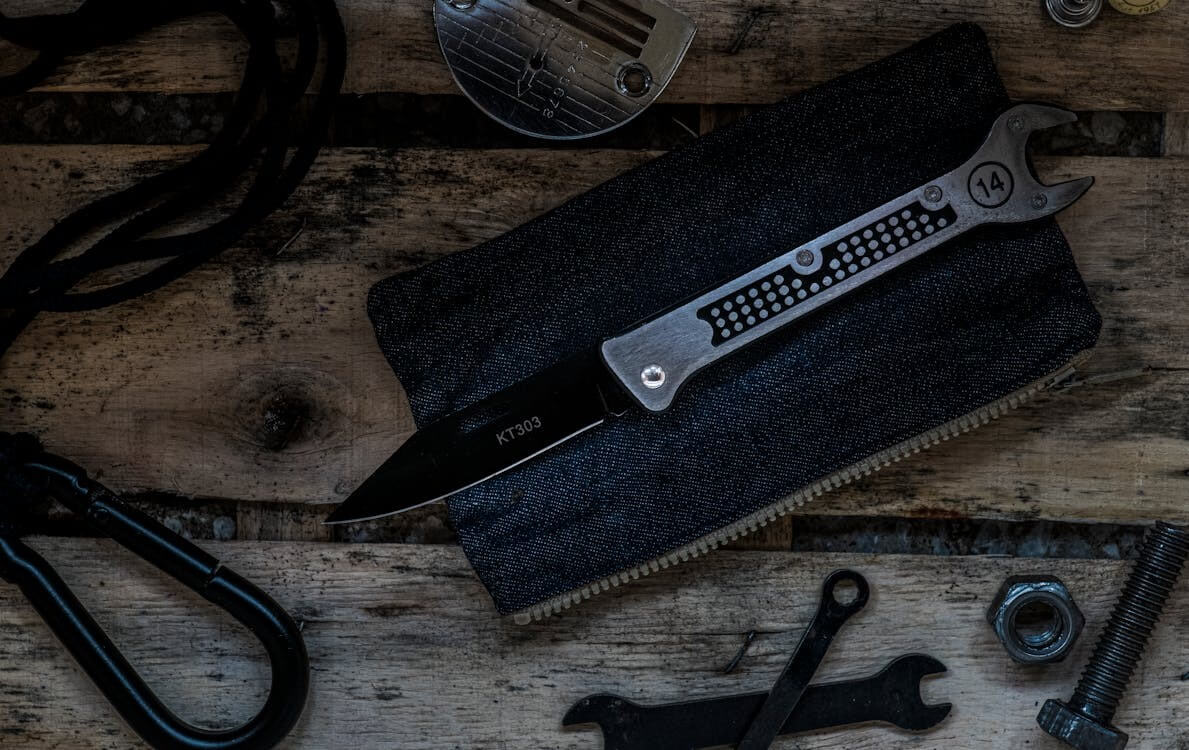
Choosing a wholesale knife supplier requires more than comparing catalogs and unit prices. You need to know whether the supplier can deliver consistent quality, maintain inventory, and support your business as order volumes increase.
We recommend starting with three basic checks:
- Check their product range and specialization. Look for suppliers that specialize in the knives your customers want, whether that’s EDC folding knives, tactical knives, fixed blades, or traditional pocket knives. A supplier with relevant product expertise is better positioned to answer technical questions and recommend suitable models.
- Evaluate their manufacturing capabilities. If you’re considering factory-direct purchasing, ask about production equipment, heat treatment, assembly, and quality inspection. Confirm which processes happen in-house and which are outsourced.
- Confirm OEM and private label options. If you plan to introduce your own brand, check whether the supplier offers logo engraving, branded packaging, material customization, or full OEM development. Request examples of previous work and clarify the minimum order quantities for each service.
Verify That You’re Getting Genuine Wholesale Pricing
Before opening a dealer account, check whether the supplier also sells the same products directly to consumers.
Search for several of their knife models on Amazon, eBay, and other retail marketplaces. Compare those retail listings with the wholesale prices you’ve been quoted.
If your supplier regularly sells the same knife near your intended retail price, you may struggle to compete after accounting for shipping, advertising, and marketplace fees.
Also check whether branded products come with minimum advertised price (MAP) policies or restrictions on where you can resell them.
How to Tell a Knife Factory from a Trading Company
Some suppliers advertise themselves as manufacturers even though they primarily source knives from other factories.
Trading companies aren’t necessarily unreliable, but knowing who controls production helps you understand pricing, customization capabilities, and quality accountability.
Here are a few practical checks we recommend:
| What to Check | What to Ask or Verify |
| Production facilities | Request a live video walkthrough showing relevant machinery, assembly stations, and inspection areas. |
| Technical knowledge | Ask about the target HRC for a specific blade steel, acceptable blade-centering tolerances, and how lock-up is inspected. |
| Quality control | Request a sample inspection report showing actual measurements against written specifications. |
| Customization capabilities | Ask which operations are performed in-house and which require outside production partners. |
| Production accountability | Confirm which company manufactures the knives, manages defects, and approves replacements. |
For example, if you’re sourcing D2 folding knives, ask the supplier what hardness range they target and how they verify it during production.
A manufacturer should be able to provide a clear technical explanation or supporting production documentation. A trading company may need to consult its factory, which is perfectly reasonable as long as the answers are accurate and transparent.
Watch for These Supplier Red Flags
We recommend investigating further if a supplier:
- Refuses to provide samples or written product specifications.
- Quotes prices significantly below comparable offers without explaining the difference.
- Cannot identify the blade steel, target hardness, or quality inspection process.
- Claims to manufacture everything but cannot substantiate its production capabilities.
- Pressures you to pay 100% upfront without appropriate safeguards.
- Avoids discussing defective units, replacement terms, or pre-shipment inspections.
- Cannot provide a realistic production or replenishment schedule.
One final question we recommend asking: “If one of these models becomes our bestseller, how quickly can you supply the next order?”
A supplier that offers attractive pricing on your first purchase but cannot maintain consistent stock or repeatable quality can become expensive as your business grows.
Before committing to a large order, compare at least two or three suppliers using the same product specifications, quantities, packaging requirements, and shipping terms. This gives you a more meaningful comparison than looking at quoted unit prices alone.
Wholesale Knife MOQs, Pricing, and Landed Costs
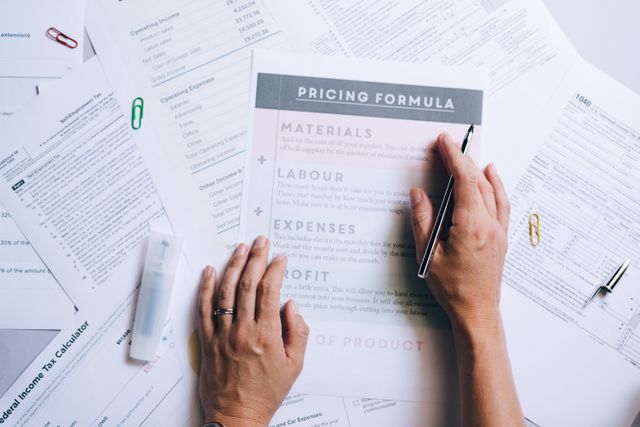
Wholesale knife pricing depends on your order quantity, supplier type, blade materials, and customization requirements. A factory quoting $6 per knife may seem cheaper than a distributor charging $8, but shipping, customs duties, and inspection costs can change the final comparison.
We recommend evaluating minimum order quantities (MOQs), volume discounts, and total landed costs before committing to a supplier.
What Are Typical Wholesale Knife MOQs?
Minimum order quantities vary by supplier. Distributors hold finished inventory and generally accept smaller orders, while factories require sufficient volume to cover production setup and material costs.
| Supplier Type | Typical Minimum Order | What to Expect |
| US distributor | Often 100-250 opening order | Smaller orders across multiple models |
| China factory (stock wholesale) | 100–500 units per model | Existing designs, limited customization |
| China factory (private label) | 100–500 units | Logo engraving and branded packaging |
| China factory (full OEM) | 300–500+ units | Custom designs, materials, and tooling |
| Brand wholesale program | Varies by dealer agreement | Opening orders and possible MAP restrictions |
| Dropshipping supplier | Often no inventory minimum | Per-order fulfillment at higher unit costs |
These are indicative ranges. Kegani’s wholesale MOQ is 100–200 units.
Always confirm whether the MOQ applies per SKU, per model, or across your entire order. A 500-unit minimum spread across five models is considerably different from ordering 500 units of one design.
How Does Order Quantity Affect Wholesale Pricing?
Manufacturers typically offer tiered pricing because larger production runs spread setup and handling costs across more units.
For example, you might request separate quotes for 100, 300, and 500 folding knives with identical specifications.
We recommend comparing all three price levels before ordering. A lower unit price isn’t necessarily worthwhile if additional inventory sits unsold for months.
Also confirm whether pricing includes packaging, logo engraving, inspection, and tooling charges. These details can significantly affect your final cost.
What Does “Wholesale Knives With No Minimum Order” Mean?
Some distributors and dropshipping suppliers offer wholesale knives with no minimum order quantity, but that doesn’t necessarily mean you’re receiving factory-direct prices.
These suppliers may charge higher per-unit prices, impose minimum order values, or add individual fulfillment fees.
Factories generally operate in production batches, making very small orders less economical.
Our advice: Ask suppliers for pricing at 50, 100, and 500 units. If you’re testing demand, a smaller order at a slightly higher price may be safer than committing to excess inventory.
How to Calculate the Landed Cost of Wholesale Knives
Landed cost includes the knife’s purchase price, shipping, duties, customs clearance, packaging, and other expenses required to receive your inventory.
Here’s an illustrative example of importing 500 folding knives from China into the US.
| Cost Component | Example Cost |
| 500 folding knives × $8 | $4,000 |
| Freight and insurance | $500 |
| Import duties and brokerage | $400 |
| Packaging and inspection | $100 |
| Total landed cost | $5,000 |
| Landed cost per knife | $10 |
These figures are illustrative. Actual freight costs and import duties depend on the product, shipping arrangements, and applicable tariffs.
Landed cost per knife = Total purchase and import costs ÷ Number of sellable knives
In this example, a knife quoted at $8 actually costs $10 after importing.
Selling it for $20 generates a $10 gross profit per unit, or a 50% gross margin before marketplace fees, advertising, returns, and overhead.
If 10 knives arrive defective and cannot be sold, your effective landed cost rises to approximately $10.20 per sellable knife.
We recommend comparing suppliers using landed cost per sellable unit, rather than quoted prices alone. For smaller orders, a domestic distributor may offer better overall value once international shipping and import expenses are included.
How to test samples before you buy wholesale
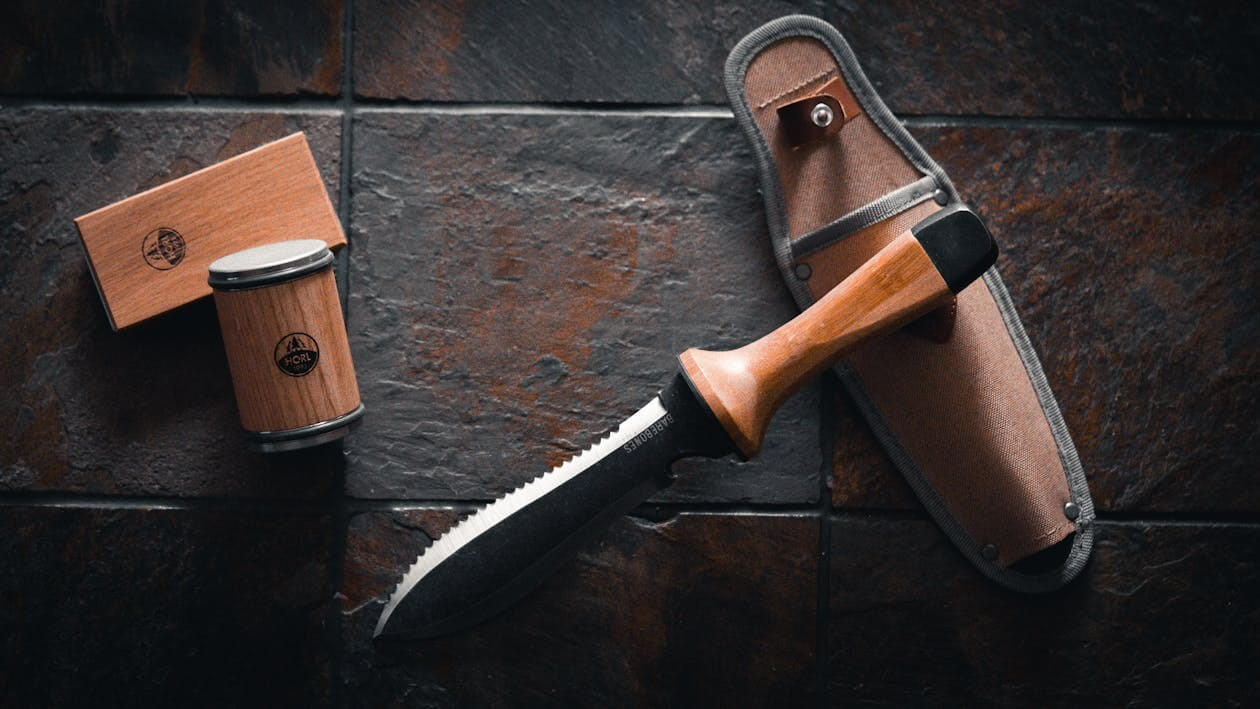
Before committing to a bulk order, we recommend testing samples from your shortlisted suppliers. A knife may look impressive in product photos, but its actual quality depends on blade hardness, machining tolerances, assembly, and consistency between units.
Ideally, request 5–10 samples of the same model. One well-made knife shows what a factory can produce; multiple samples help you understand how consistently it produces them.
1. Check Packaging and Delivery
Start with the condition of the shipment. Was it delivered within the agreed timeframe? Were the knives packaged securely, and did the products match the specifications you requested?
Pay attention to communication, too. Delayed shipments without explanations or unexpected product substitutions can signal problems with larger orders.
2. Inspect the Knives Against Specifications
At the factory level, knife quality is measured against defined specifications rather than appearance alone.
Here’s what we recommend checking:
| QC Check | What to Look For |
| Blade hardness (HRC) | Confirm the target hardness for the specified blade steel and request test results. For example, a D2 blade specified at 58–60 HRC should fall within that agreed range. |
| Lock-up | The locking mechanism should engage securely without unexpected movement or disengagement. |
| Blade centering | The blade should sit within the agreed alignment tolerance when closed, without rubbing against the handle. |
| Grind symmetry | Both sides of the edge should have consistent bevels without visible grinding defects. |
| Fit and finish | Check for scratches, uneven coatings, sharp handle edges, loose screws, and poorly fitted components. |
| Opening action | Compare opening resistance, detent, and closing action across samples of the same model. |
Not every check can be performed visually. Hardness verification, for example, requires appropriate testing equipment, so request documented results or arrange independent testing when necessary.
3. Compare Quality Across Multiple Samples
Consistency is one of the most important indicators of reliable knife manufacturing.
Open and close each folding knife several times, compare blade alignment, and inspect the finishes under consistent lighting. If one sample operates smoothly while another has excessive blade play or noticeably different opening resistance, ask the supplier to explain the variation.
For a deeper understanding of production tolerances and quality control, see our guide on how knives are made.
4. Confirm Pre-Shipment Inspection Requirements
A satisfactory sample doesn’t guarantee that every knife in your bulk order will meet the same standard.
Before production, agree on a written specification sheet covering materials, hardness, dimensions, finish, and acceptable defects.
We also recommend arranging a pre-shipment inspection (PSI), particularly for your first factory order. This allows you or an independent inspector to evaluate a sample of the completed production batch before shipment.
Confirm the inspection criteria, sampling method, and procedure for handling failed inspections in advance.
Our advice: Don’t approve a bulk order based solely on one attractive sample. Compare several units, document any inconsistencies, and ensure the approved specifications become the standard for production and inspection.
From the factory floor: Sample consistency deserves close attention before committing to production. At Kegani, we can discuss specifications and inspection requirements with buyers before they place an order. Start a conversation.
How to Place Your First Wholesale Knife Order
For your first wholesale knife order, we recommend starting with 6–10 carefully selected SKUs rather than spreading your budget across dozens of designs.
Focus on models that suit your target customers, with enough inventory to evaluate actual sales. Ordering fewer models in reasonable quantities can also help you negotiate better prices and simplify quality inspections.
Keep around 10–20% of your purchasing budget available for reorders or unexpected expenses.
1. Finalize Your Order Details
Before confirming an order, make sure your supplier provides a written quotation covering the following:
| Order Detail | What to Confirm |
| Products and quantities | Model numbers, specifications, colors, and units per SKU |
| Unit pricing | Volume discounts and total order value |
| Product specifications | Blade steel, target HRC, handle materials, and finish |
| Packaging | Standard or custom packaging, labeling, and associated costs |
| Lead time | Production completion date and estimated shipping schedule |
| Shipping terms | Incoterms, freight method, and customs responsibilities |
| Quality control | Approved samples, inspection criteria, and defect resolution |
| Payment terms | Deposit amount, balance payment, and payment method |
We recommend keeping these details in a purchase order or written agreement. This gives both parties a clear reference if questions arise during production or delivery.
2. Plan Around Seasonal Demand
Certain knife categories may experience seasonal demand, particularly hunting knives during the August–December hunting period and gift-oriented pocket knives during Q4.
If you’re sourcing internationally, work backward from your intended selling season to account for production, freight, and customs clearance.
For example, ordering in August or September may be appropriate for some factory-stock purchases intended for the holiday season. Full OEM projects require earlier planning because development and production take considerably longer.
We recommend using your own sales history and supplier-confirmed lead times rather than relying on seasonal assumptions alone.
3. Agree on Safe Payment Terms
US distributors commonly accept card payments or offer credit terms to approved retailers.
For overseas factory orders, a common arrangement is 30% deposit and 70% balance before shipment, usually through telegraphic transfer (T/T).
For example, a $5,000 order under 30/70 terms would require a $1,500 deposit and a $3,500 balance.
Before paying, we recommend:
- Verifying the supplier’s legal business name and bank account details.
- Using Alibaba Trade Assurance when available and understanding its protection conditions.
- Linking the final payment to agreed quality inspection requirements where possible.
- Avoiding 100% upfront payments to unfamiliar suppliers without suitable safeguards.
4. Inspect Your Shipment Upon Arrival
Once your knives arrive, compare the shipment against your purchase order and packing list.
Check the total quantity, individual SKU counts, packaging condition, and any unexpected substitutions.
For a 500-unit shipment, inspecting 25 randomly selected knives provides an initial 5% screening sample. However, this is not a substitute for a statistically designed inspection plan when formal acceptance criteria are required.
Document defects immediately with photographs and notify your supplier within the agreed claims period.
Our advice: Treat your first wholesale order as a way to evaluate both product demand and supplier reliability. Accurate specifications, clear payment terms, and consistent quality matter more than securing the lowest possible initial quote.
How to Go from Wholesale to Your Own Knife Brand
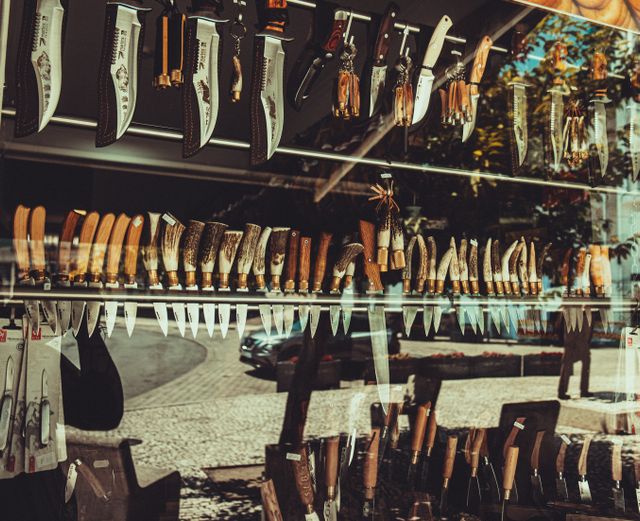
Buying knives wholesale is often the first step toward building your own knife brand. Once you understand which models sell consistently, you can move into private labeling or OEM manufacturing to create a more distinctive product line.
At Kegani, we recommend approaching this transition in three stages, depending on your budget, sales volume, and customization requirements.
Wholesale vs. Private Label vs. OEM
| Stage | What It Involves | Typical MOQ | Lead Time | Best For |
| 1. Wholesale resale | Purchase existing knives and resell them without modifying the product. | US distributors may have 100-250 order minimums; Kegani starts at 100–200 units. | Days to weeks, depending on stock and shipping | Testing demand with lower product-development risk |
| 2. Private label | Add your logo, branded packaging, or selected finishes to an existing knife design. | Typically 100–500 units per model | Production typically 30–45 days after sample approval; first orders around 8–12 weeks door to door | Launching a branded product without developing a new knife design |
| 3. OEM manufacturing | Develop your own knife design, including blade geometry, materials, mechanisms, and tooling. | Commonly 300–500+ units, depending on complexity | First project typically 18–22 weeks door to door; complex projects may take up to 6 months | Establishing a differentiated product line with greater design control |
MOQs and lead times vary by manufacturer, customization requirements, and shipping method. The private label and OEM timelines reflect Kegani’s published planning guidance.
When Should You Move to Private Label or OEM?
We generally recommend starting with wholesale resale if you’re still identifying your customers’ preferred knife styles, price points, and materials.
Once you have consistent demand, private labeling allows you to introduce your own branding using an existing design. This can include logo engraving and custom packaging without the tooling investment required for full OEM development.
Full OEM manufacturing makes more sense when you have a defined product concept that existing designs cannot satisfy. It offers greater control over blade geometry, handle construction, locking mechanisms, and materials, but requires a larger investment and more development time.
Before moving to either option, calculate whether your expected sales volume can support the higher MOQ, customization costs, and longer inventory replenishment cycle.
You can explore our private label knife service and OEM knife manufacturing service to understand what’s involved in developing your own knife line.
Buying wholesale knives from Kegani
At Kegani, we manufacture folding knives, fixed blades, and multi-tools in Yangjiang, Guangdong, China. We work with knife brands, retailers, and wholesalers looking to purchase existing designs in bulk or develop their own products.
Our wholesale MOQ starts at 100–200 units, depending on the model and order requirements. As a factory-direct manufacturer, we can also support businesses that want to move beyond stock products into private label or full OEM manufacturing.
Here’s what you can expect when working with us:
- Factory-direct manufacturing: Work directly with the manufacturer to discuss product specifications, quantities, and production requirements.
- Wholesale and customization options: Purchase existing knife models or explore logo engraving, branded packaging, and custom designs.
- Clear production planning: We confirm order quantities, specifications, pricing, and estimated lead times before production begins.
If you’re considering your first wholesale order, we recommend sharing your preferred knife styles, estimated quantities, target price range, and destination market. This helps us determine which manufacturing options are practical for your project.
You can learn more about our wholesale knife service or contact our team to discuss your requirements.
FAQs
Do I need a license to buy pocket knives wholesale?
In most regions, you don’t need a special license to purchase pocket knives wholesale, but you may need a business license or reseller permit to work with some suppliers. Always check your local and import laws, especially if you’re selling across borders.
What’s the typical minimum order quantity (MOQ) for wholesale pocket knives?
MOQs can vary by supplier. Some factories require 500+ units per model, while others like Kegani offer flexible MOQs starting as low as 50–100 units depending on the knife anatomy and customization level.
Can I customize pocket knives with my own logo or brand?
Yes. Many wholesale suppliers offer OEM or private label services. You can often add your logo to the blade or handle, and customize the packaging as well. Just be sure to ask about minimums and lead times.
What type of pocket knife sells best for new retailers?
Multifunctional EDC (Everyday Carry) knives with sleek designs, safety features, and premium materials (like D2 or VG10 steel) tend to perform well. Focus on versatile styles that appeal to outdoor users, hobbyists, and gift buyers.
Can I dropship pocket knives instead of buying in bulk?
It depends on the supplier. Some wholesalers offer dropshipping, but it’s less common for knives due to legal restrictions, age verification, and import controls. Always confirm shipping policies before choosing this model.
What kind of profit margins can I expect when reselling wholesale knives?
Margins typically range from 30% to 70%, depending on product quality, branding, and sales channel. Customized or branded knives often command higher prices and better margins than generic options.
Can I Sell Wholesale Knives on Amazon or eBay?
Yes, certain knives can be sold on Amazon and eBay, provided they comply with the platform’s current weapons policies and applicable laws.
Both marketplaces restrict particular knife types and opening mechanisms. Before purchasing inventory, check whether your exact models are eligible for listing and whether the brand permits third-party marketplace sales. Product eligibility can change, so verify it directly rather than relying on existing listings.
Can I Purchase Wholesale Knives Without a Physical Store?
Yes. Many wholesale knife suppliers work with ecommerce businesses, provided they meet the supplier’s registration and dealer requirements.
You may need to provide your business website, resale documentation, and details about where you intend to sell. Some established brands restrict purely online dealers or particular marketplaces, so confirm their policies before applying.
Can I Buy Wholesale Knives from China Without Visiting the Factory?
Yes. Many international buyers complete wholesale purchases remotely using video factory inspections, samples, written specifications, and independent quality inspections.
We recommend verifying the supplier’s business identity, reviewing production capabilities, and approving samples before making a large commitment. For substantial orders, an independent pre-shipment inspection can provide additional assurance without requiring you to visit China personally.
How Do I Protect My Knife Design from Being Copied?
Start by documenting your original designs and clarifying ownership before sharing detailed drawings with potential manufacturers.
Depending on the circumstances, protections may include confidentiality agreements, China-appropriate non-disclosure, non-use, and non-circumvention (NNN) agreements, and relevant intellectual property registrations.
We recommend consulting an IP professional familiar with your manufacturing country and intended sales markets, especially when investing in proprietary tooling or mechanisms.
What Happens If My Wholesale Knife Order Arrives Defective?
Your options depend on the supplier’s written warranty, inspection agreement, and purchase terms.
Document the affected models, quantities, and defects with photographs or videos as soon as possible. Notify the supplier within the agreed claims period and request the applicable remedy, such as replacement units, repair, or credit.
For international orders, clarify who bears return freight costs before ordering because returning an entire shipment can be expensive.
What Should I Do If a Supplier Stops Producing My Bestselling Knife?
First, ask whether the model is temporarily unavailable or permanently discontinued. If production has ended, check whether remaining inventory or a compatible replacement is available.
For private label products, confirm who owns the tooling and whether manufacturing can continue elsewhere. We recommend maintaining approved product specifications and identifying alternative models early, so you aren’t forced into a rushed substitution that disappoints existing customers.