Two factories can quote very different prices for the same folding knife design. For example, a basic 8Cr13MoV build may cost $4–8 per unit, while a premium version with M390 steel and a titanium handle can exceed $60. The difference comes down to materials, machining tolerances, heat treatment, and production requirements.
An OEM knife manufacturer produces knives according to your specifications, including blade steel, geometry, handle materials, locking mechanisms, and finishes. You control the design and branding, while the manufacturer handles engineering, tooling, production, and quality control.
Quick Facts
- Manufacturers covered: 14 across China, the US, Italy, and Japan.
- Minimum order quantities: Published figures range from 50 units to approximately 2,000 sets, depending on the manufacturer.
- Production timelines: Full OEM projects typically require 18–22 weeks, while private-label projects may take 60–90 days.
- Manufacturing costs: Approximately $4–8 per unit for budget-tier folding knives and $25–60+ for premium builds, based on Yangjiang reference ranges at roughly 500 units.
What is OEM?
An OEM (Original Equipment Manufacturer) knife manufacturer produces knives based on a brand’s original design and specifications. The brand determines the blade steel, geometry, handle, locking mechanism, and finish, while the factory manages tooling, manufacturing, assembly, and quality control.
However, you don’t always need a completely original design to launch a knife brand. Depending on your budget, customization needs, and production volume, you can choose between OEM, ODM, and private-label manufacturing.
OEM vs ODM vs Private Label Knives
| Factor | OEM | ODM | Private Label |
| Who designs it? | Your brand | Manufacturer | Manufacturer’s existing platform |
| Tooling cost | 500-5,000+ | Usually none | None to minimal |
| Typical MOQ | 300–500+ units | 100–300 units | 100–300 units |
| Lead time | 18–22 weeks | 30–90 days | 60–90 days |
| Best for | Brands developing original knife designs | Brands expanding their catalog using factory-developed designs | New brands customizing logos, finishes, and packaging |
From our perspective, private labels are usually the most practical starting point for a new knife brand. You can test demand using an established design without investing heavily in custom tooling.
OEM makes more sense once you’ve validated your product concept and need greater control over its design and specifications. For a closer look at the entry-level option, see our private-label knife manufacturing service.
OEM Knife Manufacturers at a Glance
We’ve compared 14 OEM knife manufacturers across China, the United States, Italy, and Japan. Each serves a different market, from budget-friendly EDC knives to premium folding knives and kitchen cutlery.
The table below compares their manufacturing specialties, minimum order quantities (MOQs), and lead times to help you narrow down potential suppliers.
| Manufacturer | Location | Type | MOQ | Lead Time | Best For |
| Kegani | Yangjiang, China | OEM, ODM, private label, wholesale | 100–500 units | Prototyping 2–4 weeks + mass production 45–75 days; first order door-to-door 18–22 weeks. Complex projects up to 6 months. | First-time brands scaling from stock to custom |
| LeeKnives | Yangjiang, China | OEM, ODM, sourcing | 50/model* | 30–45 days production | Kitchen, pocket, and outdoor knife lines |
| WE Knife | Yangjiang, China | Premium folding knife OEM | By quotation | By quotation | Premium folding knives at scale |
| Reate Knives | Yangjiang, China | Precision folding knife OEM | By quotation | By quotation | Collector-grade folders and limited runs |
| Bestech Knives | Yangjiang, China | Mid-to-premium EDC OEM | By quotation | By quotation | Established brands seeking EDC manufacturing |
| Kansept Knives | Yangjiang, China | Design-focused EDC OEM | By quotation | By quotation | Designer collaborations |
| Rike Knife | Yangjiang, China | Premium titanium folding knives | By quotation | By quotation | Titanium frame-lock knives |
| Kubey Knife | Yangjiang, China | Budget-to-midrange OEM | Flexible | By quotation | Small-batch EDC projects |
| Everwealth | Yangjiang, China | Kitchen knife manufacturing | 500–2,000 sets* | Around 45 days* | Kitchen knife sets at volume |
| Utica Cutlery | New York, USA | Domestic OEM manufacturing | By quotation | By quotation | US-made folding, fixed-blade, and automatic knives |
| Dauntless Manufacturing | North Carolina, USA | Fixed-blade OEM | 50 units | By quotation | Small-batch US-made fixed blades |
| RECMAN USA | Ohio, USA | OEM knives and EDC hardware | By quotation | By quotation | US-made EDC knives and accessories |
| Viper | Maniago, Italy | Premium knife |
14 OEM Knife Manufacturers (2026)
We’ve grouped these 14 OEM knife manufacturers by their manufacturing specialties and locations to make comparisons easier. Nine are based in Yangjiang, Guangdong, one of China’s major knife manufacturing hubs, where suppliers specializing in CNC machining, heat treatment, handles, and packaging operate within the same industrial cluster.
If you’re considering production in China, our guide to China knife manufacturers explains the regional manufacturing landscape in more detail.
Full-Service OEM Knife Manufacturers
These manufacturers support multiple sourcing arrangements, making them suitable for brands that want to start with existing models and gradually introduce custom designs.
1. LeeKnives
LeeKnives reports operating since 1993 and offers one of the broadest product selections in this list, covering kitchen knives, pocket knives, outdoor knives, flatware, BBQ tools, and multi-tools. Its OEM/ODM and sourcing services make it particularly relevant to retailers managing several product categories.
The company’s published mass-production timeline is 30–45 days after sample approval, although sampling and shipping can extend the overall schedule.
- Location: Yangjiang, Guangdong, China
- Type: OEM/ODM manufacturing and sourcing
- MOQ: 50 pieces per model (third-party listing)
- Lead time: 30–45 days for mass production after sample approval
- Ideal For: Wholesalers and retailers sourcing kitchen, pocket, and outdoor knives through one supplier
- Cons/Limitations: Primarily focused on practical, volume-oriented products rather than collector-grade premium builds.
2. Kegani
Kegani, the publisher of this guide, is a Yangjiang-based knife manufacturer offering three production options: wholesale stock models, private-label customization, and full OEM manufacturing. Our range includes pocket knives, fixed blades, and multi-tools, with steel options ranging from 8Cr13MoV to M390.
For custom OEM projects, we provide design-to-production support, including engineering, tooling, sampling, and production coordination.
- Location: Yangjiang, Guangdong, China
- Type: OEM/ODM factory, private label, wholesale
- MOQ: 100–500 units, depending on the project
- Lead time: Prototyping 2–4 weeks; mass production 45–75 days after sample approval and deposit. First orders typically take 18–22 weeks door to door.
- Cons/Limitations: We don’t manufacture kitchen knives. Highly complex OEM projects involving specialty steels, new tooling, or advanced machining may take up to 6 months.
Repeat orders are generally faster because tooling and samples have already been approved. We confirm the exact production and delivery schedule in each quotation before you commit.
Premium Folding and EDC Knife Manufacturers
Yangjiang also has manufacturers specializing in premium folding knives, precision machining, titanium handles, and designer collaborations.
For brands targeting enthusiasts and collectors, details such as blade centering, lock engagement, machining tolerances, and opening action become particularly important.
3. WE Knife Co.
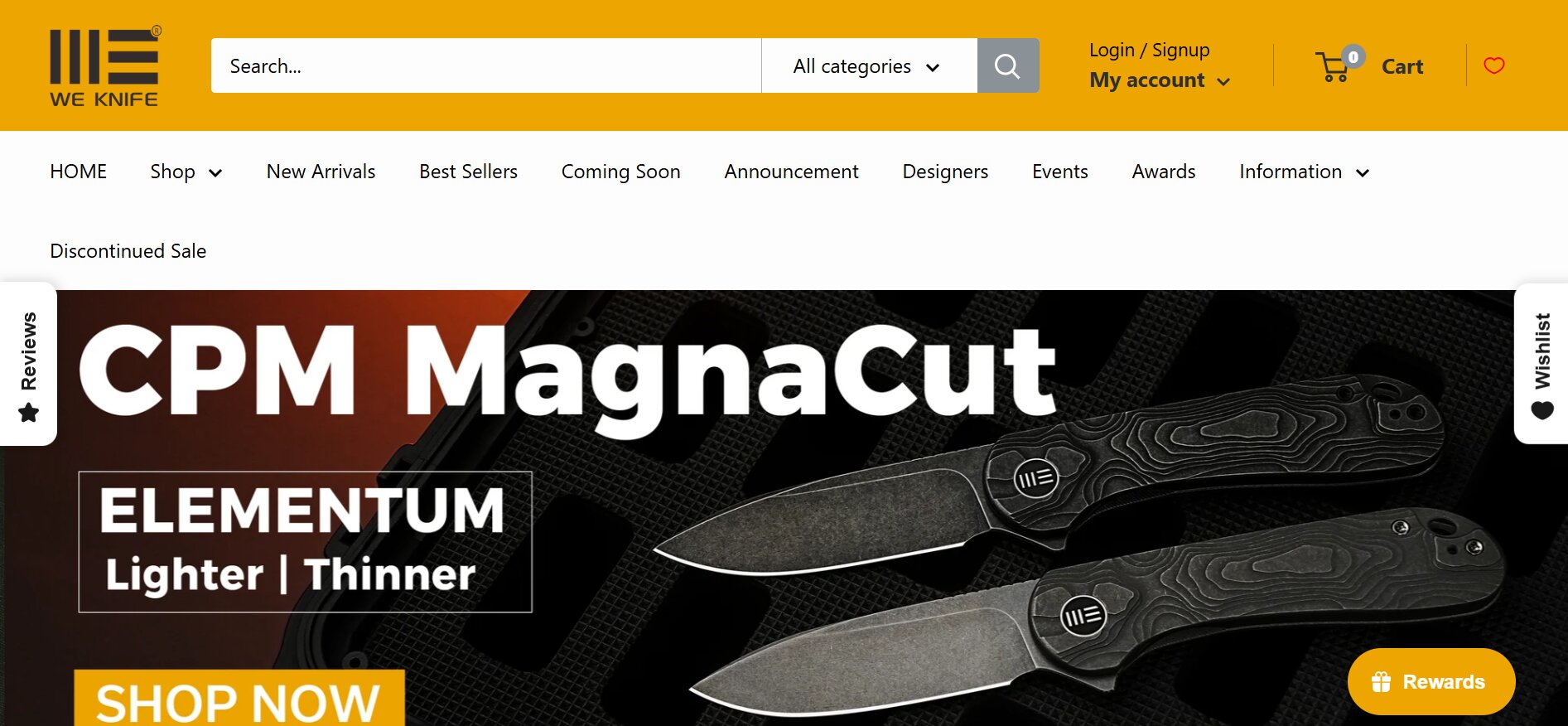
WE Knife began OEM production in 2000 before developing its own consumer brands, including WE, CIVIVI, and SENCUT. Its manufacturing background includes collaborations with designers and brands such as Gavko and Ferrum Forge.
The company specializes in premium folding knives, making it a relevant option for established brands that require consistent machining and finishing across production runs.
- Location: Yangjiang, China
- Type: OEM factory and consumer knife brand
- MOQ: Not publicly specified; request a quotation
- Lead time: Not publicly specified
- Ideal For: Established EDC brands developing premium folding knives
- Cons/Limitations: Premium manufacturing positioning can increase production costs. Buyers should confirm available OEM capacity alongside the company’s own product lines.
4. Reate Knives
Founded in 2014, Reate specializes in precision-manufactured folding knives and designer collaborations. Its emphasis on machining accuracy, blade action, and finishing makes it particularly relevant to brands developing collector-oriented products.
For these projects, we recommend agreeing on measurable tolerances and an approved production sample before manufacturing begins.
- Location: Yangjiang, China
- Type: Premium folding knife manufacturer
- MOQ: Not publicly specified
- Lead time: Not publicly specified
- Ideal For: Premium folding knives, designer collaborations, and limited-production collections
- Cons/Limitations: Its premium positioning is less suitable for brands competing primarily on low retail prices.
5. Bestech Knives
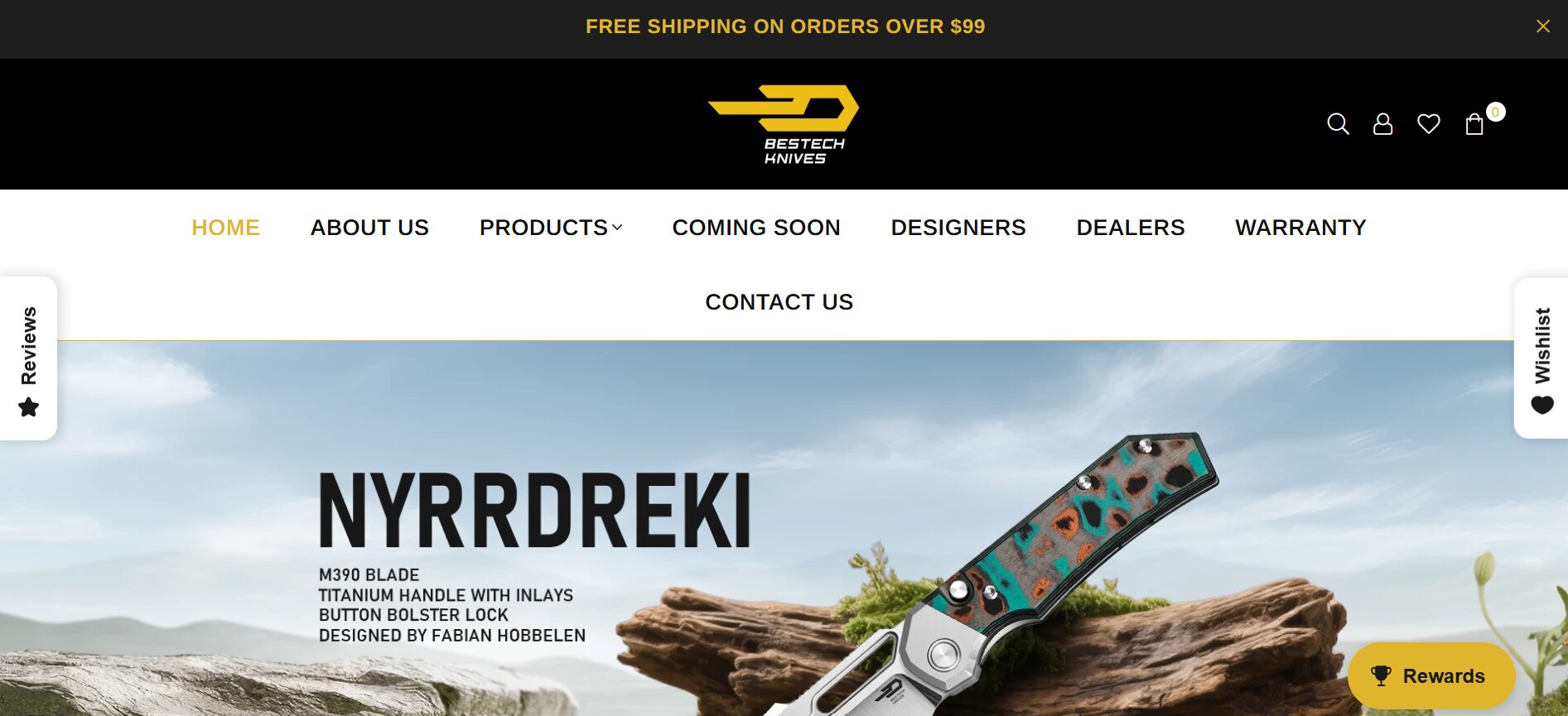
Bestech operates under Yangjiang Outdoor Winner Industries, which has documented OEM manufacturing experience for SOG and Gerber. The company specializes in mid-to-premium EDC knives, including flippers and folding designs with precision locking mechanisms.
Its experience with established brands makes Bestech worth considering when a project requires detailed specifications and repeatable production standards.
- Location: Yangjiang, China
- Type: Mid-to-premium EDC knife manufacturer
- MOQ: Not publicly specified
- Lead time: Not publicly specified
- Ideal For: EDC brands seeking an established OEM manufacturer with international brand experience
- Cons/Limitations: Public information on manufacturing terms and production timelines is limited; buyers must request project-specific details.
6. Kansept Knives
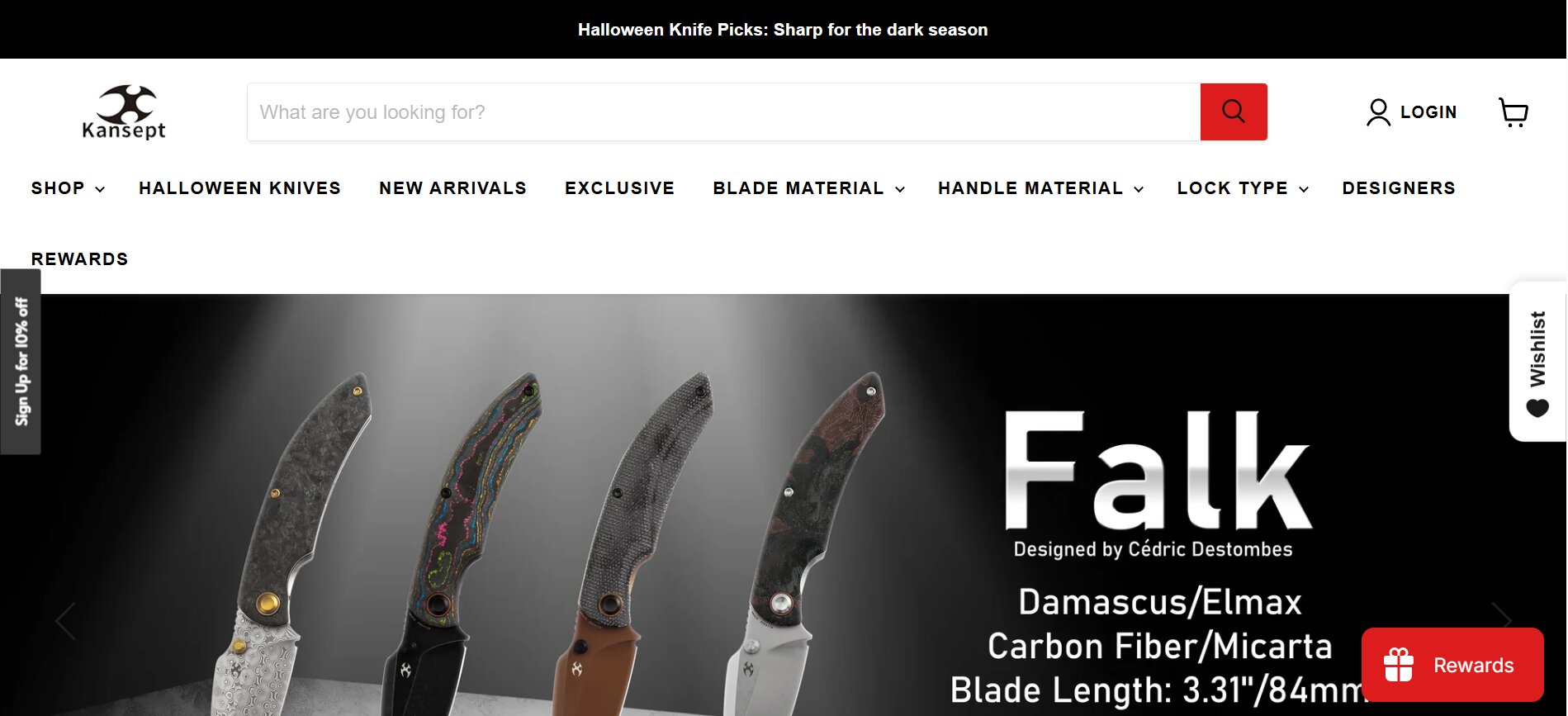
Kansept was founded in 2020 by Kim Ning, a former production manager at Kizer, and offers OEM/ODM manufacturing alongside its own knife collections. Its product range includes approximately 500 SKUs and emphasizes designer collaborations.
The company also operates Tenable, a value-oriented sub-brand, giving it experience across different EDC product positions.
- Location: Yangdong Industrial Zone, Yangjiang, China
- Type: OEM/ODM factory specializing in design-led EDC
- MOQ: Not publicly specified
- Lead time: Not publicly specified
- Ideal For: Brands developing original EDC designs or working with independent knife designers
- Cons/Limitations: Established in 2020, Kansept has a shorter operating history than several manufacturers in this category.
7. Rike Knife
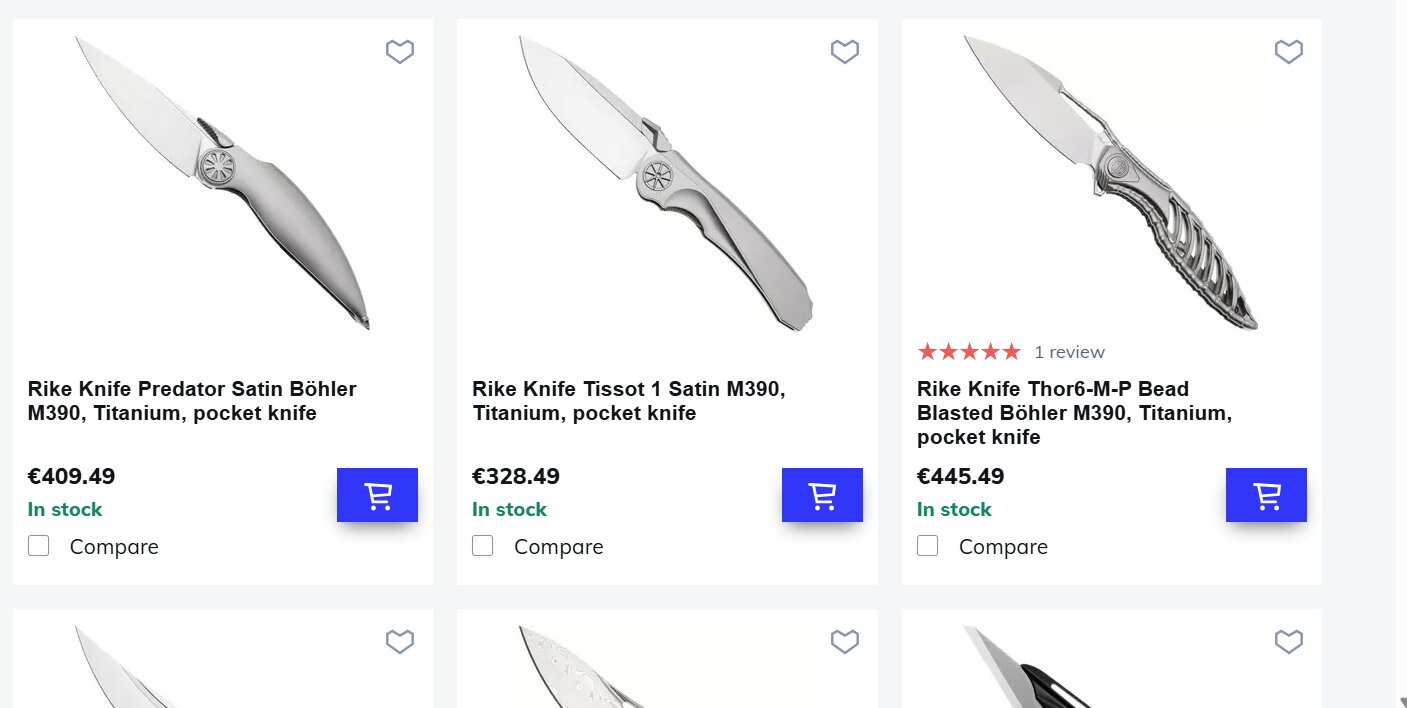
Rike Knife is a Yangjiang-based manufacturer led by founder Richard Wu, specializing in premium folding knives with titanium components. Its reported in-house capabilities include CNC machining, wire EDM, and vacuum tempering.
These processes make Rike relevant to brands developing titanium frame-lock knives and designs requiring detailed machining.
- Location: Jiangcheng District, Yangjiang, China
- Type: Premium folding knife and custom OEM manufacturer
- MOQ: Not publicly specified
- Lead time: Not publicly specified
- Ideal For: Premium titanium folding knives and collector-oriented EDC projects
- Cons/Limitations: Its specialization in premium designs may not suit entry-level price targets. MOQ and lead times require direct confirmation.
8. Kubey Knife
Kubey operates a knife manufacturing facility in Yangjiang and publishes unusually detailed production-capacity information. According to the company, its 3,000 m² facility has 22 CNC machines and more than 80 workers, with monthly capacity reaching 30,000 budget-tier knives or 6,000 high-end knives.
Its available steels include D2, 14C28N, S35VN, M390, and 20CV, supporting several price and performance categories.
- Location: Yangjiang, China
- Type: Budget-to-midrange OEM knife factory
- MOQ: Flexible, according to the company
- Lead time: Not publicly specified
- Ideal For: EDC brands exploring smaller orders or budget-to-midrange folding knives
- Cons/Limitations: Reported high-end production capacity is considerably lower than budget-tier capacity, so premium-project scheduling should be confirmed in advance.
Kitchen Knife OEM Manufacturers
Kitchen knife manufacturing involves different product specifications and production priorities from folding knives, particularly around blade geometry, corrosion resistance, handles, and food-contact requirements.
9. Everwealth
Yangdong Everwealth Industrial, established in 2009, manufactures kitchen knives, knife sets, scissors, and kitchen utensils. Its catalog focuses on kitchen products rather than pocket knives or folding EDC designs.
B2B listings indicate minimum orders of approximately 500–2,000 sets, with samples taking 5–7 days and production or delivery estimates around 45 days. The company also reports a 10,000 m² facility and approximately 150 employees.
- Location: Yangjiang, Guangdong, China
- Type: Kitchen knife and cutlery factory
- MOQ: Approximately 500–2,000 sets, based on B2B listings
- Lead time: Around 45 days; samples approximately 5–7 days
- Ideal For: Kitchenware brands and retailers sourcing private-label knife sets in volume
- Cons/Limitations: Specializes in kitchen products and does not offer a folding-knife manufacturing line.
US-Based OEM Knife Manufacturers
For brands that prioritize domestic manufacturing, the United States has established knife factories as well as smaller specialized OEM operations.
These manufacturers are worth evaluating when US origin is central to product positioning, although domestic production costs and available manufacturing capacity need careful consideration.
10. Utica Cutlery Company
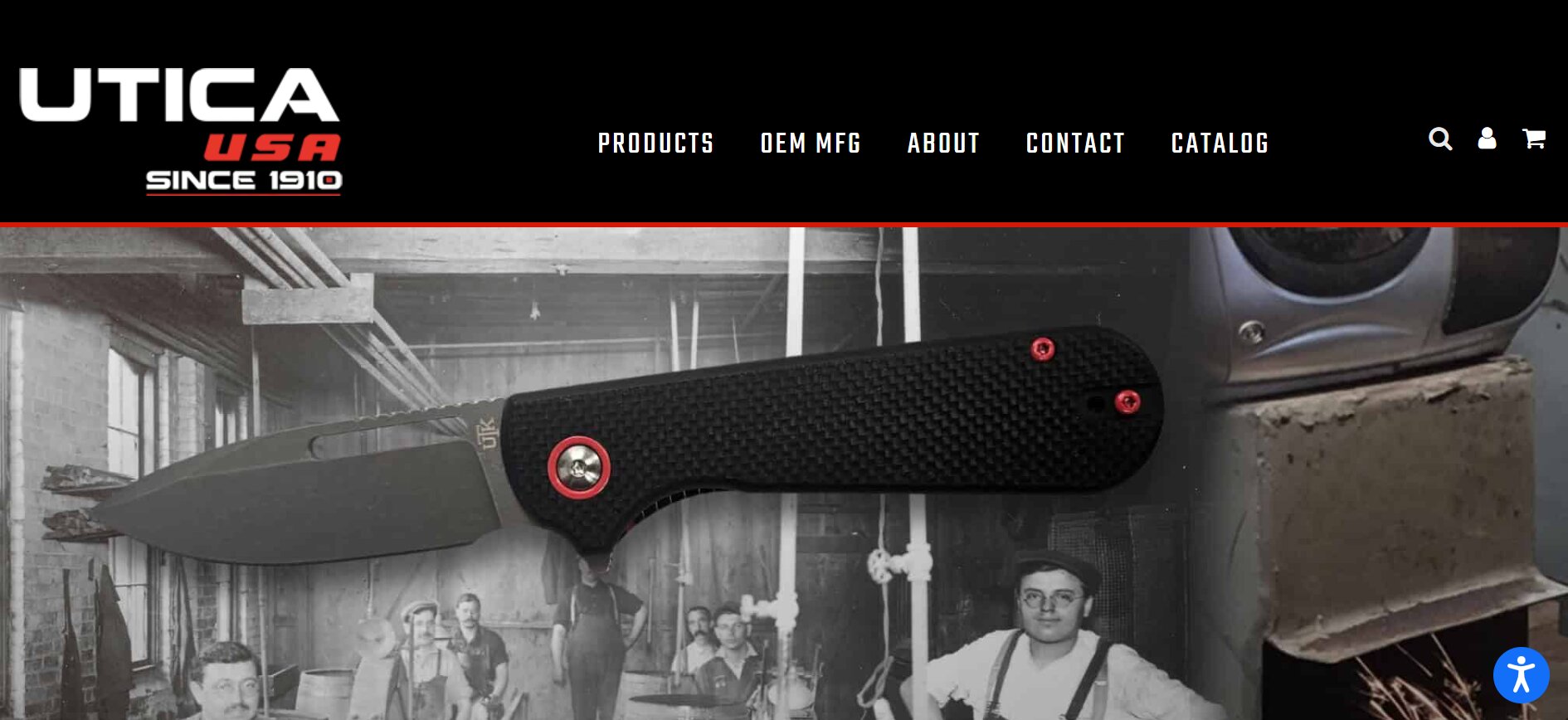
Utica Cutlery was established in 1910 and continues manufacturing knives in Utica, New York. Its OEM program covers automatic knives, slip joints, fixed blades, butterfly knives, and multi-tools, with capabilities including heat treatment, CNC grinding, Cerakote, and laser and waterjet cutting.
One distinction worth making: Steelite International acquired Utica’s Walco flatware division in 2022, but that transaction did not mean Utica’s knife manufacturing operation closed. Utica also sells imported products, so brands requiring US-made production should confirm the manufacturing origin in writing.
- Location: Utica, New York, USA
- Type: US knife factory offering OEM manufacturing
- MOQ: Not publicly specified
- Lead time: Not publicly specified
- Ideal For: Brands developing US-made folding knives, automatic knives, fixed blades, or multi-tools
- Cons/Limitations: US manufacturing typically involves higher production costs. Buyers must distinguish domestically manufactured products from imported lines.
11. Dauntless Manufacturing
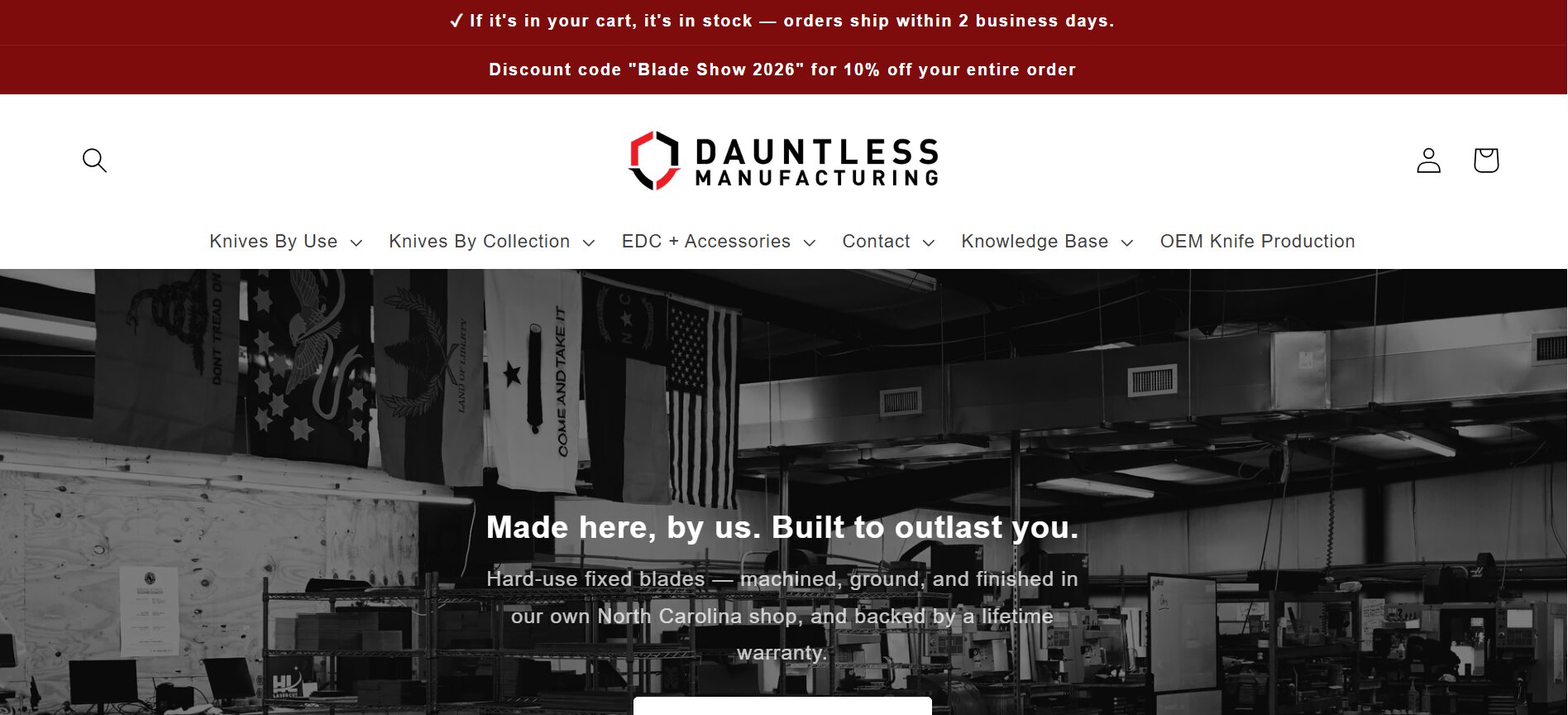
Dauntless Manufacturing is a North Carolina-based OEM facility specializing in fixed-blade knives. Its in-house operations include blade machining, heat treatment, handle fabrication, and Kydex sheath production.
The company publishes a minimum order quantity of 50 units, making it particularly relevant to smaller brands seeking domestic fixed-blade manufacturing.
- Location: Central North Carolina, USA
- Type: Fixed-blade OEM knife factory
- MOQ: 50 units
- Lead time: Not publicly specified
- Ideal For: Small-batch, US-made fixed-blade knife projects
- Cons/Limitations: Focuses exclusively on fixed blades and does not offer folding-knife manufacturing.
12. RECMAN USA
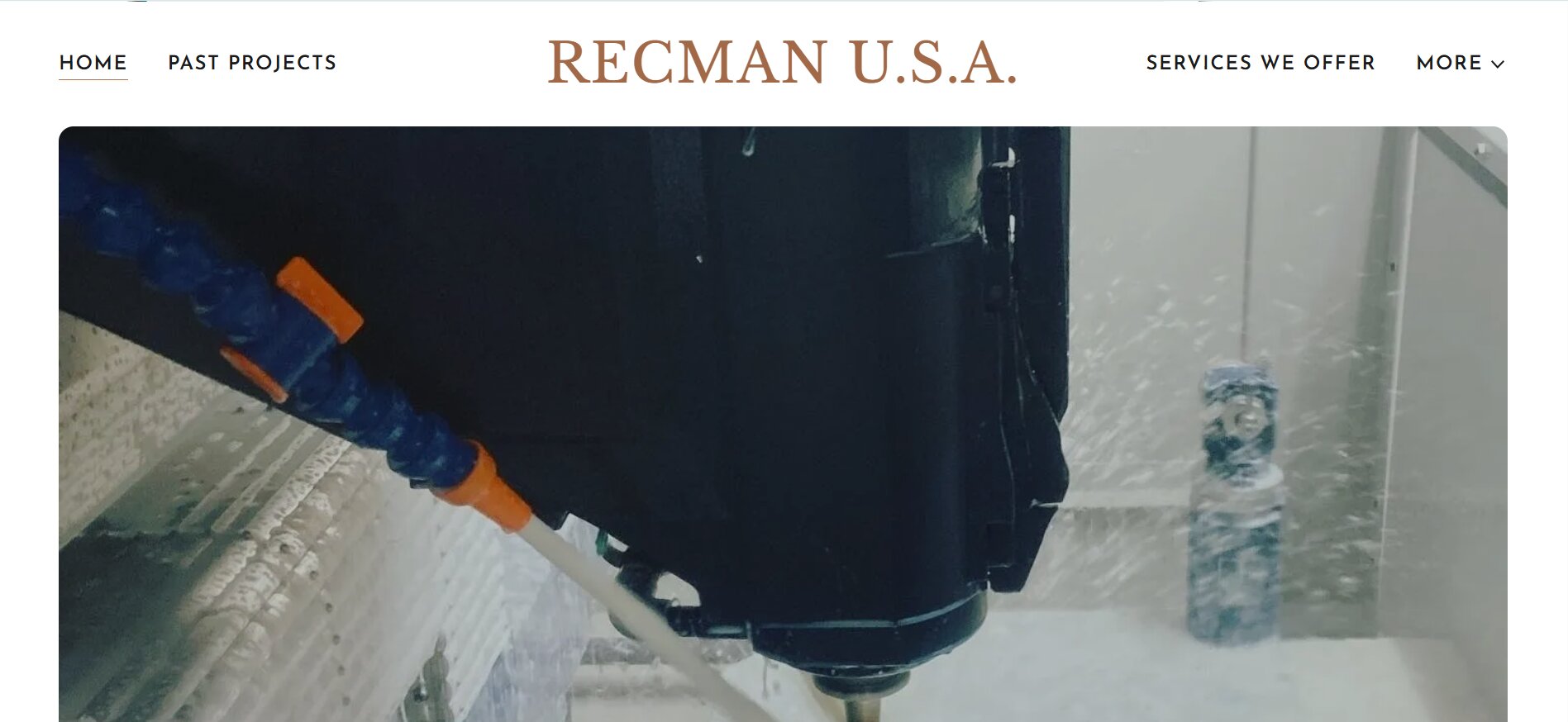
RECMAN is an OEM-focused manufacturing operation based in Hilliard, Ohio, with ties to River’s Edge Cutlery. Alongside knives, it manufactures EDC hardware such as pens, flashlight bodies, and decorative components.
Its reported in-house finishing capabilities include Cerakote, vapor honing, and laser marking, making it relevant to brands developing coordinated knife and accessory collections.
- Location: Hilliard, Ohio, USA
- Type: OEM knife and EDC hardware manufacturer
- MOQ: Not publicly specified
- Lead time: Not publicly specified
- Ideal For: US-made pocket knives, EDC products, and complementary machined accessories
- Cons/Limitations: A smaller, specialized manufacturing operation with no publicly confirmed MOQ, pricing, or production capacity.
European and Japanese OEM Knife Manufacturers
Italy and Japan have established knife-making industries that appeal to brands targeting premium retail segments.
Their manufacturing backgrounds can support country-of-origin positioning, although OEM availability, pricing, and project requirements should be confirmed individually.
13. Viper Knives
Viper is based in Maniago, Italy, and has been part of the Fox Knives group since January 2025. The manufacturer produces premium sporting and tactical knives using materials such as M390, N690, MagnaCut, Elmax, titanium, Micarta, and carbon fiber.
Viper accepts third-party manufacturing projects through partnership arrangements, making direct discussions necessary to establish production suitability.
- Location: Maniago, Italy
- Type: Premium knife manufacturer within the Fox Knives group
- MOQ: Not publicly specified
- Lead time: Not publicly specified
- Ideal For: Brands developing Italian-made sporting, tactical, or premium folding knives
- Cons/Limitations: Premium European manufacturing costs and a partnership-based OEM inquiry process.
14. G.Sakai
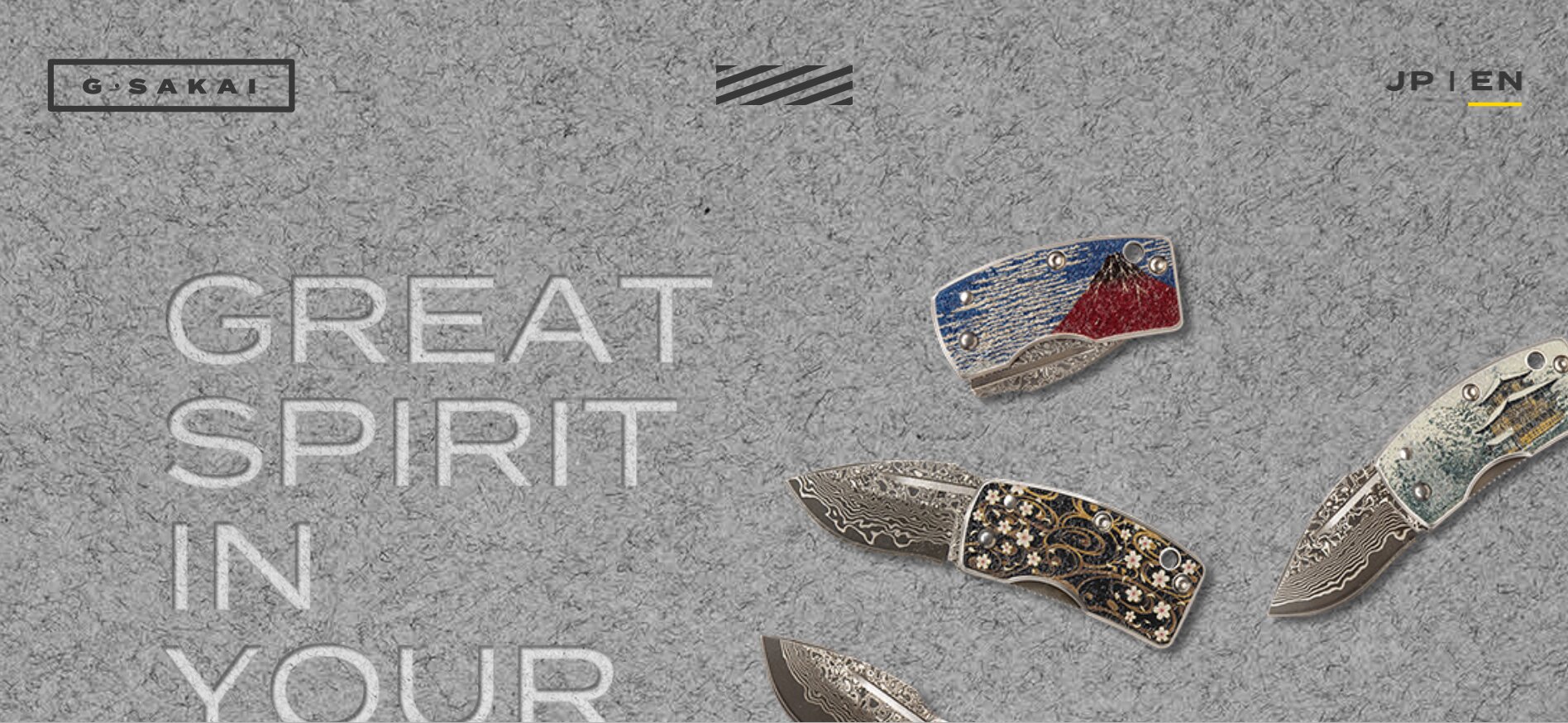
G.Sakai is a Japanese knife manufacturer based in Seki City, with manufacturing roots dating back to the mid-20th century. Its OEM history includes producing Spyderco’s original C01 Worker folding knife, alongside documented manufacturing work for brands including Al Mar, SOG, and Gerber.
The company manufactures premium folding and kitchen knives, although OEM terms are not publicly detailed and require direct inquiries.
- Location: Seki City, Gifu, Japan
- Type: Japanese knife manufacturer with OEM experience
- MOQ: Not publicly specified
- Lead time: Not publicly specified
- Ideal For: Brands seeking Japanese-made premium folding knives or kitchen knives
- Cons/Limitations: No publicly detailed OEM ordering program; MOQ, lead time, and production availability must be discussed directly.
How Much Does OEM Knife Production Cost?

OEM knife manufacturing typically costs $4–60+ per unit, depending on the blade steel, handle material, locking mechanism, and machining requirements. Custom designs also involve one-time tooling costs, which can add $500–5,000 or more to your initial investment.
To give you a realistic starting point, here are reference prices for folding knives manufactured in Yangjiang, China, based on production runs of approximately 500 units.
| Build Tier | Typical Specifications | Cost Per Unit |
| Budget | 8Cr13MoV steel, G10/FRN handle, liner lock | $4–8 |
| Mid-range | D2 or 14C28N steel, G10/Micarta handle, ball bearings | $9–18 |
| Premium | S35VN or M390 steel, titanium frame lock, precision-milled details | $25–60+ |
What Drives OEM Knife Manufacturing Costs?
From a manufacturing perspective, several factors determine what you’ll actually pay:
- Blade steel: Premium grades such as M390 and S35VN generally cost more than 8Cr13MoV or D2, both in raw material costs and processing requirements.
- Handle materials: G10 and FRN are common in budget builds, while titanium and precision-machined handles increase material and machining costs.
- Locking mechanisms: A basic liner lock generally requires less complex machining than a titanium frame lock or more intricate locking system.
- Heat treatment: Furnaces process blades in batches, so smaller orders still absorb much of the same setup and operating costs.
- Tooling and fixtures: Custom blade geometries, pivots, and grinding fixtures require upfront investment, typically around $500–5,000 for a new folding-knife design.
Tooling costs are particularly important for first-time brands. For example, a $2,000 tooling expense adds $4 per knife to a 500-unit production run, compared with $2 per knife across 1,000 units.
This is why we recommend evaluating total production cost per knife, including tooling, rather than comparing quoted unit prices alone. A manufacturer offering a lower unit price may still be more expensive overall if its tooling charges or minimum order requirements are higher.
OEM Knife MOQ and Lead Time
Most custom OEM folding-knife projects require 300–500 units per design, while private-label orders typically start at 100–300 units. Minimum order quantities (MOQs) depend on the production process, particularly heat treatment, machining setup, and tooling requirements.
Heat treatment is a major reason manufacturers set minimum order quantities. Blades are processed in furnace batches, and the cost of preparing and running a batch doesn’t decrease proportionally when fewer knives are produced.
The same applies to CNC setups and grinding fixtures. With smaller orders, these fixed production costs are spread across fewer units, increasing the cost per knife.
MOQ Requirements by Manufacturing Type
| Manufacturing Type | Typical MOQ | Expected Lead Time |
| Stock wholesale | 50–100 units | Depends on stock availability and branding requirements |
| Private label | 100–300 units | 60–90 days overall; approximately 30–45 days for mass production after sample approval |
| Full custom OEM | 300–500+ units | 18–22 weeks before international freight |
| Premium custom OEM | Often 500–1,000+ units | Project-dependent; confirm with the manufacturer |
How Long Does Custom Knife Manufacturing Take?
Full OEM knife manufacturing typically takes 18–22 weeks, as a new design must pass several development and production stages.
- Design and engineering: Finalize specifications, materials, dimensions, and manufacturing requirements.
- Prototyping: Develop and refine samples, typically requiring 4–8 weeks.
- Pre-production approval: Confirm blade geometry, hardness, locking performance, fit, and finish before authorizing mass production.
- Mass production: Complete machining, heat treatment, grinding, finishing, and assembly.
- Quality inspection: Check production units against approved specifications before shipment.
International shipping comes afterward. For sea freight, allow approximately 3–6 additional weeks, depending on the destination and shipping arrangements.
Private-label manufacturing generally takes less time because the underlying design and tooling already exist. Once samples are approved, mass production may take approximately 30–45 days.
Which Manufacturing Option Fits Your Budget?
We generally recommend matching your first order to how much demand you’ve already validated.
| Starting Budget | Suggested Approach |
| Under $3,000 | Stock wholesale, potentially with basic logo customization |
| 3,000-10,000 | Private-label knives using existing factory designs |
| 10,000-25,000 | Modified factory platforms with additional customization |
| $25,000+ | Full OEM development with original designs and tooling |
These are planning estimates rather than fixed entry requirements.
If you’re launching your first knife collection, starting with wholesale knives or private label can help you assess demand before committing to the higher MOQs and longer production schedules associated with full OEM manufacturing.
What Can You Customize in OEM Knives?
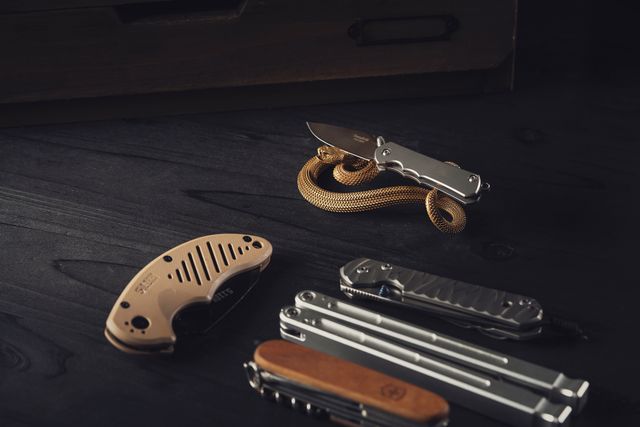
OEM knife manufacturing allows brands to customize nearly every part of a knife, from blade steel and hardness to handle materials, locking mechanisms, and blade geometry.
We recommend finalizing the steel grade, locking mechanism, and overall blade design first, as these decisions have the greatest impact on tooling requirements, manufacturing costs, and performance.
1. Blade Steel and Hardness
Blade steel affects edge retention, corrosion resistance, toughness, and manufacturing costs. Every steel also has a recommended hardness range, measured on the Rockwell C scale (HRC), which should be specified before production.
| Blade Steel | Typical HRC Target | Price Tier | Best For |
| 8Cr13MoV | 56–58 | Budget | Entry-level EDC and promotional knives |
| D2 | 59–61 | Budget–Mid | Utility knives requiring wear resistance |
| 14C28N | 58–60 | Mid | EDC folders needing corrosion resistance |
| VG10 | 59–61 | Mid–Premium | Kitchen knives and premium everyday folders |
| S35VN | 59–61 | Premium | High-performance folding knives |
| M390 | 60–62 | Premium | Collector-grade and premium EDC knives |
For budget-tier knives, our 8Cr13MoV vs D2 comparison explains the practical differences. Brands targeting premium buyers can also compare S35VN vs M390 or explore MagnaCut for applications requiring a balance of toughness and corrosion resistance.
One precaution we strongly recommend is verifying the supplied steel. Material substitution can occur, particularly with expensive grades, and a finished blade’s appearance won’t reliably reveal its composition.
Request steel mill certificates linked to material batches and arrange hardness spot checks on production samples. Remember that an HRC test verifies hardness, not steel composition, so independent material testing may also be necessary for high-value orders.
2. Handle Materials and Finishes
Handle materials influence grip, weight, appearance, and the amount of machining required.
Common OEM options include:
- G10: Durable, dimensionally stable, and suitable for textured EDC handles. Read our G10 handle guide.
- Micarta: Offers a textured grip and is commonly used for outdoor and utility knives.
- Aluminum: Lightweight and suitable for anodized color finishes.
- Titanium: Popular for premium folding knives, particularly frame-lock designs requiring precision machining.
- Carbon fiber: Offers low weight and a distinctive appearance, generally at a higher material cost.
- Wood: Provides a traditional finish for hunting knives, fixed blades, and premium collections.
For brands planning multiple color variants, we’d suggest using an established handle material and machining pattern initially. Introducing several new handle designs can increase tooling requirements and complicate production planning.
3. Locking and Opening Mechanisms
The locking mechanism affects how the knife operates, its safety characteristics, and the precision required during assembly.
| Lock Type | Common Application | Manufacturing Consideration |
| Liner lock | Budget-to-midrange EDC folders | Requires consistent lock engagement and liner geometry |
| Frame lock | Premium titanium folders | Requires precise frame machining and lock-face fitting |
| Crossbar lock | Ambidextrous EDC knives | Spring tension, bar alignment, and tolerances require careful control |
| Button lock | Modern everyday folders | Button engagement and release consistency are critical |
| Slip joint | Traditional pocket knives | Spring tension and blade retention must be consistent |
Crossbar and button-lock mechanisms can be particularly demanding because multiple moving components must function consistently across the production run.
Automatic opening mechanisms introduce additional compliance considerations. If you’re developing one, review our guide to automatic knives and confirm applicable restrictions in your target market before approving tooling.
4. Blade Shapes and Geometry
Blade shape determines how a knife performs in different cutting applications. It also affects grinding requirements and, for original designs, the fixtures needed during manufacturing.
Three common OEM blade shapes are:
- Drop point: A versatile option for everyday carry, hunting, and general utility.
- Tanto: Features an angular tip geometry often used in tactical-style knives.
- Sheepsfoot: Offers a relatively straight cutting edge suited to controlled utility cutting.
Beyond the overall shape, we recommend specifying blade thickness, edge geometry, grind type, and finishing requirements.
For example, two knives using the same D2 steel can perform differently if one has a thick blade with a robust edge and the other uses thinner geometry optimized for slicing.
Our guide to knife blade shapes covers additional designs and their applications.
Before approving mass production, make sure your manufacturer provides a pre-production sample with the agreed steel, hardness, handle material, locking mechanism, and blade geometry. These specifications should become part of your approved production standard and quality-control checklist.
How to Verify a Knife Factory Before Paying
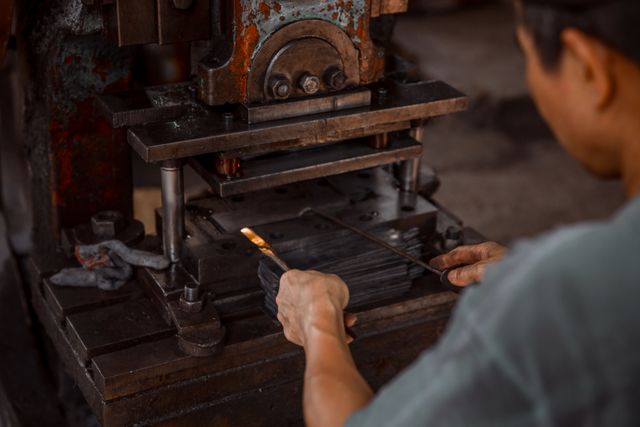
Before paying a deposit to an OEM knife manufacturer, verify its manufacturing capabilities, quality-control procedures, and legal identity. Many suppliers advertise themselves as factories, even when they outsource production to third parties.
Trading companies aren’t necessarily unreliable, but you need to know who actually manufactures your knives and who is responsible when something goes wrong.
5 Steps to Verify an OEM Knife Factory
1. Request a live factory walkthrough
Ask the supplier to show you its production floor during a video call. Look for CNC machines, grinding equipment, assembly stations, and heat-treatment operations.
Some legitimate factories outsource specialized processes, so the key is understanding which production stages they control directly.
2. Verify the business license
Request the manufacturer’s Chinese business license and check its registered company name, address, and business scope.
For Chinese suppliers, look for manufacturing-related activities (生产 or 制造) in the original Chinese document. You can cross-check registration details through China’s National Enterprise Credit Information Publicity System.
3. Evaluate their engineering knowledge
Send a technical drawing and ask for feedback on blade geometry, steel selection, machining tolerances, and lock design.
An experienced manufacturing team should identify potential production difficulties and explain how proposed changes would affect costs or performance. Generic answers without technical explanations warrant further investigation.
4. Request material documentation
Ask for steel mill certificates and material batch records, particularly when ordering premium grades such as M390 or S35VN.
We also recommend confirming whether heat treatment is performed in-house or outsourced, and how the manufacturer tracks material batches throughout production.
5. Check their product specialization
Review the manufacturer’s catalog, equipment, and examples of completed work.
A factory specializing in folding knives should be able to explain its processes for pivot machining, blade centering, lock engagement, and assembly. Suppliers offering unrelated products across many industries may be sourcing through multiple factories.
For more context on these production stages, read our guide on how knives are made.
Always Approve a Pre-Production Sample
Once you’ve verified the supplier, don’t authorize mass production based solely on drawings or photographs.
We recommend following this sampling process:
- Initial prototype: Evaluate the knife’s design, dimensions, materials, and mechanical function.
- Revisions: Correct any issues with blade geometry, lock engagement, handle fit, or finishing.
- Pre-production (PP) sample: Request a sample made using the intended production materials, tooling, and processes.
- Golden sample approval: Sign off on the final sample and use it as the reference standard for mass production.
Before shipment, arrange a pre-shipment inspection (PSI) using an agreed sampling plan, such as AQL 2.5 for major defects.
AQL 2.5 is an acceptance-quality-limit sampling standard, not permission for 2.5% defective knives. The inspection should separately define critical defects, particularly unsafe locking mechanisms, and establish clear pass/fail criteria.
Third-party inspection providers such as SGS and Intertek may charge approximately $300–500 per visit, depending on the inspection scope and location.
Protect Your Designs and Intellectual Property
If you’re developing an original knife design, establish ownership and confidentiality requirements before sharing complete technical specifications.
For manufacturers in China, we recommend considering three protections:
- NNN agreement: Use a properly drafted non-disclosure, non-use, and non-circumvention agreement suited to Chinese law and enforcement. This helps address unauthorized manufacturing, disclosure, or use of your designs.
- Trademark registration: China generally operates a first-to-file trademark system, so consider securing your brand name before production or market entry.
- Design and tooling ownership: Specify who owns custom drawings, molds, fixtures, and tooling, whether the factory can reuse them, and what happens if you change manufacturers.
For particularly valuable designs or mechanisms, consult an IP professional about appropriate patent protection and contract terms.
We recommend getting these agreements finalized before paying for custom tooling. Otherwise, moving production to another manufacturer later may become expensive or difficult.
Manufacture Your Knife Line with Kegani
At Kegani, we help brands work through design specifications, prototyping, material selection, and production requirements before manufacturing begins.
Whether you’re developing a custom folding knife or expanding an existing product range, we can help you evaluate the manufacturing approach that fits your project.
Contact Kegani to Discuss Your Knife Project
FAQs
Can I order different knife designs under one MOQ?
Usually, manufacturers calculate minimum order quantities per design or SKU, especially when different knives require separate tooling, blade geometries, or manufacturing setups.
For example, ordering 500 knives across five different designs may not satisfy a factory’s 500-unit MOQ if each design requires separate production.
However, manufacturers may allow multiple handle colors or branding variations within one order when the underlying components remain unchanged. Ask whether the MOQ applies per design, color, or total order quantity before requesting a quotation.
What information should I include in an OEM knife RFQ?
A knife manufacturing request for quotation (RFQ) should include enough technical details for suppliers to estimate production requirements accurately.
We recommend including:
Knife type and intended application
Blade steel, hardness target, and dimensions
Handle material and locking mechanism
Surface finish and branding requirements
Estimated quantity per design
Packaging specifications
Target delivery date and destination
Attach technical drawings or reference images where available. The more complete your RFQ, the easier it becomes to compare quotations without overlooking differences in materials, tooling, or manufacturing scope.
Can an OEM manufacturer improve my original knife design?
Yes. An experienced OEM knife manufacturer can review your design for manufacturability and suggest adjustments to improve production consistency or reduce unnecessary costs.
For example, modifying a complicated handle contour may reduce CNC machining time without significantly changing the knife’s appearance. Similarly, adjusting pivot geometry or component tolerances may improve assembly consistency.
We recommend discussing these changes before tooling begins, since modifying an approved design during production can involve additional expenses and delays.
Who owns the knife design after OEM manufacturing?
Design ownership depends on your intellectual property rights and manufacturing agreement. Paying a factory to develop a knife does not automatically establish exclusive ownership of every drawing, component, or manufacturing process.
Your agreement should clarify ownership of original designs, CAD files, custom tooling, and any improvements developed during production.
We also recommend specifying whether the manufacturer can sell the same design to other customers. This is especially relevant when your knife incorporates components or mechanisms already used in the factory’s existing product range.
Can I combine different blade steels in one production order?
Yes, some manufacturers can produce multiple steel variants, but each material may require separate heat-treatment parameters, processing schedules, and quality checks.
For example, producing D2 and 14C28N versions of the same folding knife introduces additional manufacturing requirements even when the handle and locking mechanism remain unchanged.
We generally recommend starting with one steel grade for an untested design. Once you’ve established consistent production quality and customer demand, additional steel options become easier to evaluate.
What happens if my OEM knife prototype fails testing?
If a prototype fails to meet your approved specifications, the manufacturer should identify the cause and agree on corrective actions before proceeding.
Problems such as inconsistent lock engagement, poor blade centering, or incorrect dimensions may require changes to machining tolerances, component design, or assembly procedures.
Ask your manufacturer to document the issue, proposed correction, and cost of additional sampling. Your initial agreement should also establish who pays for revisions caused by manufacturing errors versus changes requested by your brand.
Can OEM knife manufacturers handle custom packaging?
Yes, many OEM manufacturers can coordinate packaging such as branded boxes, protective sleeves, inserts, and product labels.
Packaging should be included in the initial quotation because materials, printing requirements, and assembly can affect total order costs.
We recommend requesting a physical packaging sample alongside your approved knife sample. Check that the packaging protects the knife during transportation and accommodates any product information, warnings, or labeling required in your target market.
How do I prevent quality differences between production batches?
Consistent production begins with maintaining the same approved specifications, materials, and inspection requirements across repeat orders.
We recommend retaining an approved reference sample and documenting measurable requirements such as blade hardness, dimensions, lock engagement, and finishing standards.
For subsequent orders, ask whether material suppliers, machining processes, or production equipment have changed. Any significant change should trigger additional sample approval.
Keeping inspection records from each production batch also makes it easier to identify recurring defects and determine whether corrective actions have been effective.
What should I do if a bulk knife order arrives defective?
Start by documenting the defects and comparing the affected knives against your approved specifications and reference sample.
Separate cosmetic problems from functional defects, particularly those involving lock engagement, blade retention, or other safety-related components.
Notify the manufacturer with photographs, inspection records, affected quantities, and relevant batch information. Depending on your contract and the nature of the defects, possible remedies include replacement units, reworking, credits, or refunds.
We recommend agreeing on defect classifications, acceptance criteria, and corrective-action responsibilities before production begins.
When should I reorder OEM knives to avoid stockouts?
Start planning your next production run before your remaining inventory reaches the amount you expect to sell during manufacturing and replenishment.
For example, if your factory requires several months for production, your reorder point should account for manufacturing, international shipping, customs clearance, and a reasonable contingency.
We recommend reviewing actual sales velocity rather than relying entirely on your original forecast. For seasonal products or newly launched collections, confirm available production capacity with your manufacturer before committing to promotional campaigns or retailer delivery dates.