SG2 steel (also called R2) is a premium Japanese powder metallurgy stainless steel developed by Takefu Special Steel Co., Ltd. in Echizen, Japan. With a hardness of 62–64 HRC and an ultra-fine carbide structure, SG2 delivers exceptional edge retention and full stainless corrosion resistance, making it the preferred steel for high-end kitchen knives worldwide.
Quick Facts: SG2 Steel
| Attribute | Detail |
|---|---|
| Full Name | Super Gold 2 (SG2) |
| Alternative Names | R2 (Kobelco), SGPS, MC66 (Miyabi) |
| Manufacturer | Takefu Special Steel Co., Ltd. (Japan) |
| Hardness | 62–64 HRC |
| Carbon Content | 1.25–1.45% |
| Chromium Content | 14–16% |
| Manufacturing Process | Powder Metallurgy (PM) |
| Best For | Professional chef knives, precision slicing, high-end cutlery |
| Corrosion Resistance | Fully stainless |
What Is SG2 (R2) Steel?
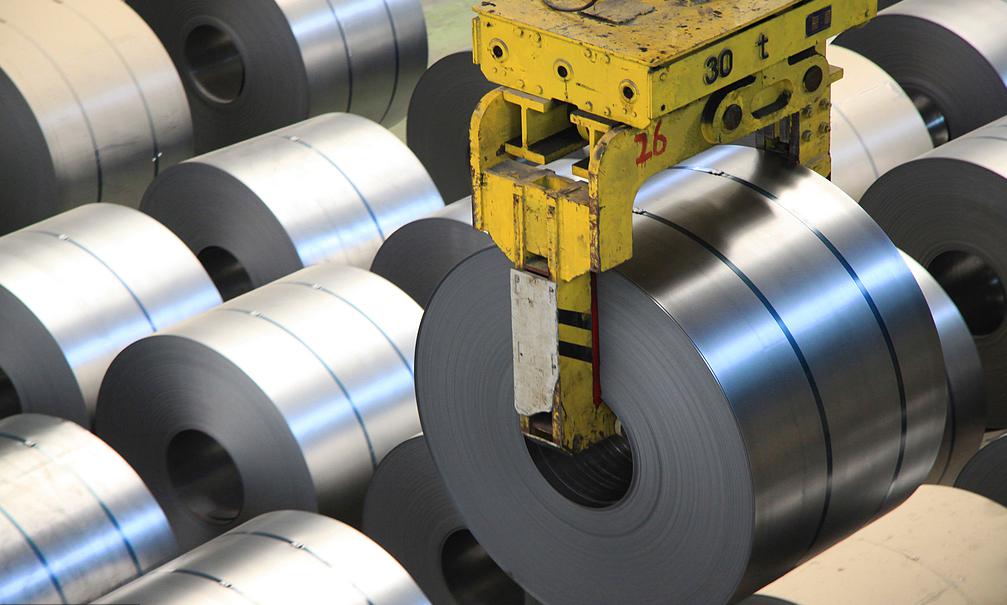
SG2 was developed by Takefu Special Steel in Echizen, Japan—one of the country’s premier knife steel producing regions. The steel was released to the market in 1991 after its predecessor, SG1, was discontinued. Takefu designed SG2 specifically to meet the demands of professional kitchen knives: a steel that could achieve carbon-steel-like sharpness and edge retention while remaining completely stainless and low-maintenance.
The “Super Gold” name reflects its position at the top of Takefu’s product hierarchy. While conventional steels were already serving the kitchen knife market, SG2 represented a leap forward through powder metallurgy—a manufacturing process that was still relatively novel in cutlery applications at the time.
Today, SG2 remains a benchmark for premium Japanese kitchen knives. It is favored by blacksmiths in Echizen, Seki, and Sakai who demand consistent batch performance and the ability to grind extremely thin edges without sacrificing toughness.
SG2 Steel Composition & Powder Metallurgy
Chemical Composition
| Element | Percentage | Function |
|---|---|---|
| Carbon (C) | 1.25–1.45% | Provides hardness and carbide formation for edge retention |
| Chromium (Cr) | 14.00–16.00% | Creates stainless properties and wear-resistant chromium carbides |
| Molybdenum (Mo) | 2.30–3.30% | Boosts corrosion resistance, tensile strength, and hardenability |
| Vanadium (V) | 1.80–2.20% | Forms extremely hard vanadium carbides; dramatically improves wear resistance |
| Cobalt (Co) | ~1.50% | Helps maintain hardness at high temperatures during heat treatment |
| Silicon (Si) | ~0.50% | Removes oxygen and increases strength |
| Manganese (Mn) | ~0.40% | Improves wear resistance and hardenability |
Why Powder Metallurgy Matters
Conventional steels are melted and cast into ingots. During solidification, carbides form uneven clusters that create weak points in the blade. Powder metallurgy changes this entirely.
In the PM process, molten steel is atomized into fine powder under 1 mm. This powder is compressed under extreme pressure and sintered at high temperature. The result is a remarkably fine, uniform carbide structure that conventional casting cannot achieve:
- Ultra-fine grain structure — carbides distribute evenly without clustering
- Higher achievable hardness without the brittleness typical of conventionally cast high-carbon steels
- Better edge stability and reduced micro-chipping under lateral stress
- Thinner edge geometry possible behind the cutting edge
This is why SG2 knives are often called “lasers” — they glide through ingredients with minimal resistance while maintaining edge integrity far longer than ingot steels like VG10.
SG2 Steel Equivalents: R2, SGPS & MC66
One of the most common points of confusion around SG2 is its many names. Here is the definitive breakdown:
| Name | Source / Brand | Notes |
|---|---|---|
| SG2 | Takefu Special Steel | Official designation; most common name in the knife industry |
| R2 | Kobelco (Kobe Steel) | Same chemical composition; sold to manufacturers under R2 branding |
| SGPS | Takefu Special Steel | Abbreviation for “Super Gold Powder Steel” |
| MC66 | Miyabi (Zwilling) | Proprietary branding for SG2/R2 used in Miyabi Birchwood and Black series |
Are they different? No. SG2, R2, SGPS, and MC66 refer to the same powder metallurgy stainless steel with identical composition and performance. The difference is purely branding—some blacksmiths and manufacturers prefer one designation over another.
Key Properties of SG2 Steel
As shown in the Quick Facts card, SG2 reaches 62–64 HRC and delivers top-tier performance across hardness, edge retention, toughness, and corrosion resistance. Here is what each property means in practice for knife buyers and manufacturers.
1. Hardness
SG2 achieves 62–64 HRC on the Rockwell scale. This high hardness allows the steel to take and hold an extremely fine edge at thin angles (as low as 10–12 degrees per side). The carbon and vanadium content work together to form hard carbides that resist deformation during heavy cutting.
2. Edge Retention
Thanks to its powder metallurgy process and high vanadium content, SG2 offers exceptional edge retention. In professional kitchen testing, SG2 knives often hold a working edge 1.5 to 2 times longer than VG10 under the same cutting conditions. This translates to weeks between sharpening sessions for busy chefs.
3. Toughness
While harder steels are generally more brittle, SG2 defies this rule to an extent. The uniform carbide distribution from powder metallurgy distributes stress more evenly than traditional ingot steels. This means SG2 is actually less prone to large chips than many lower-hardness stainless steels when used with proper technique on wood or synthetic boards.
4. Corrosion Resistance
With 14–16% chromium and 2.3–3.3% molybdenum, SG2 is fully stainless. It performs well in humid, salty kitchen environments without developing rust. However, “stainless” does not mean “stain-proof” — hand-washing and drying after use remain essential.
5. Sharpenability
Despite its hardness, SG2 is not excessively difficult to sharpen. The fine grain structure takes a keen edge relatively quickly compared to other super steels like ZDP-189. Most users find it easier to sharpen than HAP40 and comparable to S35VN on quality waterstones.
6. Wear Resistance
SG2 performs well under both adhesive and abrasive wear conditions. The high volume of vanadium carbides creates a matrix that resists dulling from repeated contact with cutting boards, proteins, and vegetables.
Industry Note: Kegani supplies SG2 and equivalent powder metallurgy kitchen knives to restaurant-supply and culinary retail OEMs in North America and Europe. Most requested spec: SG2/R2 or 14C28N steel, 210mm gyuto or 180mm santoku, wa-handle or Western handle configuration.
Start Working with a Professional Now
What Is SG2 Steel Used For?
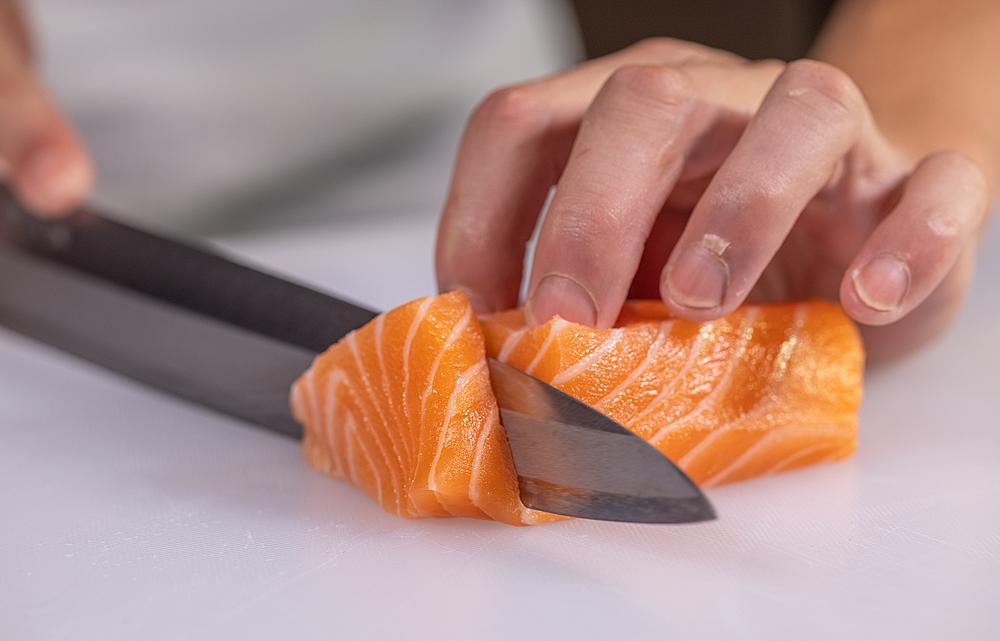
Professional Kitchen Knives
SG2 dominates the premium Japanese kitchen knife market. Its ability to hold a razor-thin edge makes it ideal for:
- Gyuto (chef knives) — all-purpose slicing and dicing
- Santoku — vegetables, fish, and meat
- Petty knives — detailed prep work and trimming
- Sujihiki — slicing cooked meats and fish
- Nakiri — vegetable prep
High-End Folding Knives
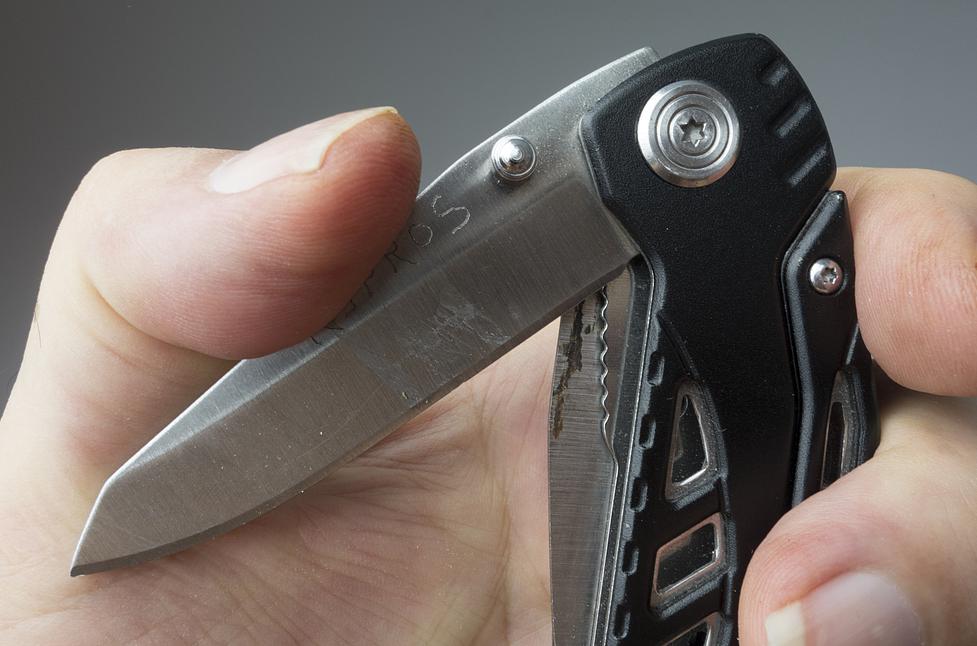
While less common than in kitchen cutlery, some premium folding knives and fixed-blade knives use SG2 for collectors and enthusiasts who value edge retention in compact packages.
Specialty Cutlery
- Boning knives — clean separation of meat from bone
- Filleting knives — precise fish butchery
- Carving knives — thin, even slices of roast meats
For OEM clients, Kegani produces custom kitchen knife lines in SG2/R2 with Damascus cladding or kurouchi finishes for premium private-label collections.
SG2 vs VG10: Detailed Comparison
VG10 and SG2 are both Japanese stainless steels developed by Takefu Special Steel, but they serve different tiers of the market.
| Property | SG2 | VG10 | Impact |
|---|---|---|---|
| Hardness (HRC) | 62–64 | 60–61 | SG2 holds a thinner, sharper edge longer |
| Edge Retention | ⭐⭐⭐⭐⭐ | ⭐⭐⭐⭐ | SG2 lasts 1.5–2x longer between sharpening |
| Toughness | ⭐⭐⭐⭐ | ⭐⭐⭐ | SG2 resists micro-chipping better thanks to PM structure |
| Corrosion Resistance | ⭐⭐⭐⭐⭐ | ⭐⭐⭐⭐⭐ | Both fully stainless; minimal practical difference |
| Ease of Sharpening | ⭐⭐⭐ | ⭐⭐⭐⭐ | VG10 is more forgiving on standard waterstones |
| Price Tier | Premium | Mid-range | SG2 adds 30–60% to blade cost |
30-Second Decision Guide
Choose SG2 if you want maximum edge performance, minimal sharpening frequency, and a true “laser” cutting experience. Ideal for professional chefs and serious enthusiasts.
Choose VG10 if you want excellent performance at a lower cost with easier maintenance. Ideal for home cooks, entry-to-mid level lines, and mass-market retail.
Industry Note: Kegani offers both SG2 and VG10 kitchen knife OEM lines. VG10 provides a cost-optimized entry point at competitive MOQ; SG2 commands premium positioning with 45–60 day lead times.
Start Working with a Professional Now
SG2 vs Aogami Super (Blue Super Steel)
Aogami Super (also called Blue Super Steel) is a high-carbon steel developed by Hitachi. It is the most common comparison point for SG2 among serious knife buyers.
| Property | SG2 | Aogami Super | Impact |
|---|---|---|---|
| Hardness (HRC) | 62–64 | 64–66 (up to 68) | Aogami Super can run slightly harder |
| Edge Retention | ⭐⭐⭐⭐⭐ | ⭐⭐⭐⭐⭐ | Similar top-tier performance |
| Corrosion Resistance | ⭐⭐⭐⭐⭐ (stainless) | ⭐⭐ (carbon steel) | SG2 requires zero rust prevention |
| Ease of Sharpening | ⭐⭐⭐ | ⭐⭐⭐⭐⭐ | Aogami Super sharpens faster on stones |
| Maintenance | Wash and dry | Dry immediately + oil occasionally | SG2 is maintenance-free |
| Cutting Feel | Clinical, precise | Tactile, “alive” on the board | Personal preference |
The Bottom Line
SG2 and Aogami Super deliver comparable edge performance, but their ownership experience differs fundamentally. SG2 is the pragmatic choice for busy kitchens and humid environments where rust prevention is impractical. Aogami Super rewards enthusiasts who enjoy sharpening rituals and patina development.
For B2B buyers, SG2 is the safer wholesale bet — it eliminates customer complaints about rust while delivering elite performance.
SG2 vs MagnaCut
CPM MagnaCut is the newest “super steel” developed by Crucible Industries. It has generated significant buzz for achieving stainless corrosion resistance with toughness previously unseen in powder steels.
| Property | SG2 | MagnaCut | Impact |
|---|---|---|---|
| Hardness (HRC) | 62–64 | 61–63 | SG2 reaches higher peak hardness |
| Edge Retention | ⭐⭐⭐⭐⭐ | ⭐⭐⭐⭐ | SG2 holds a working edge slightly longer |
| Corrosion Resistance | ⭐⭐⭐⭐⭐ | ⭐⭐⭐⭐⭐+ | MagnaCut is nearly rust-proof in salt spray tests |
| Toughness | ⭐⭐⭐⭐ | ⭐⭐⭐⭐⭐ | MagnaCut resists chipping better |
| Ease of Sharpening | ⭐⭐⭐ | ⭐⭐⭐⭐ | MagnaCut is easier on diamonds and ceramics |
| Origin / Cost | Japanese import | American PM steel | Both premium; SG2 has stronger kitchen pedigree |
Which Should You Stock?
SG2 remains the kitchen knife standard. Professional Japanese knife enthusiasts prefer its higher hardness and more surgical edge for delicate slicing. MagnaCut is gaining traction in outdoor and EDC markets where toughness and corrosion resistance matter most.
For kitchen-focused product lines, SG2 currently offers stronger brand recognition and customer demand.
SG2 vs ZDP-189
ZDP-189 is another Japanese powder metallurgy super steel, but it pushes the boundaries even further than SG2.
| Property | SG2 | ZDP-189 | Impact |
|---|---|---|---|
| Hardness (HRC) | 62–64 | 64–67 | ZDP-189 is harder and more wear-resistant |
| Edge Retention | ⭐⭐⭐⭐⭐ | ⭐⭐⭐⭐⭐+ | ZDP-189 stays sharp longer under abrasive use |
| Toughness | ⭐⭐⭐⭐ | ⭐⭐ | ZDP-189 is significantly more brittle |
| Corrosion Resistance | ⭐⭐⭐⭐⭐ | ⭐⭐⭐ | ZDP-189’s 3% carbon reduces free chromium |
| Ease of Sharpening | ⭐⭐⭐ | ⭐⭐ | ZDP-189 requires diamond plates or CBN abrasives |
| Availability | Moderate | Rare | ZDP-189 knives are often handmade and expensive |
Verdict: ZDP-189 offers the absolute ultimate in edge retention but demands expert sharpening skills and careful use. SG2 provides 90% of the performance with far greater practicality for daily kitchen use.
SG2 vs Ginsan, HAP40 & S35VN
SG2 vs Ginsan (Silver #3 / Gingami No.3)
Ginsan is a Japanese stainless steel developed by Hitachi as a “carbon-like” stainless option. It is softer than SG2 (approximately 58–60 HRC), easier to sharpen, and more affordable. However, it lacks SG2’s edge retention and wear resistance. For budget-conscious lines, Ginsan is a solid alternative; for premium positioning, SG2 wins decisively.
SG2 vs HAP40
HAP40 is a semi-stainless powder tool steel (HRC 64–66) that offers edge retention surpassing SG2. However, its 4% chromium content means it develops patina and can rust if neglected. It is also harder to sharpen and more brittle under lateral force. SG2 remains the better all-round choice for most cooks because it pairs strong edge retention with full stain resistance.
SG2 vs S35VN
S35VN is an American powder metallurgy stainless steel (HRC 58–61) popular in folding knives and outdoor blades. It offers superior toughness and good corrosion resistance but cannot match SG2’s hardness or kitchen-specific edge geometry. S35VN is ideal for EDC and tactical lines; SG2 dominates kitchen cutlery.
Popular SG2 Knife Brands and Models
Premium Production Lines
Miyabi Birchwood Series (Zwilling)
Features a 101-layer Damascus cladding over an SG2 core (branded as MC66), hardened to 63 HRC. The Birchwood handle uses natural Masur birch with a stainless steel bolster. This series represents the pinnacle of factory-produced SG2 kitchen knives.
OEM parallel: Kegani produces Damascus-clad kitchen knives in SG2/R2 or 14C28N cores with natural wood or Micarta handles. Request OEM specifications.
Miyabi Black Series (Zwilling)
A darker, more modern aesthetic with the same MC66 (SG2) core steel. Features a distinctive black ash handle and katana-inspired edge geometry.
Shun Reserve & Nagare Lines
Kai Corporation’s Shun brand uses SG2 in their Reserve and Nagare collections. These lines target the American premium kitchen market with Western-style handles and refined aesthetics.
Artisan & Specialty Makers
Takamura R2 Series
Takamura Hamono’s R2 line (using Kobelco R2, identical to SG2) is widely regarded as the “laser knife” standard. The thin edge geometry and exceptional heat treatment make these favorites among professional chefs worldwide.
OEM parallel: Kegani can replicate Takamura-style thin-edge geometry in R2/SG2 or 14C28N with custom handle profiles.
Yu Kurosaki
A young blacksmith from Echizen known for stunning Damascus patterns over SG2 cores. His Senko, Shizuku, and Fujin lines are highly sought after by collectors.
Shibata Kotetsu
Specializes in ultra-thin laser grinds on SG2/R2 steel. The Kotetsu line is prized by professional cooks for its effortless cutting feel and edge stability.
Enso & Kobayashi
Both brands offer accessible SG2 kitchen knives with consistent quality control, making them popular entry points into the premium Japanese knife market.
Start Working with a Professional Now
SG2 Steel OEM Specifications
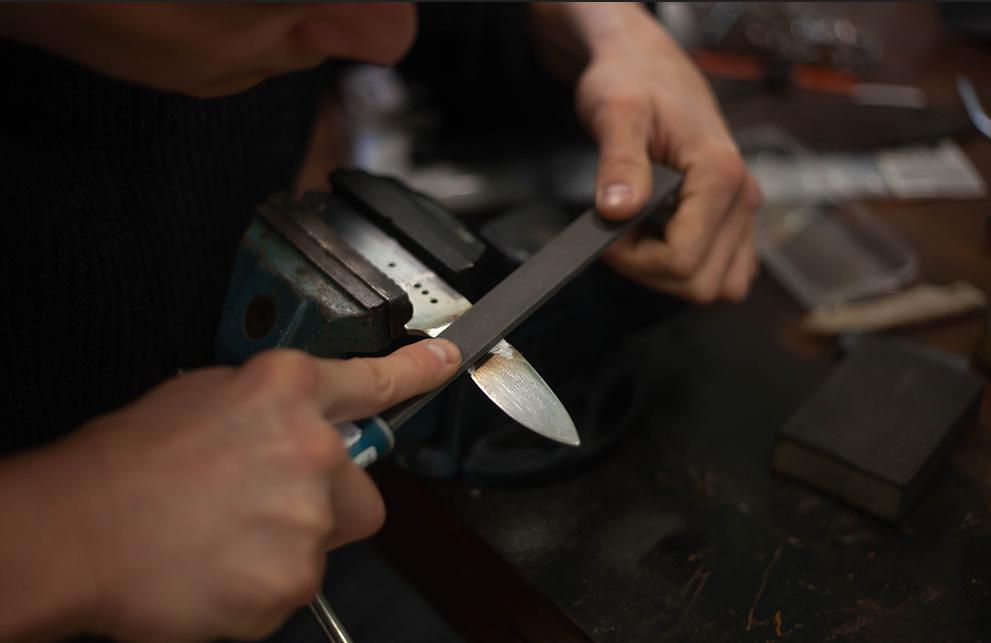
Kegani manufactures kitchen knives, folding knives, and fixed-blade knives for brands, retailers, and distributors worldwide. Below are standard OEM specifications for SG2/R2 and equivalent powder metallurgy steel lines. All parameters are customizable for orders above 300 units.
| Spec | Standard Range | Customizable? |
|---|---|---|
| Steel | SG2 (R2), 14C28N, D2, 9Cr18MoV | Yes — Damascus-clad cores, S35VN |
| Hardness | 62–64 HRC (SG2); 59–61 HRC (alternatives) | Yes — within steel limits |
| Blade Length | 150mm–270mm (kitchen); 2.5–4.5 in (folding) | Yes |
| Blade Thickness | 1.8–3.0 mm (kitchen); 2.5–3.5 mm (folding) | Yes |
| Handle Material | Wa (wood), Micarta, G10, Pakkawood, Carbon Fiber | Yes — custom materials |
| Finish | Kasumi, Kurouchi, Damascus cladding, Satin | Yes — custom patterns |
| Edge Geometry | 50/50 symmetrical; 70/30 for right-hand users | Yes — custom grinds |
| MOQ | 300 units | Negotiable for trial orders |
| Lead Time | 45–60 days (standard steel); 60–90 days (SG2 import) | Rush available |
Industry Note: Kegani supplies SG2 and powder metallurgy kitchen knives to restaurant-supply and culinary retail OEMs in North America and Europe. Most requested spec: SG2/R2 steel, 210mm gyuto, wa-handle with Damascus cladding.
Kegani: Your Source For Quality Chinese Knives
Whether you need premium SG2 kitchen knives, Damascus-clad chef knives, or custom powder metallurgy blade configurations for your product line, Kegani’s Yangjiang facility delivers consistent quality with 45–90 day lead times and 100–200 unit MOQ flexibility.
Based in Yangjiang, the “Knife Capital” of China, we leverage the region’s rich history and expertise in knife manufacturing. This allows us to provide high-quality, precision-crafted knives that meet the highest standards.
Whether you need customization, wholesale, private label, or shipping services, Kegani is your trusted partner for all your knife needs. Our team of experts can guide you in choosing the right steel and design for your target market.
Ready to boost your knife business? Get a free quote from Kegani today.
Frequently Asked Questions
What does SG2 mean?
SG2 stands for Super Gold 2, a premium powder metallurgy stainless steel developed by Takefu Special Steel in Japan. The name denotes its position at the top of Takefu’s product lineup, succeeding the earlier SG1 grade.
What is the HRC rating of SG2?
SG2 steel is typically heat-treated to 62–64 HRC (Rockwell Hardness Scale C). Some manufacturers push it to 64 HRC for maximum edge retention, while others temper closer to 62 HRC for improved toughness.
Is SG2 steel better than VG-10?
SG2 outperforms VG10 in edge retention, hardness, and toughness thanks to its powder metallurgy process. However, VG10 is easier to sharpen, more affordable, and more widely available. For professional kitchens and enthusiasts, SG2 is the superior choice. For home cooks and budget lines, VG10 offers excellent value.
Is SG2 better than Aogami Super?
They deliver comparable edge performance, but with different trade-offs. SG2 is fully stainless and maintenance-free, making it ideal for busy kitchens. Aogami Super is a carbon steel that sharpens more easily and develops a patina, but requires diligent rust prevention. The choice depends on maintenance preferences.
Is SG2 steel hard to sharpen?
SG2 is moderately challenging to sharpen due to its high hardness and vanadium carbides. However, its fine grain structure means it takes a keen edge more quickly than super steels like ZDP-189 or HAP40. Use quality ceramic stones or diamond plates for best results.
Is SG2 worth it?
For professional chefs and serious enthusiasts, yes. The time saved on sharpening and the quality of cuts justify the premium. For casual home cooks or mass-market retail lines, VG10 or 14C28N may offer better value.
Are SG2 and R2 the same steel?
Yes. SG2 (Takefu Special Steel) and R2 (Kobelco/Kobe Steel) refer to the exact same chemical composition and powder metallurgy process. The difference is purely branding.
What brands use SG2 steel?
Major brands include Miyabi (Birchwood, Black), Shun (Reserve, Nagare), Takamura (R2 series), Yu Kurosaki, Shibata Kotetsu, Enso, and Kobayashi. These span from factory production to artisan hand-forged lines.