10Cr15CoMoV steel is China’s domestic answer to Japanese VG-10, offering nearly identical chemistry and performance at a lower material cost. Chinese mills developed this grade during periods when VG-10 exports faced restrictions.
For knife brands, retailers, and OEM buyers, it represents a practical way to deliver premium stainless-steel performance without paying the import premium attached to Takefu’s famous grade.
In this review, we’ll break down 10Cr15CoMoV’s chemical composition, performance data, and how it compares to VG-10, 9Cr18MoV, 14C28N, M390 and D2. Whether you’re sourcing blades or building a private-label line, this guide will help you decide if 10Cr15CoMoV fits your next project.
What is 10Cr15CoMoV steel?
10Cr15CoMoV is a Chinese GB-standard martensitic stainless steel developed for high-performance cutting tools.
The name reads like a recipe: roughly 1.0% carbon, about 15% chromium, plus cobalt, molybdenum, and vanadium.
It sits in the same performance class as Japanese VG-10 and is listed by steel databases as an interchangeable equivalent under names such as CMV60 and V-Kin-10.
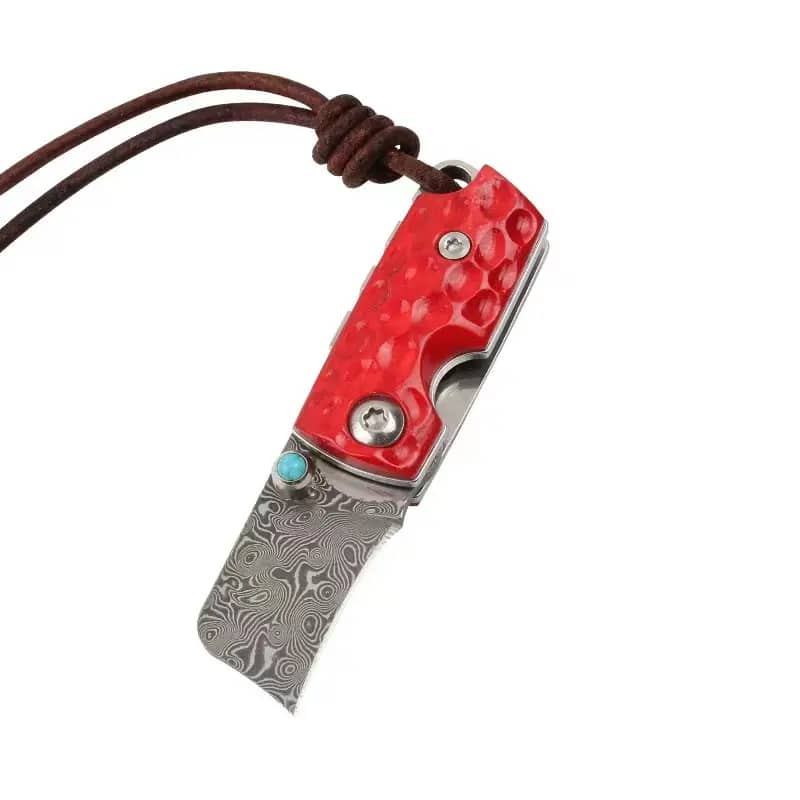
The difference shows up in supply-chain economics rather than cutting performance. Chinese strip stock typically costs 20–30% less than Japanese VG-10, which is why this steel powers a large share of mid-range Damascus knives and premium Chinese EDC folders.
Quick Profile:
| Attribute | Detail |
|---|---|
| Origin | China |
| Design goal | Domestic VG-10 equivalent |
| Hardness range | 58–62 HRC (optimal: 60–61 HRC) |
| Common uses | Kitchen knives, EDC folders, Damascus cores |
| Cost position | 20–30% below VG-10 strip stock |
10Cr15CoMoV is not a downgrade in disguise. The real performance gap, if any, comes from how carefully a manufacturer heat treats it.
Chemical composition of 10Cr15CoMoV steel
| Element | Content | Purpose |
|---|---|---|
| Carbon (C) | 0.95–1.05% | Hardness and edge retention |
| Chromium (Cr) | 14.50–15.50% | Stainless protection |
| Cobalt (Co) | 1.30–1.80% | Hardenability and stability |
| Molybdenum (Mo) | 0.80–1.20% | Toughness and pitting resistance |
| Vanadium (V) | 0.25–0.35% | Fine carbides and wear resistance |
| Manganese (Mn) | 0.30–0.50% | Smelting stability |
| Silicon (Si) | ≤0.45% | Deoxidizer |
Data source: zknives Steel Database, cross-referenced with Takefu VG-10 specifications
The steel’s chemistry centers on a balanced carbon-chromium ratio. With roughly 1.0% carbon, it achieves the hardness needed for long edge life. The 15% chromium content pushes it well above the 13% threshold for stainless classification. Cobalt improves hardenability and matrix stability, while molybdenum and vanadium refine carbides for better wear resistance.
Start Working with a Professional Now
Performance Analysis of 10Cr15CoMoV Steel
Performance Overview Table
The table below puts 10Cr15CoMoV on the same scoring scale as two common comparison steels, so buyers can see exactly where it wins, ties, or loses. All numerical scores use the Knife Steel Nerds 1–10 scale; hardness is shown in Rockwell C (HRC).
| Property | 10Cr15CoMoV | 14C28N | D2 | What This Means in Practice |
|---|---|---|---|---|
| Edge Retention | 4.5/10 | 3.0/10 | 5.0/10 | Holds an edge longer than 14C28N, shorter than D2; good for kitchen and EDC |
| Toughness | 4.0/10 | 9.0/10 | 3.5/10 | Slightly tougher than D2; avoid heavy chopping or prying |
| Corrosion Resistance | 7.5/10 | 8.5/10 | 4.5/10 | True stainless for kitchen/humid use; not a marine grade |
| Ease of Sharpening | 7.0/10 | 8.5/10 | 6.0/10 | Easy on water stones; faster than D2, slightly slower than 14C28N |
| Hardness (HRC) | 59–62 | 55–62 | 58–61 | Optimal window is 60–61 HRC for most knives |
Sources: Knife Steel Nerds Rankings for 14C28N and D2; 10Cr15CoMoV scores are derived from VG-10 equivalency and documented Chinese OEM heat-treatment results.
Key takeaway: 10Cr15CoMoV is a balanced mid-range stainless steel. It trades some toughness for better edge retention than 14C28N, and trades some wear resistance for better corrosion resistance and easier sharpening than D2.
Edge retention
This alloy sits in the middle of the stainless-steel range for edge retention. It holds an edge longer than 14C28N or 8Cr13MoV but requires more frequent maintenance than premium steels like S30V or M390.
For a chef knife used daily on a cutting board, that translates to routine touch-ups rather than long intervals between sharpenings. For an EDC folder used on cardboard or fibrous material, stropping or light sharpening will be needed more often than with a high-carbide super steel. The practical takeaway is predictable: this steel works well for normal cutting tasks but is not a “never sharpen” grade.
Toughness
This grade is comparable to VG-10 in toughness and slightly tougher than D2. It is well below tough stainless grades like 14C28N or AUS-8, which means it is not intended for heavy impact or leverage tasks.
It handles normal cutting, slicing, and light twisting without chipping. It is not a steel for heavy chopping, batoning, or prying. A thin kitchen knife edge at 60 HRC can micro-chip if it contacts bone, frozen food, or a hard surface. That places it on the hard-but-not-brittle side of the spectrum, which is appropriate for kitchen and EDC blades that prioritize edge stability.
Corrosion resistance
With roughly 15% chromium, this steel offers genuine stainless performance. It matches VG-10, 440C, and S30V in corrosion resistance and sits well above the 13% chromium threshold used to define stainless steels.
It handles normal kitchen moisture, humid storage, and occasional rain without issue. It resists food acids better than D2 or simple carbon steels. It is not a marine grade, so saltwater exposure still requires prompt rinsing and drying. For normal kitchen and EDC use, it sits in the upper-middle band of stainless steels.
Ease of sharpening
This steel is relatively easy to sharpen. It is faster to restore on water stones than S30V or D2, though not quite as quick as soft steels like 14C28N or 5Cr15MoV.
Sharpening setup:
- Stone type: Standard water stones or ceramic rods
- Grit range: 800–1000 grit for repair, 3000–5000 grit for polishing
- Time: 5–10 minutes for routine maintenance
- Skill level: Beginner to intermediate
Because the carbide volume is moderate, a 1000-grit stone bites quickly. A home cook can restore a working edge in a few minutes, which is one reason this steel is popular in kitchen knives.
Hardness range
Properly heat-treated samples reach 59–62 HRC. The sweet spot for most knives is 60–61 HRC. Heat treatment is the critical variable. An undertreated blade may test below 58 HRC and lose much of its edge life.
Recommended HRC by application:
| Application | HRC | Why |
|---|---|---|
| Kitchen chef knives | 60–61 | Thin edges stay sharp longer |
| EDC folders | 59–61 | Balance sharpness and chip resistance |
| Damascus-clad kitchen knives | 60–61 | Match core hardness to cladding |
| Hard-use fixed blades | 58–59 | Trade some edge life for toughness |
Start Working with a Professional Now
10Cr15CoMoV vs other steels
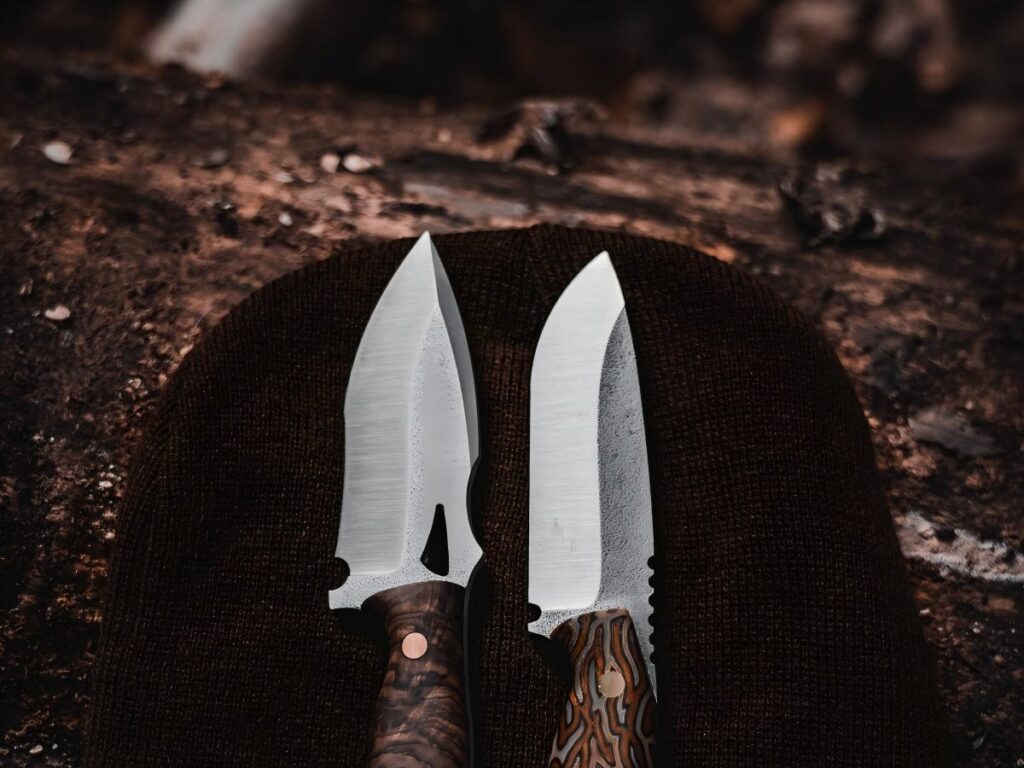
All KSN scores come from Knife Steel Nerds Rankings; 10Cr15CoMoV scores are based on VG-10 equivalency.
10Cr15CoMoV vs VG-10
| Feature | 10Cr15CoMoV | VG-10 | Winner |
|---|---|---|---|
| Edge Retention | 4.5/10 | 4.5/10 | Tie |
| Toughness | 4.0/10 | 4.0/10 | Tie |
| Corrosion Resistance | 7.5/10 | 7.5/10 | Tie |
| Cost | $$ | $$$ | 10Cr15CoMoV |
These two steels share nearly identical chemistry and land in the same performance band. VG-10 costs more largely because of its Japanese origin and single-source supply chain from Takefu Special Steel, not because it outperforms the Chinese grade in measurable ways.
For OEM buyers, the real difference is supply stability. VG-10 prices swing with export restrictions and mill capacity, while 10Cr15CoMoV offers a more predictable cost base. Use VG-10 when the “Made in Japan” story justifies the markup; use 10Cr15CoMoV when you need the same performance class at 20–30% lower material cost.
10Cr15CoMoV vs 9Cr18MoV
| Feature | 10Cr15CoMoV | 9Cr18MoV | Winner |
|---|---|---|---|
| Hardness | 59–62 HRC | 58–60 HRC | 10Cr15CoMoV |
| Edge Retention | 4.5/10 | ~4.0/10 | 10Cr15CoMoV |
| Corrosion Resistance | 7.5/10 | ~8.5/10 | 9Cr18MoV |
| Cost | $$ | $ | 9Cr18MoV |
9Cr18MoV has more chromium, so it resists corrosion slightly better and costs less. 10Cr15CoMoV answers back with higher hardness, better edge retention, and cobalt-assisted heat-treatment consistency. That cobalt content matters on the production floor: it helps batches land in the same HRC window, which reduces rejected parts and sharpening complaints.
Choose 9Cr18MoV for budget outdoor or wet-use knives. Choose 10Cr15CoMoV for kitchen knives and EDC folders where batch consistency and edge life matter more than lowest-possible cost.
10Cr15CoMoV vs 14C28N
| Feature | 10Cr15CoMoV | 14C28N | Winner |
|---|---|---|---|
| Edge Retention | 4.5/10 | 3.0/10 | 10Cr15CoMoV |
| Toughness | 4.0/10 | 9.0/10 | 14C28N |
| Corrosion Resistance | 7.5/10 | 8.5/10 | 14C28N |
| Ease of Sharpening | 7.0/10 | 8.5/10 | 14C28N |
| Cost | $$ | $$ | Tie |
This is a classic trade-off. 14C28N is tougher, more corrosion resistant, and easier to sharpen, but 10Cr15CoMoV holds an edge longer because of its higher carbon and carbide volume. The common mistake is to assume the softer, finer-grained steel must cut longer too—it does not.
For slicing-focused kitchen knives and light EDC blades, 10Cr15CoMoV is the better pick. For hard-use folders, outdoor knives, or tools that will see impact and field maintenance, 14C28N makes more sense.
10Cr15CoMoV vs Nitro-V
| Feature | 10Cr15CoMoV | Nitro-V | Winner |
|---|---|---|---|
| Edge Retention | 4.5/10 | 3.0/10 | 10Cr15CoMoV |
| Toughness | 4.0/10 | 7.5/10 | Nitro-V |
| Corrosion Resistance | 7.5/10 | 7.0/10 | 10Cr15CoMoV (slight) |
| Ease of Sharpening | 7.0/10 | 8.5/10 | Nitro-V |
| Hardness (HRC) | 59–62 | 60–62 | Tie |
| Cost | $$ | $$$ | 10Cr15CoMoV |
Nitro-V is an AEB-L-derived American stainless steel with added nitrogen and vanadium. KSN ranks it at 7.5/10 for toughness and 3.0/10 for edge retention, so it is much tougher and easier to sharpen than this grade, but it does not hold an edge as long. Corrosion resistance is close: 7.0/10 versus 7.5/10.
Nitro-V suits hard-use folders, rough-handling kitchen knives, or product lines where a US/European steel origin adds value. Choose 10Cr15CoMoV when edge retention, material cost, and stable supply matter more than maximum toughness.
10Cr15CoMoV vs D2
| Feature | 10Cr15CoMoV | D2 | Winner |
|---|---|---|---|
| Edge Retention | 4.5/10 | 5.0/10 | D2 (slight) |
| Toughness | 4.0/10 | 3.5/10 | 10Cr15CoMoV |
| Corrosion Resistance | 7.5/10 | 4.5/10 | 10Cr15CoMoV |
| Ease of Sharpening | 7.0/10 | 6.0/10 | 10Cr15CoMoV |
| Cost | $$ | $$ | Tie |
D2 is a semi-stainless tool steel with more wear resistance, so it keeps cutting in abrasive materials like cardboard and rope. The trade-off is corrosion: D2 will stain and pit without care, which translates into returns, warranty claims, and often an extra coating step for retailers.
10Cr15CoMoV gives up a small amount of wear resistance in exchange for true stainless behavior and easier sharpening. For EDC, kitchen knives, or humid climates, it is usually the lower-risk business choice.
10Cr15CoMoV vs M390
| Feature | 10Cr15CoMoV | M390 | Winner |
|---|---|---|---|
| Edge Retention | 4.5/10 | 6.5/10 | M390 |
| Toughness | 4.0/10 | 3.5/10 | 10Cr15CoMoV (slight) |
| Corrosion Resistance | 7.5/10 | 9.0/10 | M390 |
| Ease of Sharpening | 7.0/10 | ~5.0/10 | 10Cr15CoMoV |
| Cost | $$ | $$$ | 10Cr15CoMoV |
M390 sits several tiers above 10Cr15CoMoV. It offers longer edge retention, better corrosion resistance, and a premium market story. It also costs several times as much, sharpens more slowly, and is overkill for buyers who just want a reliable stainless blade.
Reserve M390 for flagship products where customers actively ask for super steel. For mid-premium lines, 10Cr15CoMoV delivers a true stainless blade with easier maintenance at a fraction of the material cost.
10Cr15CoMoV vs 5Cr15MoV
| Feature | 10Cr15CoMoV | 5Cr15MoV | Winner |
|---|---|---|---|
| Hardness | 59–62 HRC | 54–57 HRC | 10Cr15CoMoV |
| Edge Retention | 4.5/10 | 2.5/10 | 10Cr15CoMoV |
| Corrosion Resistance | 7.5/10 | 8.0/10 | 5Cr15MoV (slight) |
| Ease of Sharpening | 7.0/10 | 9.0/10 | 5Cr15MoV |
| Cost | $$ | $ | 5Cr15MoV |
The carbon gap is the story here: roughly 1.05% carbon in 10Cr15CoMoV versus about 0.5% in 5Cr15MoV. That difference drives a large jump in hardness and edge life. In practical cutting tests, 5Cr15MoV often dulls after a few hundred slices, while 10Cr15CoMoV keeps working past twice that number.
5Cr15MoV is the right steel for sub-$30 gift sets and entry-level kitchen knives. Position 10Cr15CoMoV as the $40–$60 upgrade, where the extra edge life gives both the retailer and the end user a clear reason to step up.
Best Uses for 10Cr15CoMoV Steel
1. Premium Kitchen Knives
This alloy is widely used as the core steel in Damascus-clad chef knives and gyuto blades. Its hardness supports thin edge geometry, while its corrosion resistance handles wet kitchen environments.
2. EDC Folding Knives
It works well for EDC folders in the $60–$120 range. The steel holds an edge longer than budget grades like 8Cr13MoV while remaining easy to maintain.
3. Damascus-Clad Blades
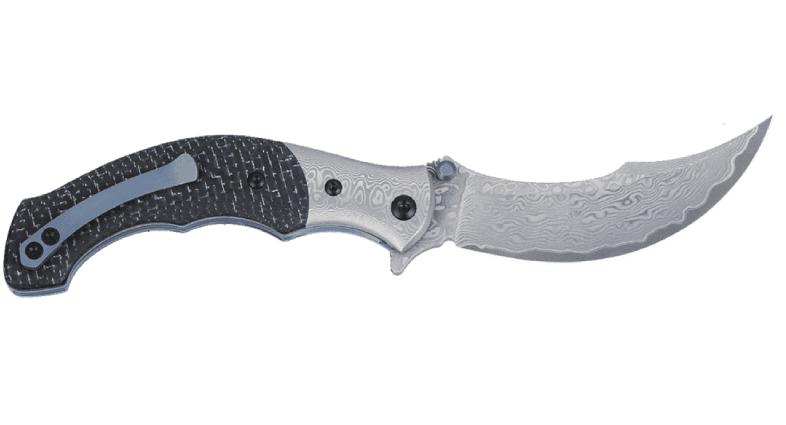
It takes an acid etch beautifully and provides a high-performance cutting core. This makes it a favorite for layered kitchen knives and decorative fixed blades.
4. Hunting and Outdoor Knives
For hunters who want a stainless blade without super-steel pricing, this grade offers a good balance. It handles field dressing and food prep without rusting quickly.
5. Professional Scissors and Shears
The same hardness and fine carbide structure that make this steel good for knives also suit professional cutting tools.
Limitations & When to Avoid 10Cr15CoMoV
1. Heavy-Duty Impact Tasks
The moderate toughness makes this steel unsuitable for heavy chopping, batoning, or prying. For these tasks, tougher steels like 3V or 1095 are better choices.
2. Marine Environments
While stainless, this grade is not as corrosion-resistant as high-chromium marine grades like H1 or LC200N. For frequent saltwater exposure, choose a more specialized steel.
3. Extreme Budget Constraints
If your product line targets the lowest price point, 8Cr13MoV or 5Cr15MoV will cost less. This alloy is best positioned as a mid-range upgrade.
4. Heat-Treatment-Dependent Performance
Not all batches perform the same. Inferior heat treatment can drop hardness below 58 HRC and ruin edge retention. Source from suppliers who document their process.
Is 10Cr15CoMoV Worth It?
This steel is a legitimate, cost-effective alternative to VG-10 for knife brands and retailers. Its chemistry delivers the hardness, edge retention, and corrosion resistance that mid-range buyers expect, while Chinese production keeps material costs lower than Japanese equivalents.
10Cr15CoMoV is worth choosing if you:
- Want VG-10-like performance without the import premium
- Need a true stainless steel for kitchen or EDC knives
- Are sourcing from reliable OEMs with documented heat treatment
- Want a steel that is easy to sharpen and maintain
Consider alternatives if you:
- Need maximum toughness (choose 14C28N or AUS-8)
- Require extreme corrosion resistance (choose H1 or LC200N)
- Want the highest wear resistance regardless of maintenance (choose M390, D2, or S30V)
- Need maximum toughness in a stainless blade (choose Nitro-V or 14C28N)
- Are targeting the lowest possible price point (choose 5Cr15MoV or 8Cr13MoV)
For OEM knife manufacturers and sourcing managers, this grade represents a practical, proven choice. It offers a recognizable performance profile, stable supply, and a clear value story for customers comparing it to premium Japanese steels.
Partner with Keganico for Your 10Cr15CoMoV Knife Line
Looking to capitalize on 10Cr15CoMoV’s excellent price-to-performance ratio? Keganico specializes in crafting high-quality knives that maximize this versatile steel’s potential.
Our 10Cr15CoMoV expertise includes:
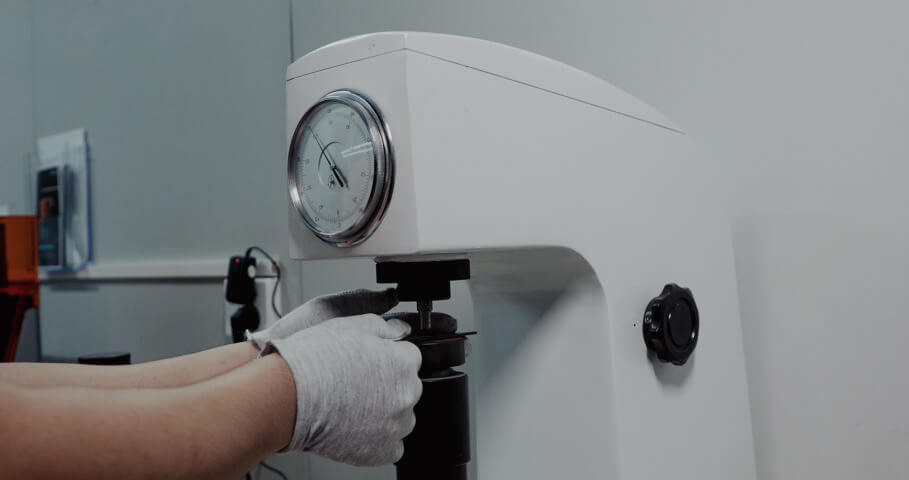
- Precision heat treatment achieving optimal 60–61 HRC hardness
- Advanced blade geometry for kitchen knives, EDC folders, and Damascus-clad blades
- Consistent quality control ensuring every batch performs as expected
- Competitive pricing for both small trial orders and large production runs
Whether you need EDC folding knives, outdoor fixed blades, or kitchen knives, we deliver the perfect balance of performance and value.
We also offer multiple services to suit your business needs:
- Private Label Knives – Put your brand on our expertly crafted blades
- OEM Manufacturing – Custom designs brought to life
- Wholesale Service – Stock quality knives at competitive prices
Get Your Quote Now and discover why leading brands trust Keganico for their knife production needs.