
LC200N is a high-nitrogen stainless steel that delivers near-total rust resistance without the usual trade-off in hardness. Most rust-proof steels force a compromise: soft blades that never reach their potential. LC200N breaks that rule. It runs at 58-60 HRC and scores a perfect 10/10 for corrosion resistance on the Knife Steel Nerds scale.
In this guide, we’ll cover its composition, performance data, best uses, and how it compares to popular alternatives like H1 and MagnaCut.
What Is LC200N Steel?
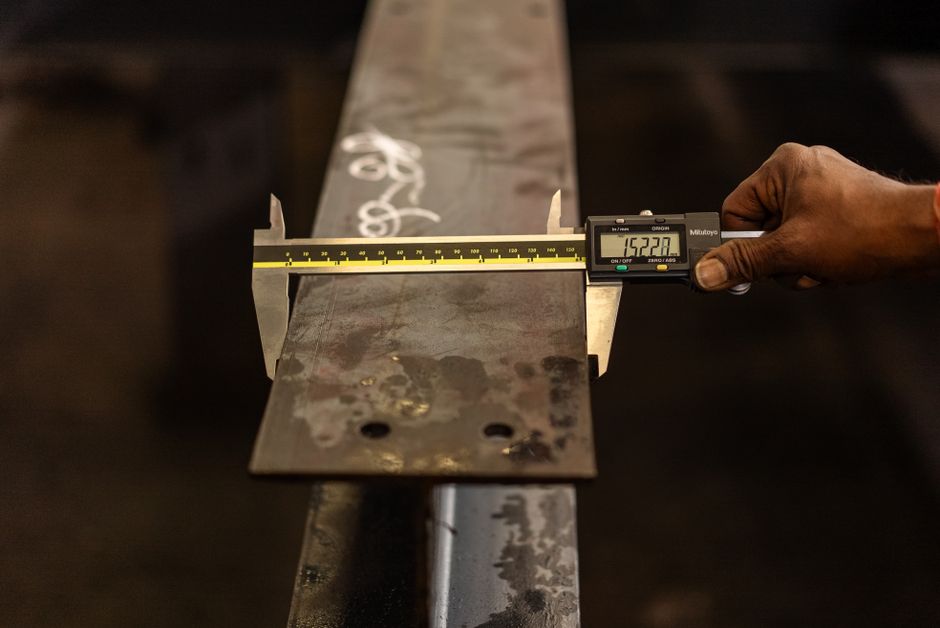
LC200N is a high-nitrogen martensitic stainless steel produced through the PESR (Pressurized Electroslag Remelting) process. In Europe, Zapp Precision Metals sells it as Z-FiNit. In North America, Latrobe Specialty Metals (part of Carpenter Technology) sells it as LC200N. The steel is closely related to the German grade Cronidur 30.
The steel was not designed for knives at first. It was built for aerospace ball bearings, including parts for NASA. It also served as a cutting-tool steel in the food, chemical, and pharmaceutical industries. Those jobs demand extreme corrosion resistance under heavy loads. That is exactly what makes LC200N so valuable for blades.
The knife world adopted LC200N after Spyderco began using it in its Salt Series of rust-proof knives. Unlike the older rust-proof steel H1, LC200N is a true martensitic steel, so its hardness can be precisely controlled through standard heat treatment.
LC200N Chemical Composition: Nitrogen Does the Heavy Lifting
| Element | % | Role |
|---|---|---|
| Carbon (C) | 0.30% | Low by knife steel standards; contributes hardness without forming excessive chromium carbides |
| Chromium (Cr) | 15.0% | Forms the passive oxide layer; stays “in solution” thanks to nitrogen |
| Nitrogen (N) | 0.50% | Core innovation: replaces carbon as a hardening agent without stealing chromium |
| Molybdenum (Mo) | 0.95% | Enhances hardenability, strength, and pitting resistance |
| Manganese (Mn) | 1.0% | Improves hardenability and stabilizes the smelting process |
| Nickel (Ni) | 0.50% | Adds toughness and contributes to corrosion resistance |
Data source: Zapp LC 200 N technical datasheet
LC200N’s design philosophy is “substitute nitrogen for carbon.” Carbon hardens steel, but it also bonds with chromium to form chromium carbides, reducing the free chromium that protects against rust. Nitrogen hardens the steel in a similar way, yet it leaves the 15% chromium free to form a protective oxide layer.
Getting 0.50% nitrogen into steel is not easy. Nitrogen naturally bubbles out of liquid steel, so conventional production usually tops out around 0.08–0.12%. Zapp’s PESR furnace operates at up to 40 bar of pressure, forcing roughly four to five times more nitrogen into the melt. The result is an exceptionally clean, fine-grained microstructure with no coarse carbides to weaken the edge.
How LC200N Performs: Test Data and Real-World Behavior
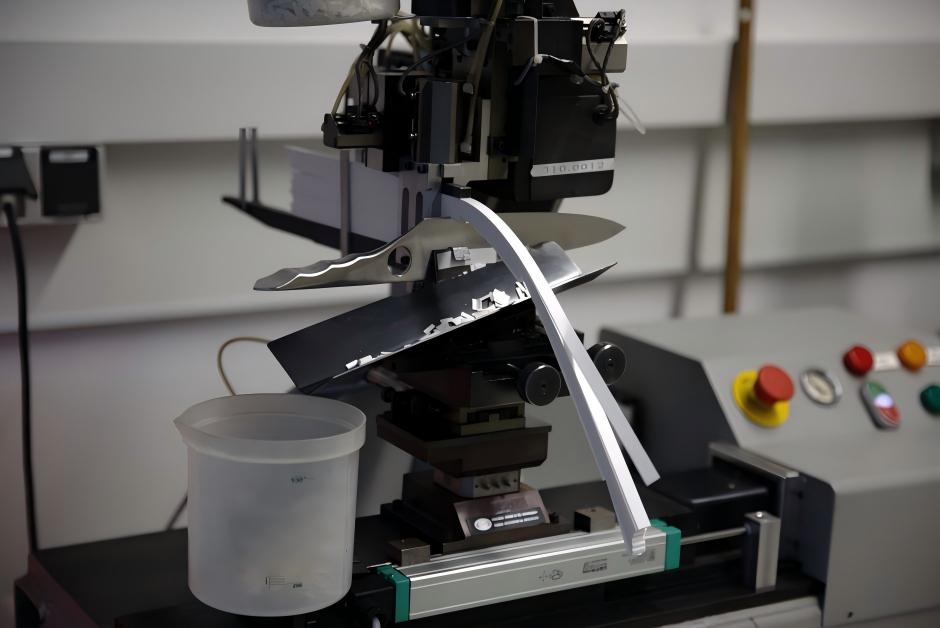
Performance Overview
| Performance Indicator | Score | Notes |
|---|---|---|
| Toughness | 8.5/10 ★★★★★ | More than double the toughness of S30V |
| Edge Retention | 3.0/10 ★★★☆☆ | Moderate; comparable to 14C28N and AEB-L |
| Corrosion Resistance | 10.0/10 ★★★★★ | Tied with Vanax for the best rating of any blade steel |
| Ease of Sharpening | 9.0/10 ★★★★★ | Fine grain; no hard carbides to fight |
| Hardness (HRC) | 58–60 | Stable up to 500°C tempering resistance |
Data source: Knife Steel Nerds steel ratings
Toughness: Nearly 3× the Impact Resistance of S30V
Toughness is a core strength of LC200N. With an 8.5/10 toughness score, it sits just below 14C28N (9.0) and far above S30V (4.0). In transverse Charpy impact testing, LC200N measured around 30 ft-lbs. S30V managed roughly 10 ft-lbs. That is nearly three times the impact resistance.
In practical terms, this means thin, slicey edges that resist chipping. Makers can grind acute edge angles on EDC knives without worrying about edge failure, and fillet blades flex around bones without cracking. For brands, high toughness also means fewer broken tips in shipping and lower warranty claim rates.
Corrosion Resistance: A Perfect 10
This is LC200N’s defining trait. It scores a perfect 10.0/10 for corrosion resistance, tied with Vanax and ahead of every other blade steel on the market. The combination of 15% free chromium and 0.5% nitrogen makes it effectively rust-proof in real-world use.
Users routinely report leaving LC200N blades wet with salt water overnight with no staining. Salt spray testing shows it dramatically outlasts 14C28N (8.5/10) and even MagnaCut (9.5/10). For fishing, diving, and coastal carry, this is the closest thing to a maintenance-free blade you’ll find.
One caveat worth knowing: LC200N can show light surface film or fingerprinting over time. This is cosmetic residue, not corrosion, and it wipes away with normal cleaning. Structurally, the steel remains rust-proof.
Edge Retention: Better Than the Score Suggests
LC200N’s 3.0/10 edge retention score is honest but not impressive. With only 0.30% carbon and no vanadium carbides, it cannot match the abrasive wear resistance of M390 or S90V. That said, the score undersells real performance.
In Knife Steel Nerds’ 48-steel CATRA testing, LC200N actually cut slightly more material than AEB-L and Nitro-V, landing on par with 14C28N. Dr. Larrin Thomas credits its chromium carbonitrides — harder than the plain chromium carbides in AEB-L — for the small but measurable edge. In day-to-day slicing, LC200N behaves closer to classic 154CM than to a true budget steel.
Here’s the other piece of context: LC200N still holds an edge roughly twice as long as H1, the steel it replaces in rust-proof applications. And because real-world sharpness depends on geometry as much as chemistry, a thin-ground LC200N blade often outcuts thicker premium-steel knives in slicing tasks.
Start Working with a Professional Now
Ease of Sharpening
LC200N is one of the easiest stainless steels to sharpen. Its fine, carbide-free structure responds quickly to standard water stones and ceramic rods. Most users can restore a razor edge in minutes, without diamond plates or guided systems.
This matters more than the edge retention score suggests. A steel you touch up in two minutes behaves like a steel that never gets dull. For end users and for brands worried about warranty complaints, easy sharpening is a genuine selling point.
Compare that with high-wear steels like S90V or M390, which often demand diamond abrasives and real patience. LC200N needs neither — a basic whetstone and strop kit is enough for a hair-popping edge.
Hardness Range
| Application | Recommended HRC | Reasoning |
|---|---|---|
| Fishing and fillet knives | 58–59 HRC | Maximum toughness and flex |
| EDC folders | 59–60 HRC | Balance of edge stability and durability |
| Kitchen knives | 59–60 HRC | Thin edges without chipping |
| Dive and rescue knives | 58–59 HRC | Impact resistance over hardness |
Production knives typically run LC200N at 58–60 HRC, which is the steel’s sweet spot. Unlike H1, which can’t exceed the low 50s HRC through heat treatment, LC200N achieves true martensitic hardness. It also maintains tempering resistance up to 500°C, a legacy of its industrial tool-steel origins.
Heat Treatment
For OEM projects, LC200N is well-documented and forgiving by premium-steel standards. Per the Zapp datasheet, the typical route is:
- Soft anneal at 780–820°C for 2–4 hours (below 300 HB), making machining easy
- Harden with a 20–40 minute hold at austenitizing temperature, then quench in oil, a 540°C hot bath, or pressurized gas (minimum 6 bar in vacuum)
- Subzero treatment at -80°C for at least 60 minutes — mandatory when austenitizing above 1000°C
- Double temper, 2 hours per cycle, to reach the target 58–60 HRC
The datasheet highlights excellent dimensional stability after heat treatment. In production terms, that means minimal warpage on thin blades and lower scrap rates — a real cost advantage on large runs.
LC200N vs Other Steels
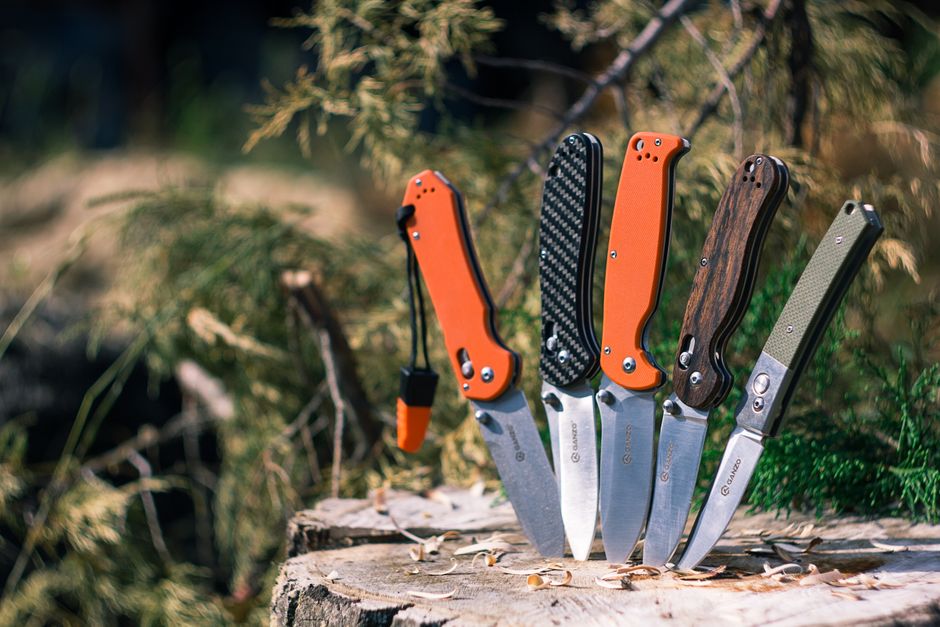
LC200N doesn’t try to win every category. It wins the categories that matter for wet environments, and it stays competitive everywhere else. Here’s how it stacks up against common alternatives.
| Steel | Toughness | Edge Retention | Corrosion | Ease of Sharpening | Best For |
|---|---|---|---|---|---|
| LC200N | 8.5/10 | 3.0/10 | 10.0/10 | 9.0/10 | Marine, fishing, kitchen |
| H1 | 10.0/10 | 2.0/10 | 10.0/10 | 8.0/10 | Absolute rust immunity |
| MagnaCut | 7.0/10 | 5.0/10 | 9.5/10 | 6.5/10 | Premium all-rounder |
| 14C28N | 9.0/10 | 3.0/10 | 8.5/10 | 9.0/10 | Budget stainless |
| S30V | 4.0/10 | 6.0/10 | 7.5/10 | 5.0/10 | General-purpose premium |
| VG-10 | 4.0/10 | 4.5/10 | 7.5/10 | 7.0/10 | Japanese kitchen knives |
Data source: Knife Steel Nerds steel ratings
LC200N vs H1
This is the comparison that matters most. Both steels score 10/10 for corrosion resistance, but that’s where the similarity ends. H1 is a work-hardened austenitic steel that can’t get much past the low 50s HRC, so its edge retention and stability are poor. LC200N delivers the same rust immunity at 58–60 HRC, with roughly double the edge retention and far better grindability. For almost every application, LC200N has made H1 obsolete.
One honest caveat from extreme long-term testing: H1 is essentially zero-carbon, so it is truly rust-proof even under brutal chemical exposure. LC200N is virtually rust-proof — but under deliberately abusive salt-immersion testing, a single tiny pit has been observed. No normal user will ever see the difference, but serrated dive knives are where H1’s extra ductility still makes sense.
LC200N vs H2
H2 is Spyderco’s modern replacement for H1, now appearing in models like the Pacific Salt 2. It’s still an austenitic, work-hardening steel — incredibly tough and about as rust-proof as steel gets, but soft on plain edges. The work-hardening effect means a serrated H2 blade performs surprisingly well, since grinding the serrations locally hardens the edge.
The rule of thumb from real-world users: choose LC200N for plain edges, H2 for full serrations. For most product lines, LC200N’s plain-edge edge retention (roughly double H2’s) makes it the more versatile spec.
LC200N vs MagnaCut
MagnaCut beats LC200N in edge retention (5.0 vs 3.0) and comes close in corrosion resistance (9.5 vs 10.0). But LC200N is tougher, easier to sharpen, and easier to process in production. MagnaCut’s powder-metallurgy route also makes it harder to machine and more expensive to work with. Choose MagnaCut for premium all-around lines; choose LC200N when rust-proofing and production efficiency are the priorities.
LC200N vs 14C28N
14C28N offers a very similar performance profile — 9.0 toughness, 3.0 edge retention, easy sharpening — at a lower material cost. The trade-off is corrosion resistance: 8.5 versus 10.0. If your product line will see salt water or professional kitchen use, LC200N is worth the upgrade. For general EDC folding knives in dry climates, 14C28N remains the value pick.
LC200N vs S30V
S30V holds an edge significantly longer (6.0 vs 3.0), but LC200N is more than twice as tough, far more corrosion resistant, and much easier to sharpen. For hard-use blades in wet environments, LC200N wins. For dry-land EDC where edge retention is king, S30V still makes sense. Read more in our S30V steel guide.
Other Matchups: VG-10, S35VN, 154CM, and Vanax
- VG-10: VG-10 holds an edge slightly longer (4.5 vs 3.0) but is far less tough (4.0 vs 8.5) and far less corrosion resistant. For kitchen knives in humid environments, LC200N is the safer spec.
- S35VN: S35VN wins on edge retention (5.0 vs 3.0); LC200N wins decisively on toughness and corrosion resistance. Different steels for different briefs.
- 154CM: The closest classic match in cutting feel — CATRA numbers are in the same ballpark — but LC200N is dramatically tougher and rust-proof.
- Vanax: The only other steel with a perfect 10/10 corrosion score. Vanax adds more edge retention (5.5) but is even more expensive and harder to source in volume. LC200N remains the practical rust-proof choice for production.
Where LC200N Excels — and Where It Falls Short
1. Fishing and Marine Knives
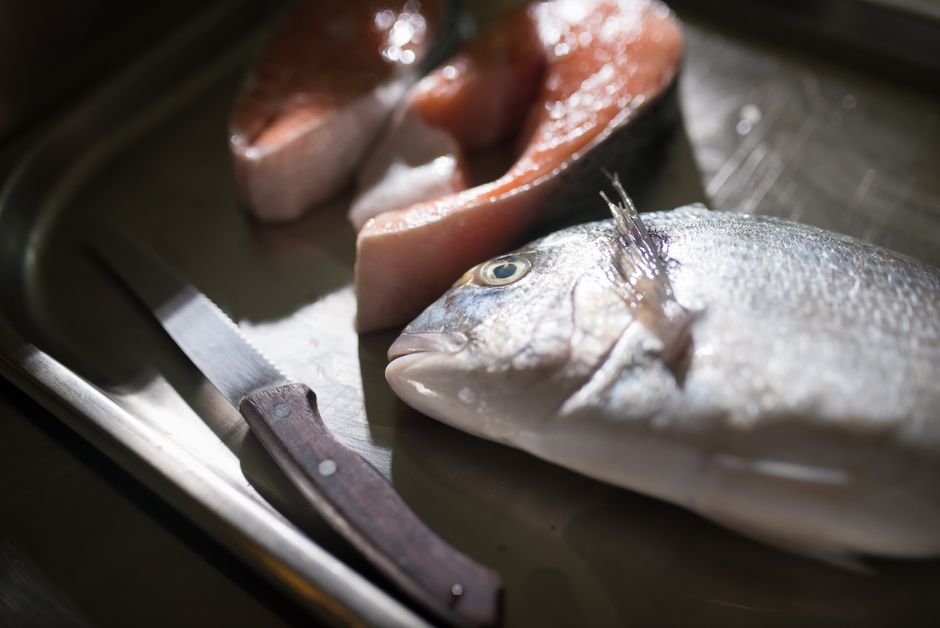
This is LC200N’s home turf. Fillet knives, bait knives, and dive knives live in salt water, and LC200N simply doesn’t care. Blades can be ground thin for clean cuts through fish, and the toughness prevents edge damage when you hit bone. For brands building a saltwater series, LC200N is the default steel choice.
2. Kitchen Knives
Professional kitchens are humid, acidic, and hard on edges. LC200N handles all three. It takes a razor edge for slicing, shrugs off moisture and food acids, and touches up on a honing rod in seconds. European chef knife makers have adopted nitrogen steels like LC200N precisely for this environment.
The steel’s industrial roots in food-processing equipment add credibility here. LC200N was engineered for exactly the moisture and chemical exposure a working kitchen delivers every day.
3. EDC Folding Knives
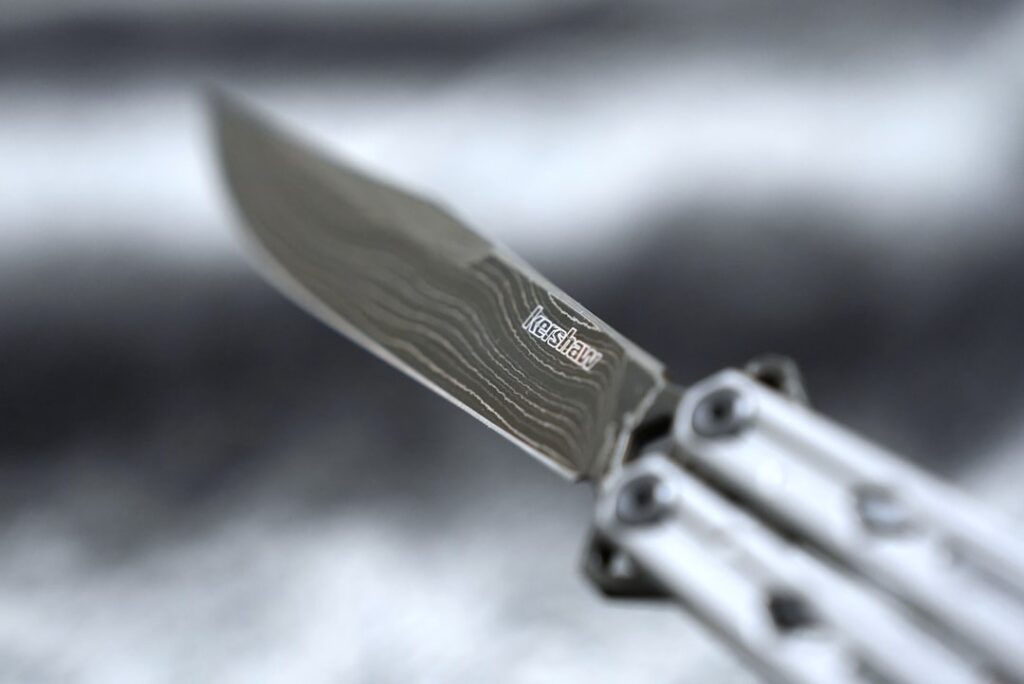
For users in humid or coastal climates, LC200N removes the daily rust anxiety that comes with carbon or low-chromium steels. Sweat, rain, and pocket carry won’t stain the blade. The easy sharpening also suits casual users who don’t want a maintenance hobby. It pairs well with low-maintenance handle materials like G-10 or Grivory for a truly weatherproof package.
4. Rescue and Safety Tools
First responders and maritime rescue teams need blades that work after months of exposure. LC200N’s combination of rust immunity, toughness, and 58–60 HRC hardness makes it ideal for rescue knives, line cutters, and sailing tools.
5. What LC200N Means for OEM Buyers
For sourcing managers and brand owners, LC200N offers a clean positioning story: premium corrosion-proof performance at premium-steel pricing. Retail knives in LC200N typically land in the $100–$200 range, giving you solid margins without stepping into ultra-premium territory. The steel’s dimensional stability after heat treatment and excellent machinability also keep production scrap rates low — an underrated cost factor on large runs.
Because the alloy’s high nitrogen content requires PESR equipment, supply is limited to a handful of mills. Working with an OEM knife manufacturer that has established material channels is the reliable way to secure consistent stock for a growing product line.
Limitations
- Maximum edge retention: If your customers demand long intervals between sharpenings, premium steels like M390 or MagnaCut are better choices.
- Abrasive cutting tasks: Cardboard, rope, and carpet wear out LC200N’s edge faster than high-vanadium steels.
- Material cost: LC200N costs roughly what premium steels like M390 do. For budget lines under $50 retail, 14C28N or 8Cr13MoV are more economical.
- Brand recognition: Outside enthusiast circles, LC200N has less name recognition than MagnaCut, so marketing support matters.
Caring for LC200N: What Little Maintenance It Needs
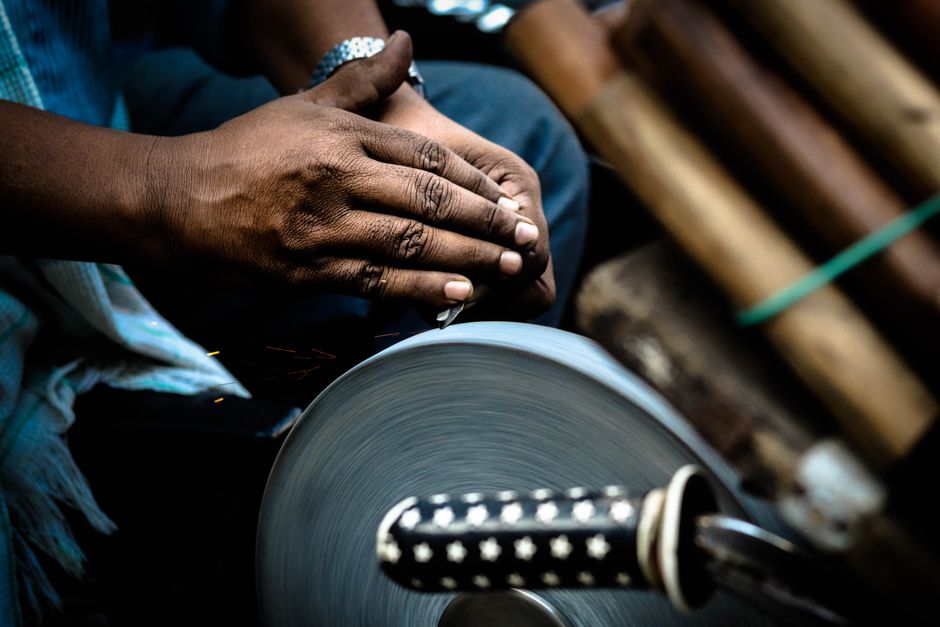
LC200N’s biggest maintenance advantage is how little it needs. Still, a few habits will keep any blade performing for decades.
Cleaning: Rinse with fresh water after salt-water exposure, then wipe dry. For food prep, wash with mild soap and dry immediately. Skip the dishwasher — the heat and detergents are hard on handles even when the blade itself is safe.
Sharpening: A 1000-grit water stone or ceramic rod brings the edge back in minutes. Finish on a leather strop for a polished working edge. Because there are no hard carbides, LC200N sharpens faster than almost any steel at its hardness level.
Storage: You do not need to oil the blade to prevent rust — that’s the whole point of the steel. A drop of pivot oil on a folder is still good practice for smooth action, and a light coat before long-term storage never hurts.
One often-missed point: the blade may be rust-proof, but screws, liners, and clips usually aren’t. After salt-water use, rinse the whole knife, not just the blade.
What to avoid: Don’t use the blade as a pry bar, don’t cut on glass or stone, and don’t assume “rust-proof” means “damage-proof.” Toughness has limits, even at 8.5/10.
Final Verdict: Who Should Choose LC200N?
LC200N steel delivers what used to be impossible: a blade that never rusts and still performs like a real knife. Its 10/10 corrosion resistance, 8.5/10 toughness, and effortless sharpening make it the default choice for marine, fishing, and kitchen applications — and a smart upgrade path from H1.
Recommended for:
- Fishing, diving, and marine product lines
- Kitchen knives for humid, acidic environments
- EDC folders sold in coastal and tropical markets
- Brands upgrading from H1 to a harder, more capable steel
Not recommended for:
- Budget lines where 14C28N already covers corrosion needs
- Products marketed on maximum edge retention
- Heavy abrasive-cutting applications
Partner with Keganico for Your LC200N Knife Line
Looking to capitalize on LC200N’s rust-proof performance? Keganico specializes in crafting high-quality knives that get the most from this high-nitrogen stainless steel.
Our expertise includes:
- Precision heat treatment achieving optimal 58–60 HRC
- Thin, slicey edge geometry for fishing, kitchen, and EDC applications
- Consistent quality control for both small batches and large orders
- Competitive pricing and fast turnaround from our Yangjiang facility
We offer multiple partnership models:
- Private Label Knives — Put your brand on expertly crafted LC200N blades
- OEM Manufacturing — Custom designs brought to life
- Wholesale Service — Stock quality knives at competitive prices
Get Your Quote Now and discover why leading brands trust Keganico for their knife production needs.