You’re comparing two near-identical knives: one costs $60 with 420HC steel, the other $90 with 154CM. Is the $30 premium actually worth it?
For end users, it comes down to one tradeoff: longer-lasting sharpness vs lower-effort maintenance. 154CM holds an edge 50–100% longer than 420HC. 420HC, by contrast, sharpens faster, resists chipping better, and requires less care to fight rust.
For sourcing managers and knife brands, it’s a margin question: Will customers pay more for extended sharpness? Or will lower prices and zero-fuss upkeep drive more sales with 420HC?
This guide breaks down chemistry, real-world performance, and pricing for both steels to help you pick the right material for your next line.
What is 420HC steel?
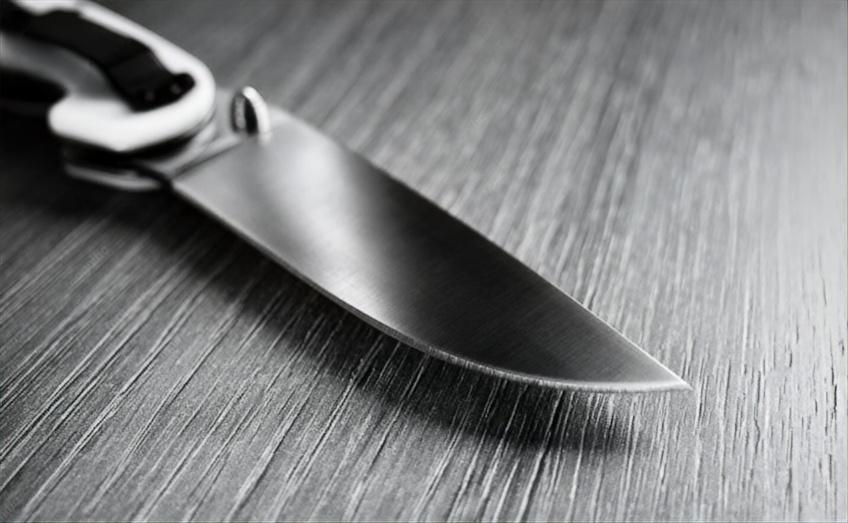
420HC (High Carbon) is a martensitic stainless steel developed by Latrobe Specialty Steel in the 1960s as an upgrade to standard 420 stainless. It bridges the gap between soft 420J2 and harder 440-series steels: better hardness and edge life, plus the easy processing and strong corrosion resistance of the 420 family.
Buck Knives made it mainstream with their Paul Bos heat-treatment process, which proved properly refined 420HC far outperforms its price point. Today it’s the standard for affordable EDC knives, multi-tools, hunting blades, and medical instruments.
Market Positioning:
- Category: Budget to mid-range stainless steel
- Primary Use: EDC folders, multi-tools, hunting fixed blades, promotional knives, surgical tools
- Hardness Range: 56–60 HRC (up to 61–62 HRC with cryogenic treatment)
- Key Advantage: Low material cost, forgiving heat treat, excellent impact resistance, extremely easy to sharpen
For OEMs scaling mass production, 420HC is one of the most cost-effective stainless options. Its wide heat-treatment window delivers consistent quality across large runs without strict, expensive process controls.
What is 154CM steel?
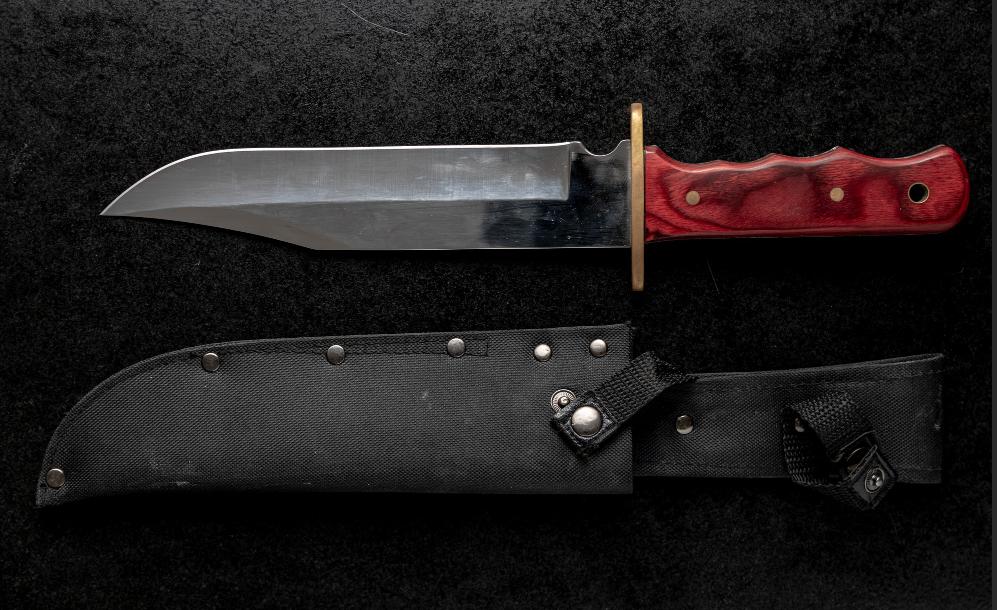
154CM is a martensitic stainless alloy developed by Crucible Industries as an upgraded 440C variant. By adding 4% molybdenum, Crucible retained 440C’s corrosion resistance while drastically improving edge retention, toughness, and wear resistance.
For decades it was the benchmark for premium stainless knife steel, used in high-end tactical folders, hunting knives, and specialty cutlery — before powder metallurgy steels like S30V and S35VN entered the market.
154CM vs S30V vs M390 vs D2
Market Positioning:
- Category: Mid-range to premium stainless steel
- Primary Use: Premium EDC knives, hunting blades, tactical folders, limited-run specialty cutlery
- Hardness Range: 58–61 HRC
- Key Advantage: Balanced edge retention, corrosion resistance, and toughness — no powder steel production complexity
It remains a workhorse for brands wanting reliable premium performance. Its chemistry is well understood, heat-treatment protocols are standardized globally, and it delivers consistent results for large batch orders.
Chemical composition comparison
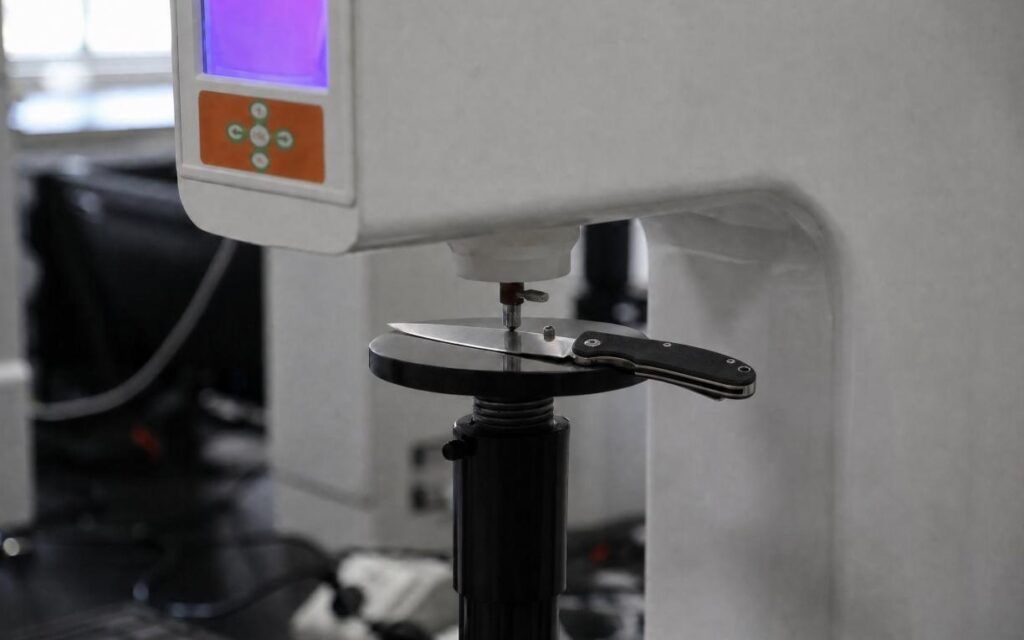
The performance gap starts with chemistry. Both are 13–14% chromium martensitic stainless steels, but their carbon and molybdenum content creates very different cutting behavior.
| Element | 154CM | 420HC | Role in Performance |
|---|---|---|---|
| Carbon (C) | 1.05% | 0.46% | Hardness, edge retention, and carbide formation |
| Chromium (Cr) | 14.00% | 13.00% | Corrosion resistance and stainless properties |
| Molybdenum (Mo) | 4.00% | — | Strength, pitting resistance, and high-temperature stability |
| Manganese (Mn) | 0.50% | 0.40% | Hardenability and toughness |
| Silicon (Si) | 0.30% | 0.40% | Deoxidation and strength |
| Vanadium (V) | — | 0.30% | Grain refinement and edge stability |
| Sulfur (S) | ≤0.03% | ≤0.03% | Kept low to preserve toughness |
Data source: Crucible 154CM technical datasheet, Latrobe LSS 420 HC datasheet via Alpha Knife Supply. The 420HC values above reflect Latrobe’s official typical composition; some knife-industry sources list slightly different ranges.
Key chemical differences simplified
Carbon content is the biggest divide. 154CM has roughly double the carbon of 420HC (1.05% vs ~0.50%). More carbon = higher hardness + more wear-resistant carbides = longer edge life.
Molybdenum content is equally important. 154CM’s 4% molybdenum drastically improves strength and pit corrosion resistance. This is a big part of why 154CM feels like a premium steel for heavy cutting.
Chromium levels look similar, but perform differently. 154CM’s high carbon locks most chromium into hard carbides (to boost edge life), leaving less free chromium to fight rust. 420HC retains more free chromium in the steel matrix, making it more forgiving for users who skip regular cleaning.
Start Working with a Professional Now
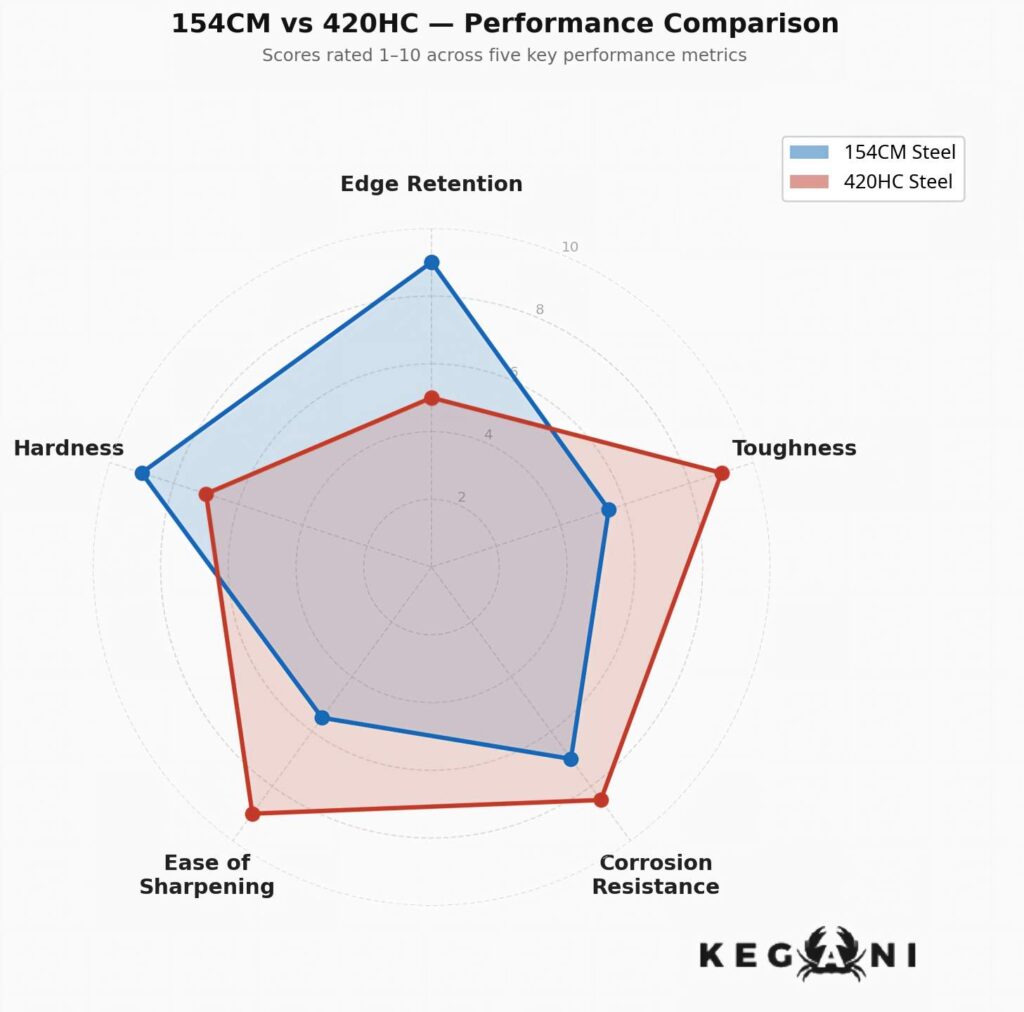
154CM vs 420HC: Performance scorecard
| Performance Metric | 154CM | 420HC | Winner | Data Source |
|---|---|---|---|---|
| Edge Retention | 4.5 | 2.5 | 154CM | Knife Steel Nerds CATRA testing |
| Toughness (chip/impact resistance) | 3.5 | 9.0 | 420HC | Knife Steel Nerds Charpy impact testing |
| Corrosion Resistance | 7.0 | 8.0 | 420HC (narrow lead) | Knife Steel Nerds humidity/salt testing |
| Ease of Sharpening | Moderate | Very Easy | 420HC | Industry & user consensus |
| Max Hardness (standard heat treat) | 58–61 HRC | 56–60 HRC | 154CM | Manufacturer datasheets |
| Mass Production Value | Mid-tier premium | Excellent | 420HC | OEM cost analysis |
Lab test scales: Toughness 1–10, Edge Retention (CATRA test, max ~12), Corrosion Resistance 0–10, benchmarked across 60+ common knife steels. Lab data credited to Dr. Larrin Thomas / knifesteelnerds.com. Full 60+ steel ranking available on the official Knife Steel Nerds website.
Detailed Performance Breakdown
Edge Retention
154CM wins by a wide margin. Higher carbon and molybdenum form harder carbides, so the blade stays sharp longer through abrasive materials like cardboard, rope, or hide. In real use, 154CM holds a usable edge 50–100% longer than identical 420HC blades.
For brands marketing “long-lasting sharpness” premium lines, 154CM is the clear choice. 420HC requires more frequent touch-ups, but sharpens back to full edge in minutes.
Toughness
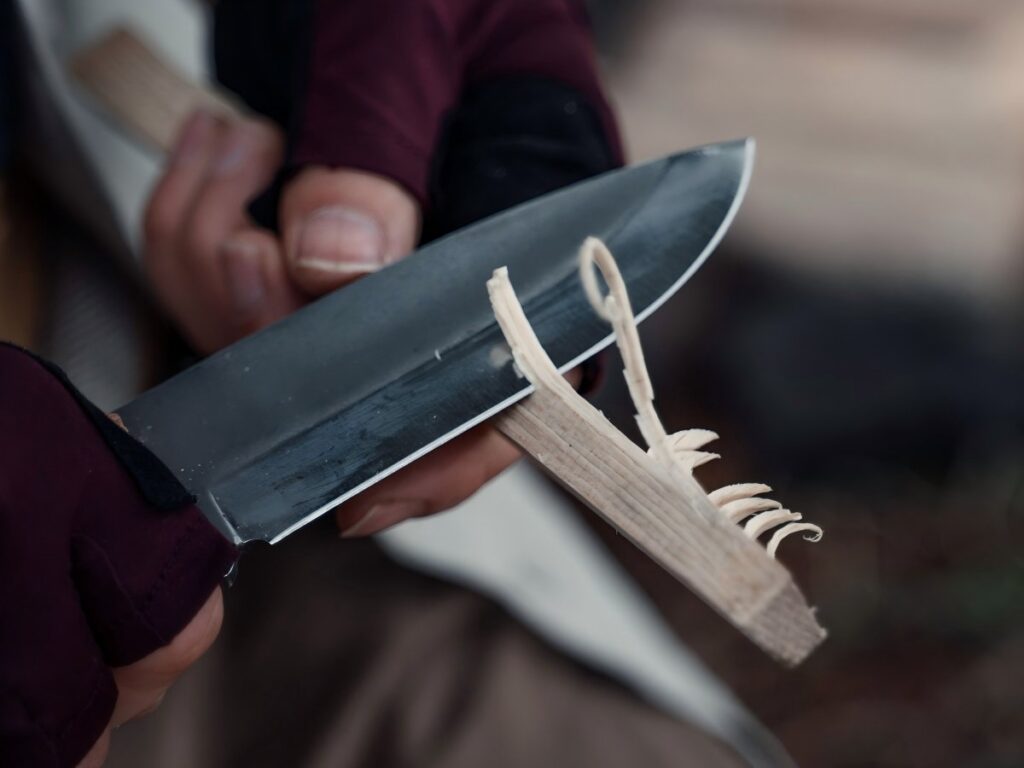
420HC has the clear advantage. Lower carbon and a softer matrix absorb impact far better, so edges rarely chip or crack from prying, twisting, or batoning wood. This is why it’s the standard for heavy-use outdoor and multi-tools.
154CM is not brittle — at 58–61 HRC it handles most EDC and light hunting tasks fine. It simply cannot absorb the same level of rough, uncontrolled impact as 420HC.
Corrosion Resistance
420HC is slightly more forgiving. Both are full stainless steels with 13–14% chromium, but 420HC’s low carbon leaves more free chromium available to block rust. It tolerates forgotten water spots, sweat, and saltwater exposure far better.
154CM still outperforms carbon steels like D2 or 1095 by a wide margin, but coastal and swamp users will notice fewer surface spots with 420HC.
Ease of Sharpening
420HC is the clear winner for casual users. Its softer, simpler structure sharpens quickly on basic whetstones, ceramic rods, or cheap pull-through sharpeners. This low-maintenance trait is a major selling point for entry-level consumer knives.
154CM is not hard to sharpen, but its higher wear resistance takes noticeably longer. It rewards users with longer edge life, but requires more time and effort during maintenance.
Hardness Range
154CM reaches higher working hardness with standard factory heat treat: 58–61 HRC vs 56–60 HRC for 420HC. Cryo treatment can push 420HC to 61–62 HRC, but the extra cost erases its core budget advantage.
Start Working with a Professional Now
Application Guide: Match Steel to Your Knife Type
Quick selection: 420HC vs 154CM
| Factor | 420HC | 154CM |
|---|---|---|
| Best For | Budget EDC, kitchen knives, camping, coastal use | Premium EDC, hunting knives, dry urban carry |
| Key Strengths | Better toughness, easier sharpening, more forgiving corrosion resistance, lower cost | Longer edge retention, higher wear resistance, premium steel recognition |
| Typical Price Tier | $25–$80, mass market | $60–$150, mid-premium |
Scenario 1: Premium EDC and tactical folders
Recommended: 154CM
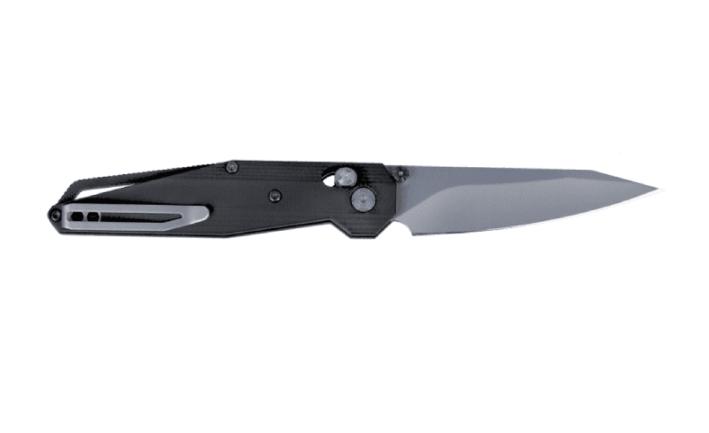
For $70–$150 EDC and tactical folders, 154CM hits the sweet spot of long edge life, solid corrosion resistance, and enthusiast-recognized branding. Daily carry buyers want fewer sharpening stops, and 154CM delivers without the production complexity of powder steels.
Most OEM knife manufacturers use it for mid-premium lines to signal quality at scalable cost.
Seller & OEM takeaway: Fits the $70–$150 segment where performance and perceived value both need to be high. Note: Tighter heat-treat tolerances and longer grinding time raise per-unit production costs vs 420HC.
Scenario 2: Budget EDC, multi-tools, and gift knives
Recommended: 420HC
For $25–$70 products, 420HC is nearly unbeatable. Low material cost, forgiving heat treat, and easy sharpening make it perfect for high-volume production. Casual first-time buyers value zero-fuss maintenance, and 420HC delivers exactly that.
It works equally well for multi-tools, entry-level fixed blade knives, and branded promotional knives.
Seller takeaway: The top value option for entry-level and mid-market lines where cost control is critical to healthy margins.
Scenario 3: Hunting, bushcraft & outdoor fixed blades
Recommendation depends on environment and use intensity
- Dry inland small-game skinning & field dressing → 154CM
Longer edge life means fewer sharpening breaks during all-day hunts, and light precision cutting carries almost no chipping risk. Ideal for mid-premium hunting lines targeting detail-focused hunters. - Coastal fishing, swamp hunting, or frequent rain → 420HC
Extra free chromium delivers far better salt-spot resistance. Even if users forget to wipe seawater or mud off overnight, rust risk stays much lower. - Heavy bushcraft: batoning wood, prying bark/bones → 420HC
Its shock-resistant matrix prevents edge chips under heavy force — a non-negotiable for camp users who regularly abuse blades for rough labor.
Seller takeaway: Market 154CM to dry-land precision hunters; position 420HC as the all-weather workhorse for camping, fishing, and coastal outdoor lines.
Scenario 4: Kitchen knives
Neither steel is a mainstream choice for mass-market kitchen cutlery — both have clear culinary downsides:
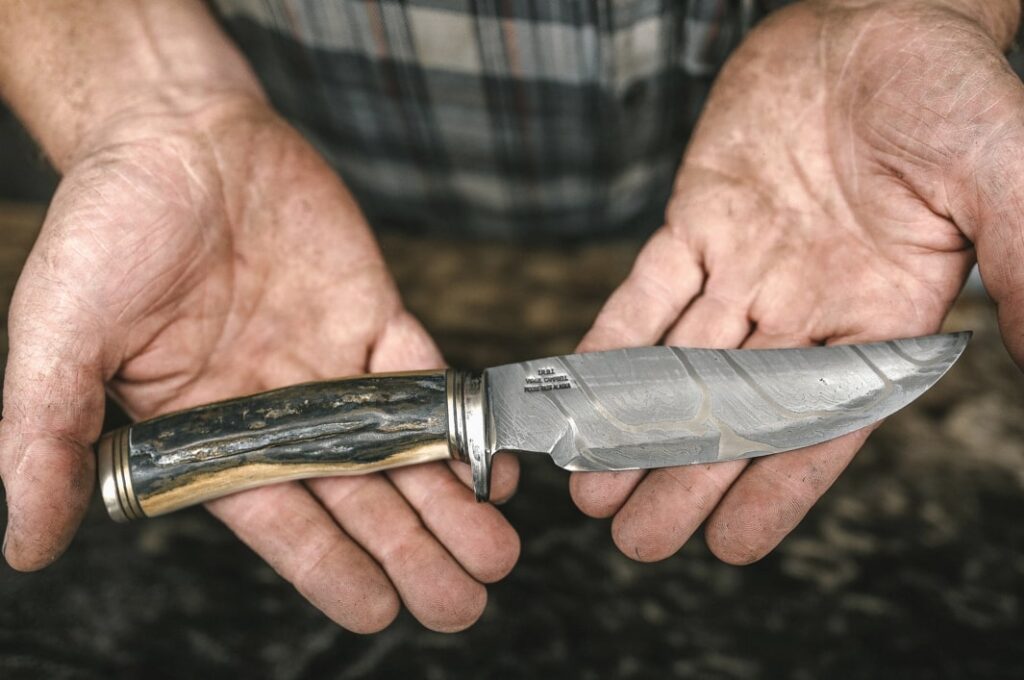
- 154CM: Only viable for ultra-limited handmade premium chef knives. High material cost pushes retail prices out of mainstream budgets, and fibrous vegetables dull edges quickly with slower resharpening.
- 420HC: Rarely used for kitchen lines. It dulls too fast for repetitive chopping, and dedicated culinary steels like 14C28N deliver better balance of rust resistance and sharpness at lower cost.
Seller takeaway: Skip both for core kitchen lines. Only use 154CM for small-batch luxury chef knife collections targeting ultra-niche high-end buyers.
Manufacturing cost analysis
What drives the price gap
- Raw material: Bulk 154CM bar stock costs 2.2–2.8x more than 420HC, driven by high carbon and molybdenum content.
- Heat treat: 154CM needs precise temperature control for optimal hardness. 420HC’s forgiving chemistry cuts scrap rates dramatically.
- Grinding & finishing: 154CM’s higher wear resistance increases machining time, raising per-unit labor costs.
- Brand perception: Enthusiasts recognize 154CM as an upgrade, supporting higher retail markup. 420HC competes on accessibility.
Value summary
Frequent users who prioritize minimal sharpening get strong long-term value from 154CM. Casual buyers, first-time owners, and low-maintenance users get unbeatable everyday value from cheaper 420HC.
Partner with Keganico for your knife line
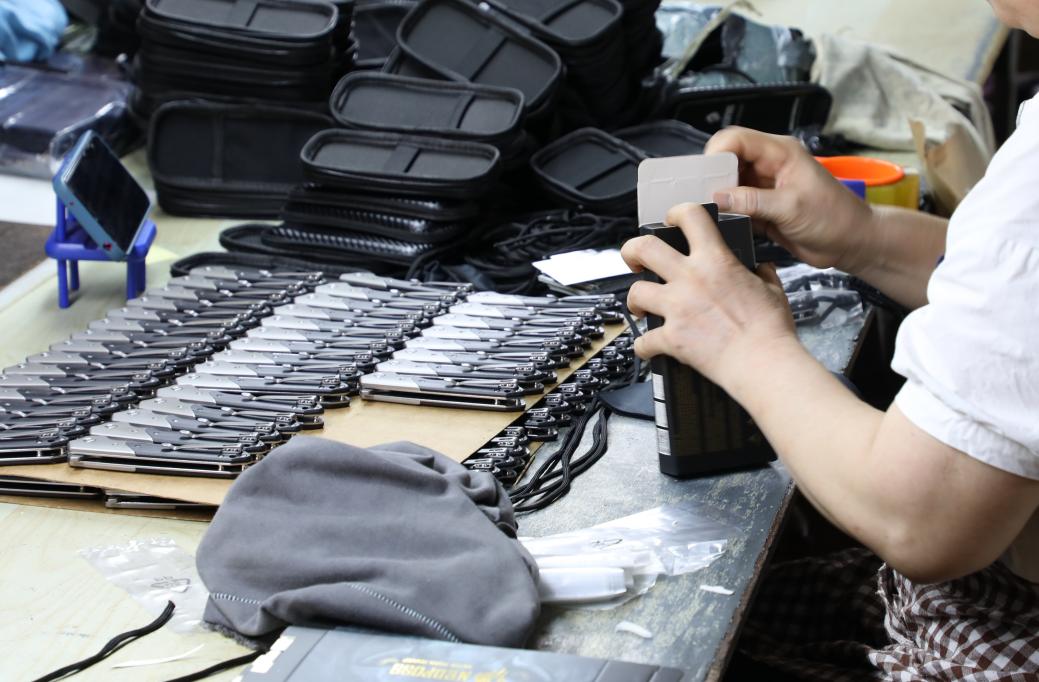
Whether you need 154CM’s premium edge performance or 420HC’s budget-friendly reliability, Keganico delivers custom blade sourcing and manufacturing matched to your exact specs.
Our core capabilities:
- Precision heat treatment calibrated for your chosen steel
- Uniform blade grinding and finishing for consistent edge geometry
- Full quality control including hardness verification
- Competitive pricing for small custom batches and large mass orders
Flexible service models for every business:
- OEM Manufacturing — Custom designs built to your brand specifications
- Private Label Knives — Your brand on proven, production-ready designs
- Wholesale Options — Stock finished knives at volume-discounted prices
Get Your Custom Production Quote Now to see why cutlery brands worldwide trust Keganico for consistent stainless steel knife manufacturing.
Related Reading
Frequently Asked Questions
Is 154CM universally better than 420HC?
No. 154CM wins on edge retention, hardness, and enthusiast brand appeal. 420HC wins on toughness, ease of sharpening, rust forgiveness, and production cost. The “better” steel depends entirely on what the end user values most.
Why does Buck Knives use 420HC so heavily?
Buck popularized 420HC because it’s cheap to source, easy to heat treat in large batches, and forgiving for casual users. Their Paul Bos heat treat pushes it to 58–60 HRC, delivering performance that far outpaces its low price point.
Are 420 and 420HC the same steel?
No. 420HC stands for High Carbon — an upgraded variant of standard 420 stainless. The extra carbon lets it reach higher hardness and hold an edge far better than basic 420 or 420J2.
Is 420HC good knife steel overall?
Yes. It’s a reliable budget-to-mid-range stainless steel known for toughness and stress-free sharpening. With proper heat treatment, its real-world performance easily outshines its affordable cost.
Which steel sharpens faster: 154CM or 420HC?
420HC sharpens noticeably quicker thanks to lower carbon and a softer matrix. 154CM takes more grinding effort, but delivers roughly double the usable cutting time between touch-ups.
What HRC do 154CM and 420HC reach?
Standard factory 154CM runs 58–61 HRC. Standard 420HC runs 56–60 HRC. Cryo treatment can push 420HC to 61–62 HRC, but eliminates its core cost advantage for mass production.
Can 420HC handle heavy batoning and prying?
Yes — this is one of its biggest strengths. The low-carbon matrix resists edge chipping under impact, making it the better pick for campers and bushcraft users who regularly use blades for rough non-cutting work.
Does 154CM rust faster than 420HC near saltwater?
Yes. In coastal or high-salt environments, 420HC offers a small but meaningful rust resistance advantage. 154CM locks more chromium into wear carbides to boost edge life, leaving less free chromium to block surface rust and pits.
Is the $20–$40 154CM premium worth it for regular buyers?
Only if they prioritize extended edge life and use the knife mostly for light, dry cutting. Anyone camping near water, batoning wood, or who dislikes sharpening will get more practical value from cheaper 420HC.
Which steel delivers higher OEM margins for large volume?
420HC consistently yields stronger margins for mass production: lower raw material cost, faster processing, and minimal scrap loss during heat treat and grinding. 154CM margins only work for limited-run premium lines with higher retail markup.
Can 154CM be used for budget mass retail lines?
Not practically. Expensive raw material, strict heat treat requirements, and slower grinding push production costs too high to hit sub-$60 price points with healthy margins. 420HC is the only viable option for mass-market budget lines.