
Two steels that frequently appear in premium knife conversations are 154CM and MagnaCut.
154CM is an American-made martensitic stainless steel, while MagnaCut is a powder-metallurgy stainless steel developed specifically for knife blades.
In performance, 154CM offers balanced edge retention and easy sharpening at a lower cost, while MagnaCut delivers higher edge stability, greater toughness, and superior corrosion resistance for demanding applications.
Both steels are excellent, but they serve different markets and different product strategies. In this guide, we compare 154CM and MagnaCut side by side. You will see the data, the real-world differences, and the business implications for OEM knife projects, wholesale lines, and custom production runs.
At-a-Glance Comparison
| Specification | 154CM | MagnaCut | What It Means for OEM |
|---|---|---|---|
| Hardness Range | 58–61 HRC | 60–64 HRC | MagnaCut supports thinner edge geometry and longer edge life. |
| Manufacturing | Ingot metallurgy | Powder metallurgy (CPM) | MagnaCut has finer, more uniform carbides. |
| Edge Retention | Good | Excellent | MagnaCut extends sharpening intervals by 30–50% in abrasive tasks. |
| Toughness | Good | Excellent | MagnaCut resists chipping under hard use and supports aggressive grinds. |
| Corrosion Resistance | Good | Very Good | MagnaCut outperforms most stainless steels in saltwater exposure. |
| Ease of Sharpening | Excellent | Good | 154CM responds faster on standard stones. |
| Heat Treatment Tolerance | High | Moderate | 154CM is more forgiving for high-volume production. |
| Retail Price Gap | Baseline | +$50–$100 | MagnaCut justifies premium positioning. |
What Is 154CM Steel?
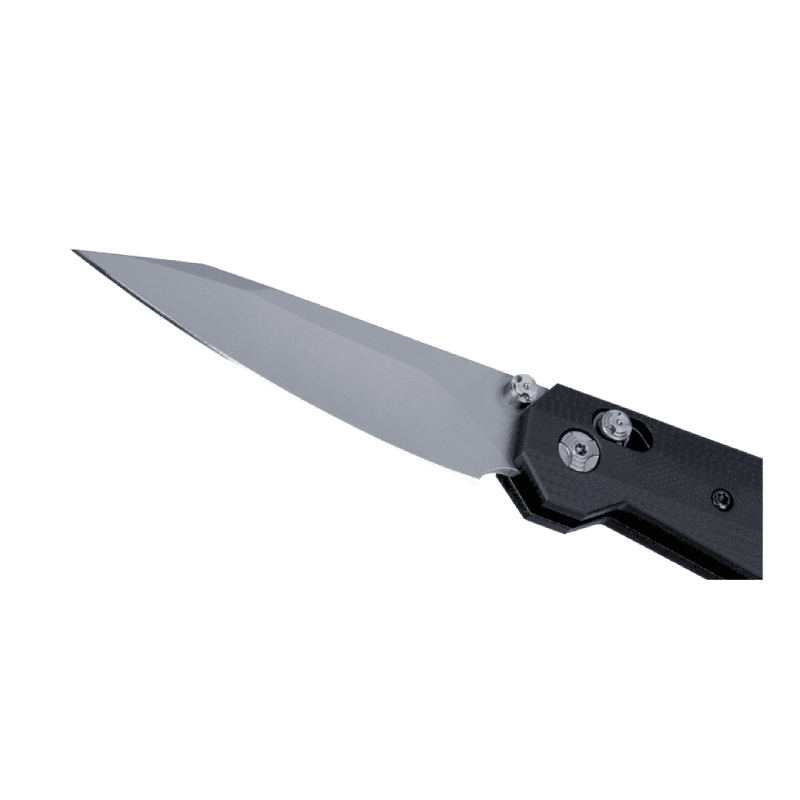
OEM Crossbar Lock Knife G10 Handle (3.48 Inch 154CM Blade)
154CM is an American martensitic stainless steel that Crucible Materials Corporation developed in 1959 for jet engine turbine blades. Its ability to handle high speeds and hot temperatures without significant wear or fatigue made it equally attractive for knife blades.
For decades, 154CM was considered a premium knife steel and widely used by custom makers and production brands. In Knife Steel Nerds’ independent metallurgical ratings, it scores 3.5 for toughness, 4.5 for edge retention, and 7 for corrosion resistance out of 10 — a solid all-around performer.
Today, 154CM sits in the mid-range to upper-mid-range category. Modern powder metallurgy steels outperform it in specific areas, but a well-heat-treated 154CM blade remains an excellent working knife when cost and ease of maintenance matter.
Key Characteristics of 154CM:
- Type: Conventional ingot stainless steel
- Developer: Crucible Industries (USA)
- Launch Year: 1959
- Hardness Range: 58–61 HRC
- Primary Application: EDC folders, kitchen knives, hunting knives, multi-tools
What Is MagnaCut Steel?
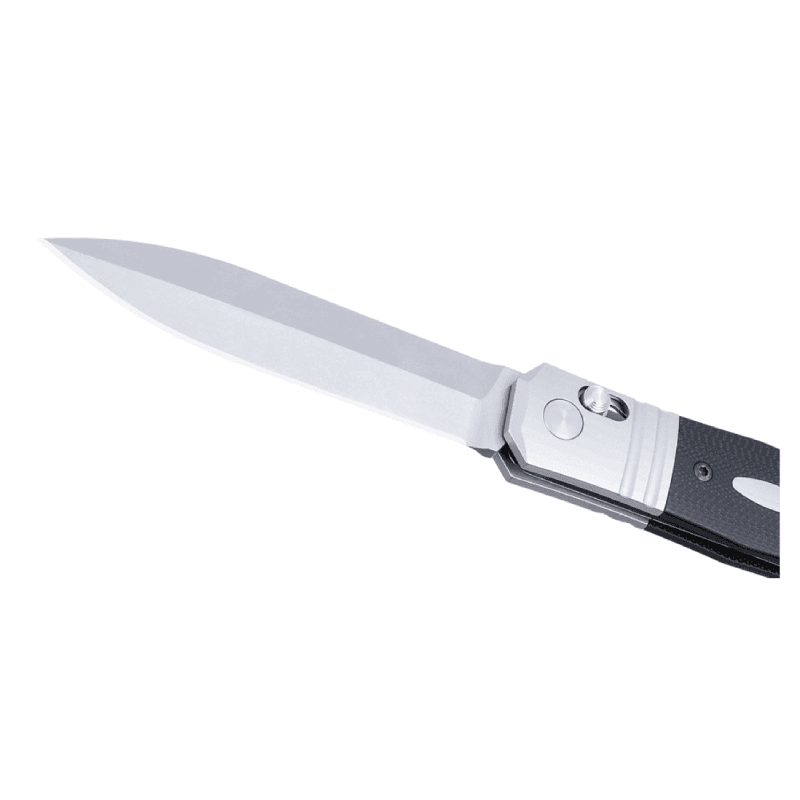
OEM Crossbar Lock Knife G10 Handle (4.06 Inch MagnaCut Blade)
CPM MagnaCut is a powder metallurgy stainless steel developed by Dr. Larrin Thomas and produced by Crucible Industries.
Introduced in 2021, it combines high edge retention, toughness, and corrosion resistance through a unique alloy design — reduced chromium (~10.7%) with added vanadium, niobium, and nitrogen — that creates a fine, uniform carbide structure.
In Knife Steel Nerds’ independent ratings, MagnaCut scores 7 for toughness, 5 for edge retention, and 9.5 for corrosion resistance, outperforming 154CM across all three categories.
Major brands like Benchmade, Spyderco, and Chris Reeve quickly adopted it for flagship models.
Key Characteristics of MagnaCut:
- Type: Powder metallurgy stainless steel
- Developer: Dr. Larrin Thomas / Crucible Industries (USA)
- Launch Year: 2021
- Hardness Range: 60–64 HRC
- Primary Application: Premium EDC, outdoor, tactical, kitchen, and marine knives
Chemical Composition: 154CM vs MagnaCut
| Element | 154CM | MagnaCut | Role |
|---|---|---|---|
| Carbon (C) | 1.05% | 1.15% | Base hardness contributor |
| Chromium (Cr) | 14.00% | 10.70% | Corrosion resistance; exceeds 13% stainless threshold |
| Molybdenum (Mo) | 4.00% | 2.00% | Enhances toughness and strength |
| Vanadium (V) | ≤0.4% (trace) | 4.00% | Wear resistance and fine carbide formation |
| Niobium (Nb) | — | 2.00% | Fine carbide formation; boosts toughness |
| Nitrogen (N) | — | ~0.20% | Refines grains; supports corrosion resistance |
Data sources: SB Specialty Metals 154CM datasheet, Knife Steel Nerds MagnaCut analysis
The composition table tells a story that many buyers miss at first glance. 154CM has more chromium, but MagnaCut has better corrosion resistance. This is because corrosion resistance depends not only on total chromium, but on how much chromium remains free in the steel matrix.
In 154CM, some chromium binds up in chromium carbides. In MagnaCut, chromium carbides are essentially absent. The result is more free chromium available to create the passive oxide layer that prevents rust.
The high vanadium and niobium content in MagnaCut creates very hard, very fine carbides. These carbides improve wear resistance and edge retention without the toughness penalty of larger chromium carbides.
This is why MagnaCut can run at 62–64 HRC while maintaining toughness that rivals some non-stainless tool steels.
Performance Benchmarks: 154CM vs MagnaCut
The table below uses standardized test data and industry ratings rather than subjective 1–10 scores.
| Performance Indicator | 154CM | MagnaCut | Winner |
|---|---|---|---|
| Edge Retention (CATRA) | ~120% vs 440C baseline | ~135% vs 440C baseline | MagnaCut |
| Toughness (Charpy C-Notch) | ~26 ft-lbs (CPM 154 at 60 HRC) | 30–38 ft-lbs (at 62.5 HRC) | MagnaCut |
| Corrosion Resistance | Good; requires maintenance in saltwater | Very Good; 1% saltwater 72h no rust | MagnaCut |
| Ease of Sharpening | Excellent on aluminum oxide stones | Good; diamond/CBN recommended for fastest results | 154CM |
| Hardness Range | 58–61 HRC | 60–64 HRC | MagnaCut |
| Price Range (same model) | $100-$160 | $150-$250 | 154CM |
The benchmark table shows the trade-off clearly. MagnaCut wins on performance metrics. 154CM wins on sharpening ease and price.
For sourcing managers, the question is not which steel is “better” in absolute terms, but which steel delivers the right value for a specific product line and target market.
Edge Retention
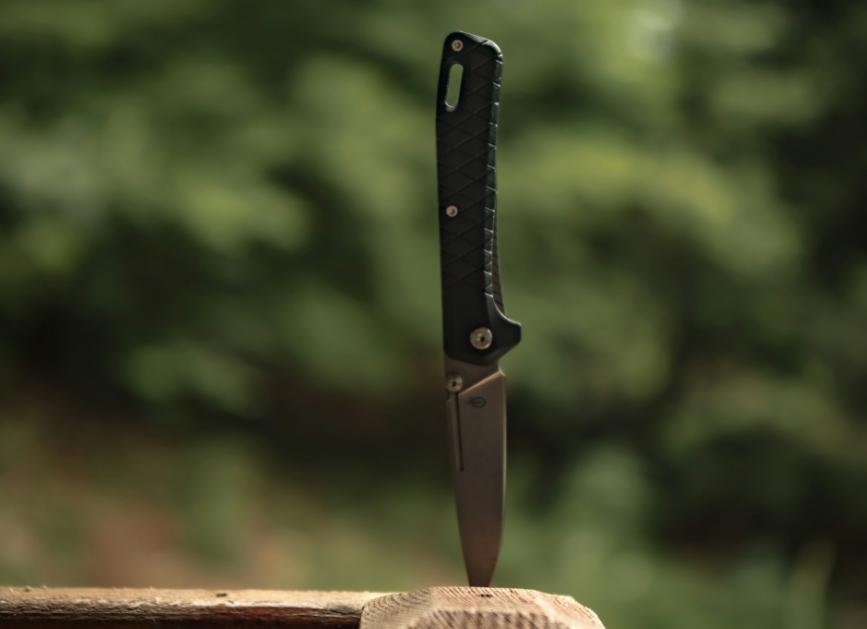
MagnaCut holds a working edge 30–50% longer than 154CM in abrasive cutting tasks like cardboard, rope, and carpet.
In Crucible’s CATRA testing, MagnaCut scored ~135% vs a 440C baseline at 62.5 HRC. Direct CATRA comparisons between 154CM and MagnaCut are not published, but field testing and maker feedback consistently show MagnaCut extends sharpening intervals by 30–50% in abrasive cutting tasks.
The gap comes from MagnaCut’s harder vanadium/niobium carbides, which resist abrasive wear better than 154CM’s softer chromium carbides. For light-duty use (packages, food prep), the difference is negligible.
Toughness
MagnaCut absorbs more impact without chipping, supporting thinner edge geometry (15–17°) than 154CM can safely handle (18–20°).
Crucible data shows MagnaCut at 30–38 ft-lbs Charpy impact vs ~26 ft-lbs for CPM 154 at equivalent hardness.
154CM is not fragile — it has served hard-use roles for decades — but MagnaCut gives makers a wider safety margin for aggressive grinds.
Corrosion Resistance
MagnaCut resists rust better than 154CM despite having less chromium, because it eliminates chromium carbides.
In 1% saltwater testing, MagnaCut showed no corrosion after 72 hours; in harsher 3.5% saltwater, it spotted slightly but still outperformed S30V and S35VN.
It is not a true marine-grade steel (below LC200N and Vanax), but it offers the best all-around balance of corrosion resistance, toughness, and edge retention in a premium hard-use stainless.
Choose MagnaCut for marine, fishing, or humid-climate knives; 154CM suffices for normal EDC and kitchen use with basic maintenance.
Ease of Sharpening
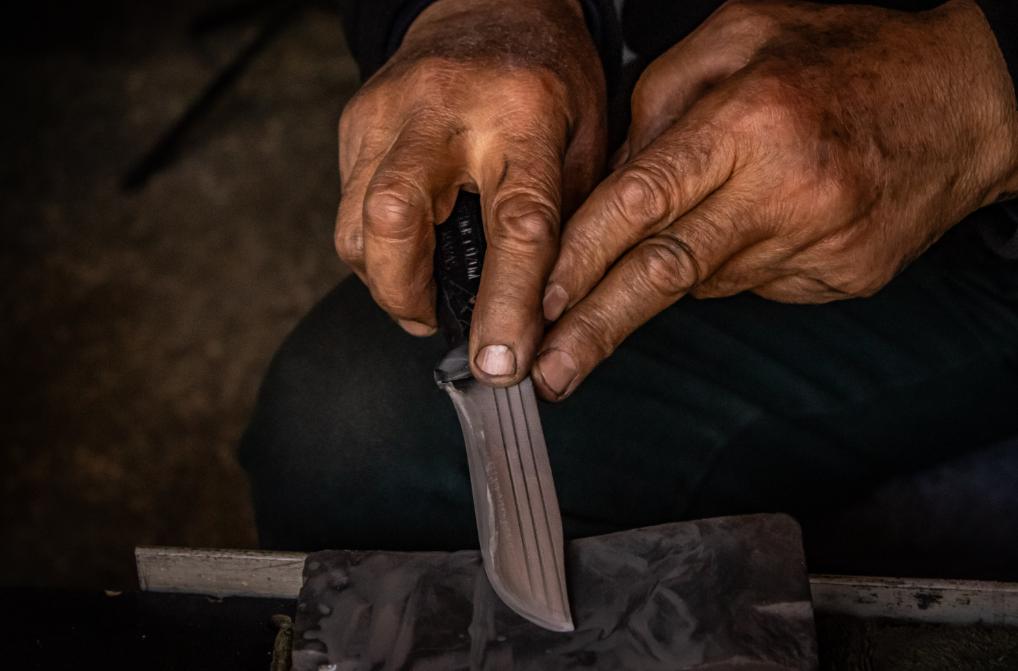
154CM is easier and faster to sharpen than MagnaCut. 154CM’s softer chromium carbides respond quickly to standard aluminum oxide stones.
MagnaCut’s harder vanadium/niobium carbides slow progress on standard aluminum oxide stones past medium grits; diamond or CBN abrasives work best for efficient sharpening.
For end users who touch up frequently, 154CM is more forgiving; for those who sharpen less often, MagnaCut’s longer edge life offsets the extra effort.
Hardness
154CM tops out at 58–61 HRC. Most production knives sit at 59–60 HRC for a balance of edge retention and toughness.
MagnaCut runs higher at 60–64 HRC. At 62–63 HRC it delivers an excellent balance of edge retention and toughness. At 64+ HRC edge retention improves further but toughness begins to decrease.
This flexibility lets makers tune MagnaCut for specific applications, though heat treatment and blade geometry matter as much as the steel name itself.
Application Guide
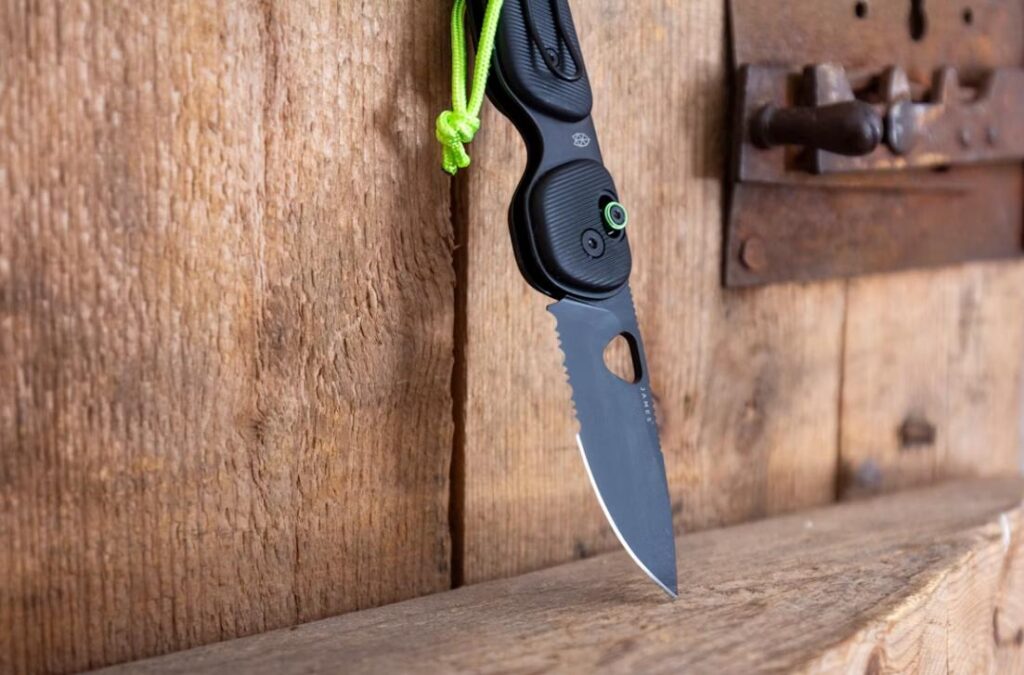
Steel properties only matter when they match the job. Below, we break down which knife types each steel serves best — and why its specific characteristics make it a good fit.
154CM: Best Applications
Kitchen Knives
154CM’s 14% chromium content handles the wet, acidic environment of a kitchen without complaint. Its real advantage here is sharpening ease — kitchen knives are touched up constantly, and 154CM responds quickly to standard stones and honing rods that most kitchens already have.
For high-volume kitchen knife programs, it also keeps grinding and finishing costs low.
Mid-Range EDC Folders
Most EDC cutting is light duty — packages, tape, food, occasional cordage. 154CM’s edge retention is more than enough for this workload, and its forgiving sharpening behavior suits buyers who maintain their own knives without diamond equipment.
At $80–$150 retail, it hits the price point where most EDC volume actually sells.
Hunting and Field Knives (Non-Marine)
Field dressing rewards toughness and easy resharpening over raw edge life. 154CM offers both, plus enough corrosion resistance for blood, moisture, and overnight exposure in camp.
Hunters also tend to sharpen in the field with basic tools — a strong match for 154CM’s simple maintenance.
Multi-Tools and Value Fixed Blades
Multi-tools see unpredictable, occasional use and are rarely pampered. 154CM’s proven heat treatment window keeps yield rates high in mass production, which matters when the blade is one component in a cost-sensitive assembly.
MagnaCut: Best Applications
Premium and Hard-Use EDC
MagnaCut’s toughness supports thinner edge geometry (15–17°) without chipping, which means a keener, better-slicing blade in daily carry.
Its edge retention extends sharpening intervals by 30–50%, and its corrosion resistance forgives pocket lint, sweat, and neglect. For flagship EDC models above $150, it gives brands a genuine performance story — not just a name.
Outdoor, Survival, and Bushcraft Knives
Hard use means batoning, prying-adjacent abuse, and days without maintenance. MagnaCut’s Charpy impact values (30–38 ft-lbs at 62.5 HRC) provide a wide safety margin against edge chipping and tip failure, while its stainless nature removes the rust worry that follows carbon steels like 1095 into wet environments.
Marine and Fishing Knives
This is where MagnaCut separates itself most clearly from 154CM. With essentially no chromium carbides, nearly all of its chromium stays free to form the protective oxide layer — in 1% saltwater testing, it showed no corrosion after 72 hours.
For knives that live on boats, in tackle boxes, or in coastal humidity, it is the strongest all-around option short of dedicated marine steels like LC200N.
Professional Kitchen Knives
Commercial kitchens combine high cutting volume with harsh conditions — constant moisture, acidic ingredients, dish pits, and shared abuse.
MagnaCut’s edge retention survives the volume, its corrosion resistance survives the environment, and its toughness survives the abuse. It suits premium chef knives positioned for professionals and serious home cooks.
Tactical and Duty Knives
Duty blades need to work after months of neglect and survive unpredictable, high-stress use.
MagnaCut’s combination of high hardness potential (up to 64 HRC), toughness, and corrosion resistance covers all three failure modes — dulling, chipping, and rusting — in one steel. This is why brands like Benchmade and Spyderco adopted it for flagship tactical models.
The Short Version
Choose 154CM for mid-range kitchen knives, EDC folders, and hunting knives where value and easy maintenance drive the purchase decision.
Choose MagnaCut for premium EDC, outdoor, marine, professional kitchen, and tactical knives where performance justifies a higher price — and where the steel name itself strengthens the marketing story.
Manufacturing & Sourcing Considerations for OEM Buyers
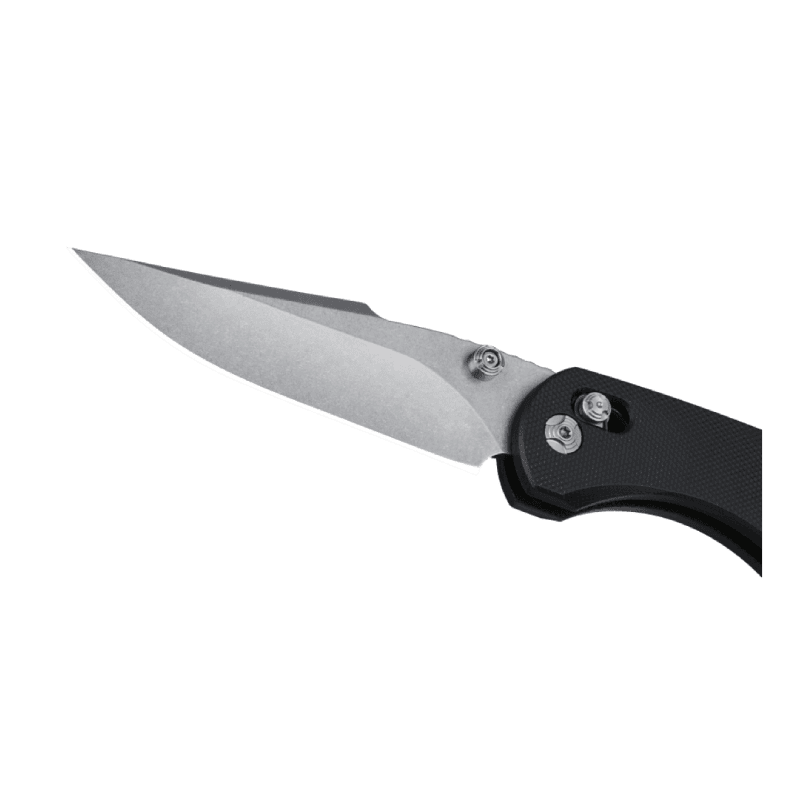
OEM Crossbar Lock Knife G10 Handle (3.70 Inch 154CM Blade)
For brand owners and sourcing managers, steel selection is not just a performance decision — it is a supply chain and production decision. Here are the practical factors that affect your bill of materials, lead times, and yield rates.
Heat Treatment Complexity
154CM tolerates a wide heat treatment window. Most commercial heat treaters in China and the U.S. can run it reliably at 58–61 HRC with standard oil or plate quenching. Yield rates are typically high, and rework is minimal.
MagnaCut demands tighter process control than 154CM. Optimal results require precise austenitizing, plate quenching, and cryogenic treatment.
Our Experience: In our Yangjiang facility, we typically see 154CM yield rates above 95% at 60 HRC on standard production runs.
Machining and Grinding
MagnaCut’s high vanadium and niobium carbide content increases abrasive wear on grinding belts and sharpening stones.
In our grinding department, we observe approximately 20–30% higher belt consumption on MagnaCut compared to 154CM at equivalent hardness. This adds a small but measurable cost per unit in mass production.
154CM machines and grinds more predictably. It is less abrasive on tooling, which makes it cost-effective for high-volume kitchen knife and EDC folder runs.
Domestic Sourcing Availability
154CM is widely available through global distributors. Lead times are typically 4–6 weeks for standard bar stock.
MagnaCut is newer and the supply chain is more concentrated. As of 2026, Crucible and authorized distributors (Niagara Specialty Metals, Alpha Knife Supply) are the primary channels. Lead times can extend to 8–12 weeks depending on diameter and order volume.
For OEM projects, we recommend confirming steel availability before finalizing product timelines.
Start Working with a Professional Now
Cost and Market Pricing
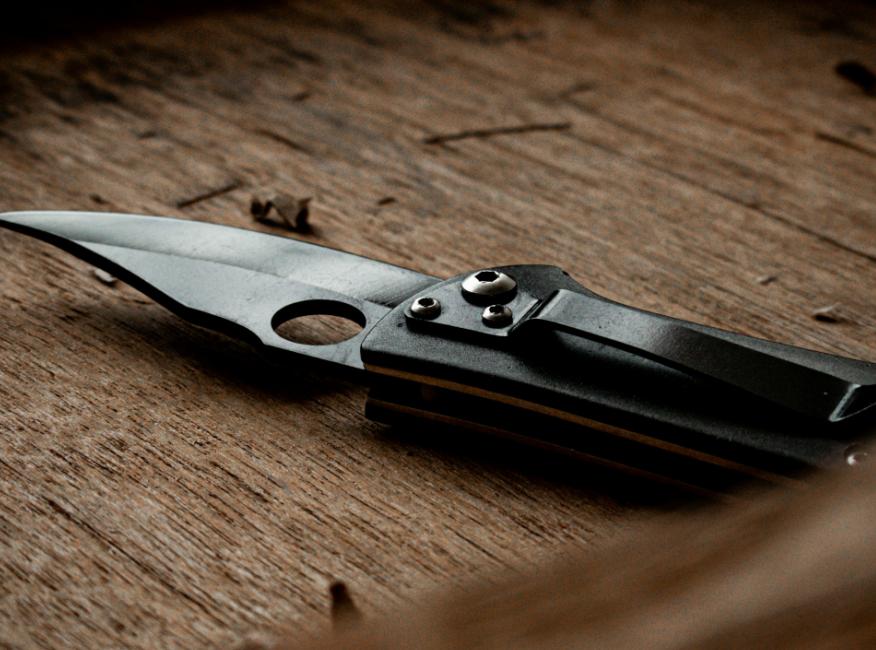
For B2B buyers and OEM projects, the difference affects product positioning:
| Price Tier | Typical Steel | Best For |
|---|---|---|
| Budget/Entry | 8Cr13MoV, 420HC, AUS-8 | Price-sensitive markets |
| Mid-Range | 154CM, D2, VG-10 | General EDC, outdoor, kitchen |
| Premium | S35VN, MagnaCut, Elmax | Enthusiasts, hard use, marine |
For mass production, 154CM offers a lower bill of materials and easier sourcing. MagnaCut commands a premium but supports a higher retail price and stronger marketing story. Many brands use both steels across different product tiers.
Let Keganico Help You Choose the Right Steel
MagnaCut holds an edge longer, resists impact better, and fights rust more effectively than 154CM. For premium product lines and demanding users, it is the better technical choice.
154CM remains a practical, cost-effective steel. It sharpens easily, performs reliably, and keeps retail prices accessible. For mid-range EDC, kitchen, and outdoor knives, it still makes sense.
For brand owners and sourcing managers, the decision usually comes down to positioning. Use 154CM to compete on value. Use MagnaCut to compete on performance and premium appeal. Many successful brands offer both.
At Keganico, we support OEM knife manufacturing, private label programs, and wholesale knife supply. Our team can help you select the right steel, optimize heat treatment, and control costs for your product line.
Ready to source your next knife line? Request a free quote or contact Keganico to discuss 154CM, CPM 154, MagnaCut, and other blade steels.
Frequently Asked Questions
Is 154CM a premium steel?
Yes, 154CM is generally considered a premium or upper-mid-range stainless steel. It was once a top-tier choice for custom and production knives.
Today, newer powder metallurgy steels like MagnaCut, S35VN, and M390 outperform it in specific areas, but a well-heat-treated 154CM blade remains an excellent working knife.
What is the difference between 154CM and CPM 154?
The chemistry is almost identical, but the manufacturing process differs. 154CM is made by conventional ingot metallurgy, while CPM 154 uses Crucible’s powder metallurgy process.
CPM 154 has finer, more uniform carbides, giving it slightly better toughness and consistency.
Will 154CM steel rust?
154CM can rust if neglected, but it resists corrosion well under normal conditions. The 14% chromium content qualifies it as stainless.
Regular cleaning and occasional oiling will prevent rust even in humid environments. It is not ideal for prolonged saltwater exposure without care.
Is 154CM steel easy to sharpen?
Yes, 154CM is considered easy to sharpen for a high-performance stainless steel. It contains only softer chromium carbides, so it responds well to standard aluminum oxide stones. Most users can restore a sharp edge in 10–15 minutes.
Is MagnaCut worth the money?
MagnaCut is worth the premium if you need the best balance of edge retention, toughness, and corrosion resistance in a stainless steel.
For users who only perform light cutting, the difference over 154CM may not justify the cost. For hard-use, marine, or premium EDC knives, the upgrade is meaningful.
Can my current heat treater handle MagnaCut?
Not necessarily. MagnaCut requires tighter temperature control and cryogenic treatment for optimal results.
Before committing to MagnaCut for a production run, confirm that your heat treater has documented experience with CPM MagnaCut — not just general CPM steels like S30V or S35VN. If they do not, factor in the cost and time of finding a qualified partner.