8670 steel is a nickel-alloy, oil-hardening steel prized for extreme toughness and resistance to breakage. A2 steel is an air-hardening tool steel that delivers better edge retention and dimensional stability at comparable hardness. For most knife sellers, the choice depends on the product line:
- Choose 8670 for fixed blade knives, large outdoor knives, and blades where toughness matters more than abrasive wear resistance.
- Choose A2 for pocket knives and EDC blades where edge retention and stable heat treatment are priorities.
- Neither is stainless. Both require care or coatings in humid environments.
- In real-world use, the heat treatment and edge geometry often matter more than the steel name itself.
Quick Decision Matrix
| Use Case | 8670 Steel | A2 Steel | Recommended Choice |
| Large fixed blade / survival knives | Excellent shock resistance | Good, but can microchip under impact | 8670 |
| Pocket knives / EDC folders | Good, but dulls faster on abrasive media | Better edge retention and stability | A2 |
| Hunting knives | Strong for batoning and heavy cuts | Good for field dressing and detail work | 8670 for hard use, A2 for precision |
| Kitchen knives / chef knives | Moderate edge retention | Better working edge, but rusts without care | A2 with care instructions |
| Outdoor / camp knives | Excellent for chopping and abuse | Good all-around performance | 8670 |
| Budget-oriented product lines | Often lower material cost | Slightly higher due to tool steel premium | 8670 |
| Premium hard-use positioning | Strong story: “tough as spring steel” | Strong story: “air-hardened tool steel” | Either, depending on brand |
What Is 8670 Steel?
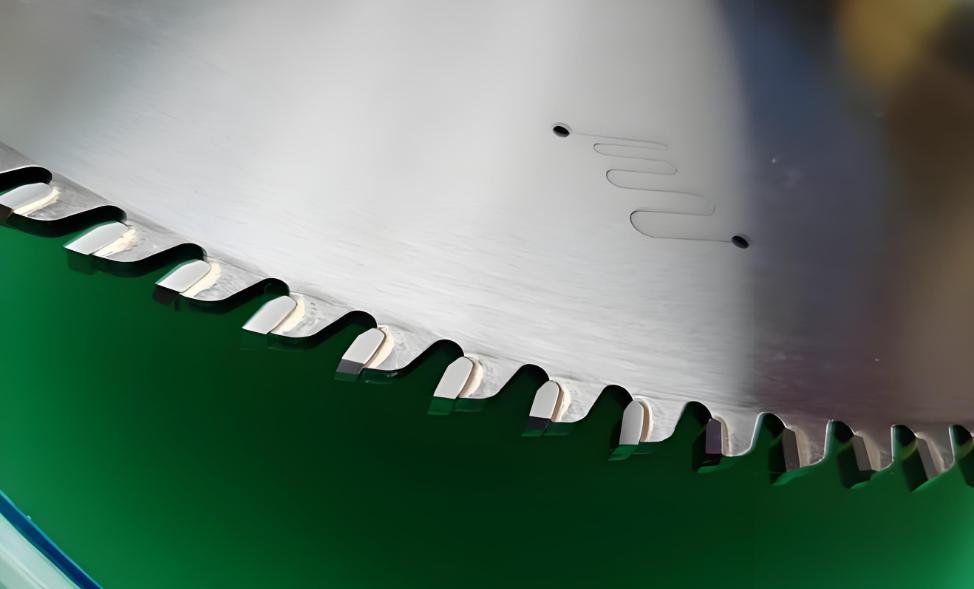
8670 is a low-alloy steel from the SAE/AISI 86xx series, originally developed during World War II to conserve critical alloying elements. It is often compared to L6 tool steel because both are nickel-bearing alloys that excel in heavy-duty industrial applications such as circular saw blades and bandsaws. Bladesmiths adopted it because the nickel content gives it outstanding impact toughness and resistance to brittle failure.
Key characteristics:
- Carbon content around 0.64–0.75%
- Contains 0.70–1.00% nickel, which dramatically improves fracture resistance
- Oil-hardening and relatively forgiving during heat treatment
- Typical knife hardness: 57–62 HRC
- Best known for: extreme toughness, spring-like resilience, and ease of sharpening
For knife makers, 8670 is often the go-to steel when a blade must survive bending, chopping, or shock loads without snapping. It is especially popular in large fixed blade knives, survival knives, and swords where catastrophic breakage is unacceptable.
What Is A2 Steel?
A2 is an air-hardening, cold-work tool steel. In the spectrum of cold-work tool steels, it sits between the oil-hardening O1 and the high-carbon, high-chromium D2. It was developed for punches, dies, and cutting tools that need a balance of wear resistance and toughness. In the knife world, A2 is valued because it offers better edge retention than simple carbon steels while remaining tougher than high-chromium steels like D2.
Key characteristics:
- Carbon content around 0.95–1.05%
- Contains 4.75–5.50% chromium, which boosts wear resistance
- Air-hardening for better dimensional stability
- Typical knife hardness: 57–62 HRC, with some makers pushing to 63 HRC
- Best known for: balanced toughness, good edge retention, and stable heat treatment
A2 tool steel is equivalent to DIN 1.2363 (also known as X100CrMoV5) in European catalogs, JIS SKD12 in Japan, GB Cr5Mo1V in China, and AFNOR Z100CDV5 in France. It is not a stainless steel despite the chromium content. The chromium in A2 primarily forms hard carbides for wear resistance rather than providing corrosion protection.
| Standard | Designation |
| AISI/ASTM (USA) | A2 |
| DIN (Germany) | 1.2363 / X100CrMoV5 |
| JIS (Japan) | SKD12 |
| GB (China) | Cr5Mo1V |
| AFNOR (France) | Z100CDV5 |
| BS (UK) | BA2 |
Chemical Composition: 8670 vs A2
Understanding the 8670 steel composition explains why these steels behave so differently at the edge.
| Element | 8670 Steel | A2 Steel | Role in Performance |
| Carbon (C) | 0.64–0.75% | 0.95–1.05% | Hardness and edge retention potential |
| Chromium (Cr) | 0.30–0.50% | 4.75–5.50% | Wear resistance and hardenability |
| Nickel (Ni) | 0.70–1.00% | Low | Toughness and fracture resistance |
| Molybdenum (Mo) | 0.08–0.15% | 0.90–1.40% | Hardenability and temper resistance |
| Vanadium (V) | Low | 0.15–0.50% | Fine grain and wear resistance |
| Manganese (Mn) | 0.40–0.60% | 0.40–1.00% | Hardenability and strength |
| Silicon (Si) | 0.20–0.35% | 0.10–0.50% | Deoxidation and strength |
Data sources: Knife Steel Nerds (8670 Heat Treat), zknives 8670 composition, ASTM Steel A2 Properties; verify with your supplier’s MTR.
What the Chemistry Means for Knife Sellers
- 8670’s nickel content is the key differentiator. Nickel improves low-temperature toughness and reduces the risk of sudden fracture. This is why 8670 survives impacts that would chip or crack higher-carbon steels.
- A2’s higher carbon and chromium create more carbides in the microstructure. More carbides mean better abrasive wear resistance and longer edge life, but they also make the steel slightly more prone to microchipping under impact.
- A2 is not stainless. At roughly 5% chromium, it has slightly better stain resistance than simple carbon steels, but it will rust without care. This is a common misconception to address in product descriptions.
Start Working with a Professional Now
8670 vs A2: Performance Scorecard
This knife steel chart summarizes how 8670 and A2 compare across the properties that matter most to end users.
| Performance Indicator | 8670 Steel | A2 Steel | Winner |
| Toughness | 9.0/10 ★★★★★ | 6.0/10 ★★★★☆ | 8670 |
| Edge Retention | 4.5/10 ★★★☆☆ | 6.5/10 ★★★★☆ | A2 |
| Corrosion Resistance | 3.0/10 ★★☆☆☆ | 4.5/10 ★★★☆☆ | A2 |
| Ease of Sharpening | 8.5/10 ★★★★★ | 6.0/10 ★★★★☆ | 8670 |
| Hardness (HRC) | 57–62 | 57–62 | Tie |
| Wear Resistance | 4.0/10 ★★★☆☆ | 7.0/10 ★★★★☆ | A2 |
| Dimensional Stability | 6.0/10 ★★★★☆ | 8.5/10 ★★★★★ | A2 |
Note: These ratings are qualitative and depend heavily on heat treatment, blade geometry, and hardness target. For detailed metallurgical ratings, see Knife Steel Nerds’ steel ratings.
Detailed Performance Breakdown
Toughness
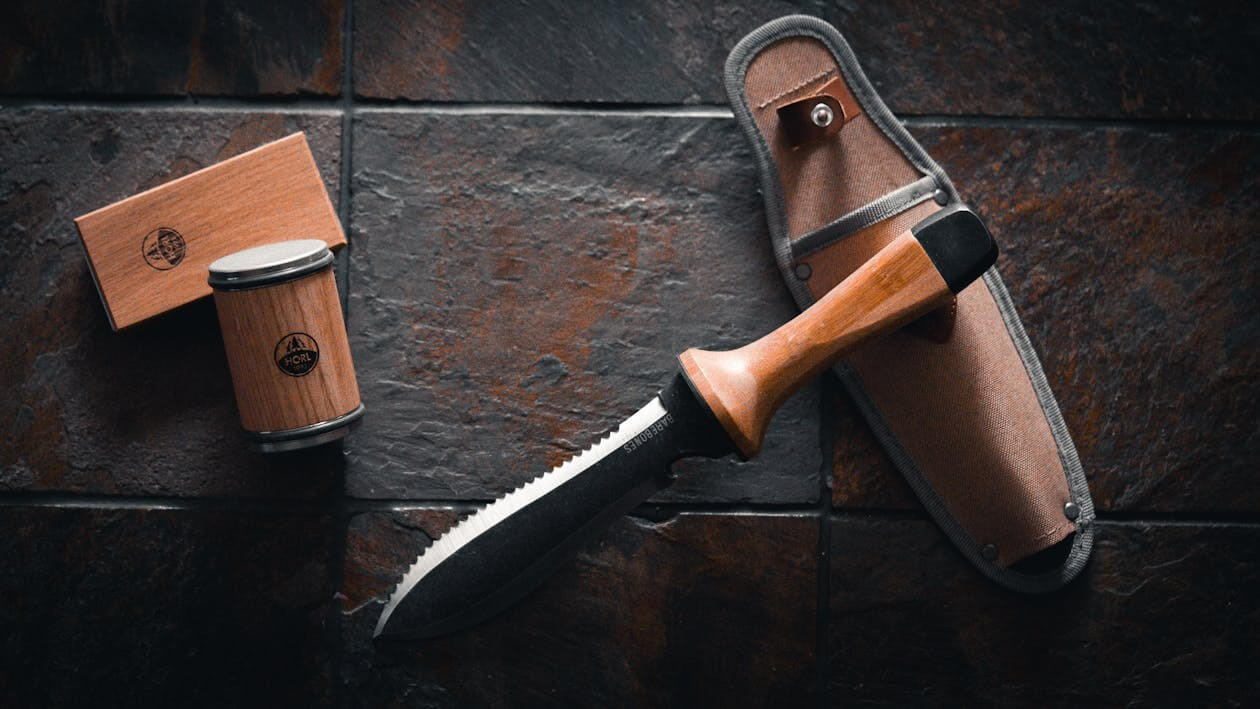
Toughness is the standout advantage of 8670 steel. In impact tests and real-world abuse, 8670 consistently outperforms A2 at similar hardness levels. The nickel content and lower carbide volume allow the steel to bend and absorb energy rather than cracking.
For knife sellers, this translates into fewer field failures. Large fixed blade knives and survival knives made from 8670 can handle batoning, prying, and chopping without the brittle fractures that damage brand reputation.
A2 is still tougher than many high-alloy steels like D2 or S30V, but it cannot match the shock tolerance of 8670 in thin edges or long blades.
Edge Retention
A2 wins on edge retention, especially in abrasive cutting media. The higher carbon and chromium content produce more carbides, which resist wear from cardboard, rope, fiberboard, and dirty packaging materials.
8670 holds a respectable edge for general use, but it dulls faster than A2 in abrasive conditions. The trade-off is that 8670 tends to lose bite through rolling or polishing rather than chipping, which makes it easier to touch up in the field.
Corrosion Resistance
Neither steel is stainless. Both will rust if left wet or stored in humid sheaths.
- 8670 has minimal chromium protection and rusts readily without oil.
- A2 has about 5% chromium, which slows staining slightly but does not make it corrosion-resistant.
For product lines sold into humid, marine, or kitchen markets, consider adding coatings, forced patina instructions, or steering buyers toward stainless options like 14C28N or Nitro-V.
Ease of Sharpening
8670 is noticeably easier to sharpen than A2. Its lower carbide volume means standard whetstones restore a keen edge quickly. This is a strong selling point for outdoor knives and survival tools where users may need to sharpen in the field.
A2 requires more effort and benefits from harder abrasives such as diamond stones or ceramic rods. The upside is that it needs sharpening less often under normal use.
Hardness and HRC
The typical HRC ranges are:
- 8670: 57–62 HRC
- A2: 57–62 HRC, with some makers reaching 63 HRC
How hard is 58–60 HRC? At this range, a blade is hard enough to hold a working edge for extended use but soft enough to avoid extreme brittleness. Most production knives fall between 58 and 60 HRC because it balances edge retention, toughness, and sharpening ease.
Pushing 8670 above 62 HRC can reduce its toughness advantage. Pushing A2 above 62 HRC increases the risk of microchipping unless edge geometry is made thicker.
Heat Treatment and Manufacturing Considerations
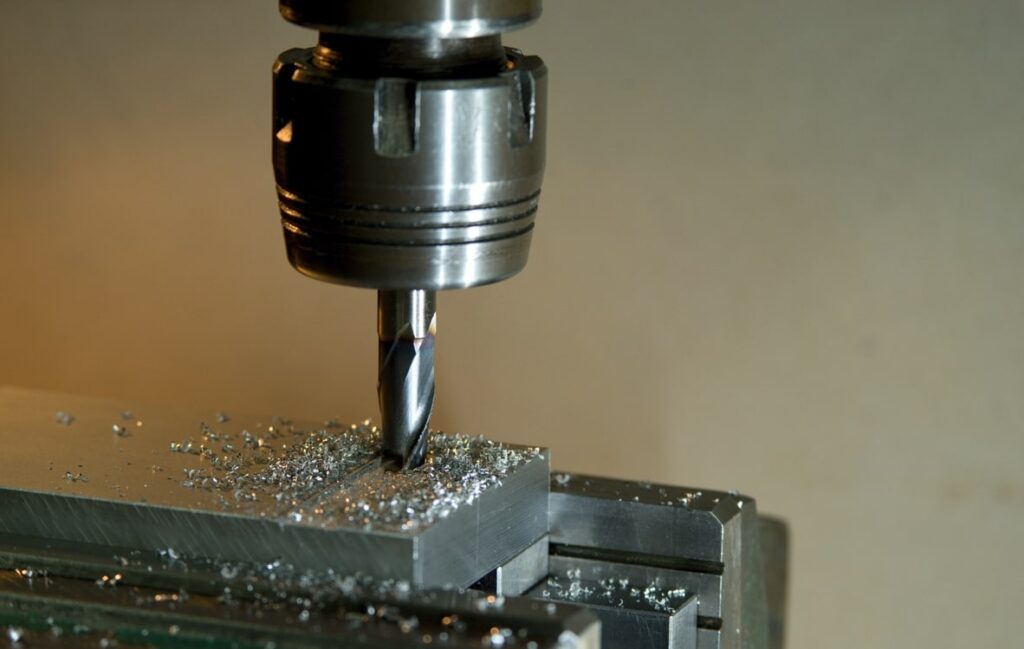
For OEM buyers, heat treatment behavior affects yield, consistency, and cost as much as the alloy itself. A steel that looks perfect on paper can become expensive if it warps in the quench, consumes abrasive belts, or requires rework after hardening.
| Manufacturing Concern | 8670 Steel | A2 Steel |
| Quench method | Oil quench | Air or plate quench |
| Dimensional stability | Moderate; oil quench can cause warpage | High; air hardening reduces distortion |
| Heat treat forgiveness | Highly forgiving | Moderate; requires controlled austenitizing |
| Risk of decarburization | Higher; surface decarb can weaken edges | Lower but still possible |
| Abrasive consumption in grinding | Moderate | Higher; carbides wear belts faster |
| Stock removal after hardening | Moderate | Higher effort |
Production Notes
- 8670 is a forgiving steel for heat treat shops. This makes it attractive for large production runs where consistency across batches matters.
- A2‘s air-hardening property reduces quench cracking and warping, which can improve yield on complex blade geometries. However, A2 can retain austenite if not tempered properly, so multiple temper cycles are common.
- Both steels benefit from protective atmosphere or vacuum heat treatment to avoid surface decarburization.
What Buyers and Sellers Often Get Wrong
One common mistake is choosing A2 for a large chopping knife because it has “better edge retention.” In reality, the thin edge geometry and high hardness that make A2 cut well also make it more likely to chip when the blade hits a knot, bone, or hard material. For these applications, 8670’s toughness advantage is worth the trade-off in edge life.
Another mistake is assuming that 8670 is “soft” because it is tough. Properly heat treated 8670 can reach 60–62 HRC, which is more than hard enough for most cutting tasks. The difference is that 8670 stays ductile at that hardness, while A2 becomes more brittle as it is pushed higher.
Finally, many sellers understate the maintenance requirements of both steels. Customers who expect stainless-level convenience will be disappointed. Clear product descriptions and care instructions reduce returns and negative reviews.
Application Guide for Knife Sellers
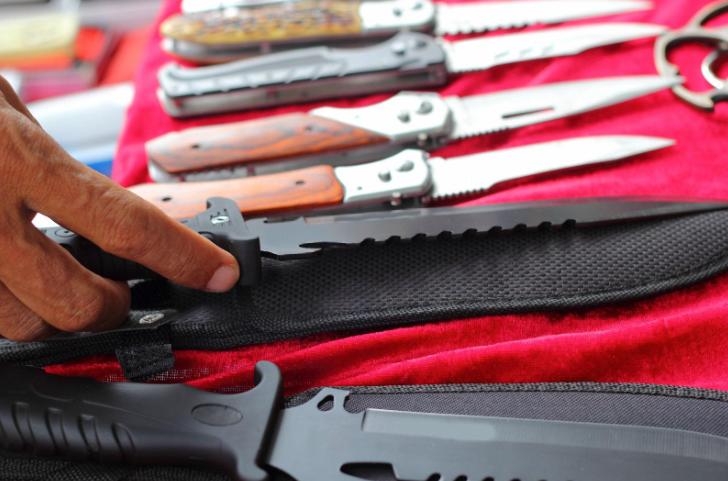
Choose 8670 For:
- Survival and bushcraft knives that will be batoned, chopped, or pried
- Large fixed blade knives where blade breakage is the worst possible failure
- Hunting knives used for heavy field processing
- Camp and outdoor knives that see rough handling
- Budget-friendly heavy-duty lines that need a “bomb-proof” story
- Product lines positioned around extreme toughness
Note: While some hard-use brands like Winkler Knives are often associated with tough steels, they primarily use 80CrV2 rather than 8670. However, 8670 serves an almost identical market segment with slightly higher toughness.
Choose A2 For:
- EDC pocket knives and folders where edge retention matters
- Hunting knives used primarily for skinning and detail work
- Kitchen knives and chef knives for buyers who accept carbon steel maintenance
- Medium-sized fixed blades for bushcraft and utility work
- Product lines positioned around all-around performance and stable heat treatment
Bark River Knives is a well-known example of a maker that widely uses A2 for bushcraft and hunting fixed blades.
Positioning Tip for Brands
If your target customer is an enthusiast who values low maintenance, neither steel is ideal. Point them toward stainless options. If your customer wants a “bomb-proof” hard-use blade, 8670 tells a stronger story. If your customer wants a work knife that stays sharp longer, A2 is the better narrative.
Edge Geometry Recommendations
The right edge geometry can make either steel perform better:
- 8670: Can support thinner edge angles and lower behind-the-edge thickness. Inclusive angles of 30–35 degrees work well for general use, while 25–30 degrees suit slicing tasks.
- A2: Benefits from slightly thicker geometry to avoid microchipping. Inclusive angles of 35–40 degrees are safer for hard use, while 30–35 degrees work for EDC and kitchen knives.
Communicating the intended use case helps end users understand why a particular steel and geometry were chosen.
Cost Analysis and Market Positioning
| Steel | Typical Positioning | Target Price Band | Notes |
| 8670 | Value tough steel / hard-use entry premium | $40–$100 | Lower alloy cost; strong story for outdoor brands |
| A2 | Premium tool steel / EDC work knife | $80–$180 | Higher material and grinding cost; longer edge life story |
Factors Affecting Cost
- Material cost: A2 tool steel typically costs more per pound than 8670 due to higher alloy content.
- Grinding and finishing: A2’s carbides are harder on belts and stones, increasing manufacturing cost.
- Heat treatment: Both are straightforward, but A2 may require more precise process control.
- Brand premium: A2 has more name recognition among knife enthusiasts, which can support higher retail pricing.
Value Assessment
8670 offers excellent value for brands that want to deliver a tough, reliable blade at a moderate price. A2 offers better margins for premium EDC and work knife lines where edge retention is a key selling point.
OEM Sourcing Considerations
When sourcing either steel in volume, consider the following:
- Supplier certification: Request mill test reports (MTRs) that confirm chemistry and hardness potential.
- Heat treat partner: Choose a heat treat shop with experience in the specific steel. A2 in particular benefits from controlled austenitizing and multiple temper cycles.
- MOQ and lead time: 8670 and A2 are both widely available, but pricing and availability vary by form and size. Plan for longer lead times on precision-ground A2.
- Testing protocol: Establish a hardness and toughness verification process for each batch to catch heat treatment issues early.
Working with an experienced OEM knife manufacturer can simplify material selection and quality control.
Start Working with a Professional Now
FAQ
Is 8670 steel good for knives?
Yes, 8670 steel is excellent for knives that prioritize toughness and impact resistance. It is particularly well suited to large fixed blade knives, survival knives, and outdoor blades. It is not ideal if edge retention or corrosion resistance is the top priority.
What is A2 tool steel equivalent to?
A2 tool steel is equivalent to DIN 1.2363 in European standards. It sits between O1 and D2 in the cold-work tool steel family, offering a balance of toughness and wear resistance.
How hard is 58–60 HRC?
58–60 HRC is a common hardness range for production knives. At this hardness, a blade holds a working edge well without becoming overly brittle. Most users find 58–60 HRC to be a practical balance of edge retention, toughness, and ease of sharpening.
What is A2 stainless steel equivalent to?
A2 is not stainless steel. With about 5% chromium, it has slightly better stain resistance than simple carbon steels like 1095, but it will rust without care.
It is important not to confuse A2 tool steel with A2 stainless steel fasteners. In the fastener industry, “A2” usually means AISI 304 stainless steel (also called 18-8), which contains about 18% chromium and 8% nickel. A2 tool steel has only about 5% chromium and is designed for wear resistance, not corrosion protection.
There is no true stainless equivalent to A2 tool steel because its chromium is focused on forming hard carbides rather than preventing rust.
Which is easier to sharpen, 8670 or A2?
8670 is easier to sharpen. Its lower carbide content allows standard whetstones to restore a keen edge quickly. A2 takes more effort and benefits from harder abrasives.
Can A2 or 8670 be used for kitchen knives?
Both can be used for kitchen knives, but neither is stainless. A2 is often preferred for kitchen knives because it holds an edge longer. However, both require immediate drying and occasional oiling to prevent rust.
Partner with Keganico for Your Next Knife Line
Choosing between 8670 and A2 steel is just one step in building a successful knife product. At Keganico, we help brands select the right materials, optimize heat treatment, and bring custom designs to market efficiently.
Our services include:
- OEM Manufacturing — Custom knife designs built to your specifications
- Private Label Knives — Market-ready designs with your branding
- Wholesale Options — Quality knives at competitive volume pricing
If you are unsure which steel fits your next product line, contact Keganico for a sourcing consultation.