14C28N is the modern evolution of Sandvik’s 12C27 family—and it wins where most buyers look first: hardness, edge retention, and rust resistance. So why do brands like Morakniv still build their best-selling outdoor knives on the older steel?
The answer matters for your margins. Choose wrong, and you pay twice: warranty claims from hard-use buyers, or material cost your price point cannot absorb. Choose right, and you get a spec-sheet advantage your competitors cannot easily copy.
Below, we compare the chemistry, the verified performance data, and the cost math—then name a winner for kitchen, outdoor, EDC, and budget knife lines.
Short on time? Here is the answer.
| Your knife line | Choose | Why |
|---|---|---|
| Kitchen & EDC | 14C28N | Better edge life and rust resistance |
| Outdoor & hard use | 12C27 | Tougher, easier to sharpen, lower cost |
| Budget mass-market (under $30) | 12C27 | Lowest unit cost; the performance gap rarely gets noticed |
| Mid-range and up | 14C28N | Premium spec sheet at a tiny cost increase |
One honest note: in daily cutting, most users cannot tell these steels apart. You are fine-tuning, not choosing between good and bad.
Steel Overview
What Is 12C27 Steel?
12C27 is a martensitic stainless knife steel developed by Sandvik (now Alleima) in Sweden, and it has served the knife industry for decades. It is the classic “Scandi steel”—the blade material behind countless Morakniv outdoor knives and traditional Nordic designs.
Core traits: excellent toughness, fine grain structure, and outstanding ease of sharpening. Production hardness typically runs 54–59 HRC, with optimized heat treatment reaching around 60–61 HRC. It is the proven, affordable workhorse of Scandinavian cutlery.
What Is 14C28N Steel?
14C28N is the modern upgrade, developed by Sandvik as an improvement over 12C27/13C26 and popularized through its adoption by Kershaw Knives. Its key innovation is 0.11% nitrogen, which boosts hardness and corrosion resistance without adding brittle carbides.
Core traits: higher hardness potential (55–62 HRC, typically 58–60 in production), superior corrosion resistance, and better edge retention. Dr. Larrin Thomas of Knife Steel Nerds has called it the “best budget knife steel,” and brands from Civivi to Kizer rely on it. For a deep dive, see our full 14C28N steel guide.
Chemical Composition Comparison
The short version: 14C28N is 12C27 plus nitrogen, with small tweaks to chromium, manganese, and silicon. Here is the side-by-side chemistry.
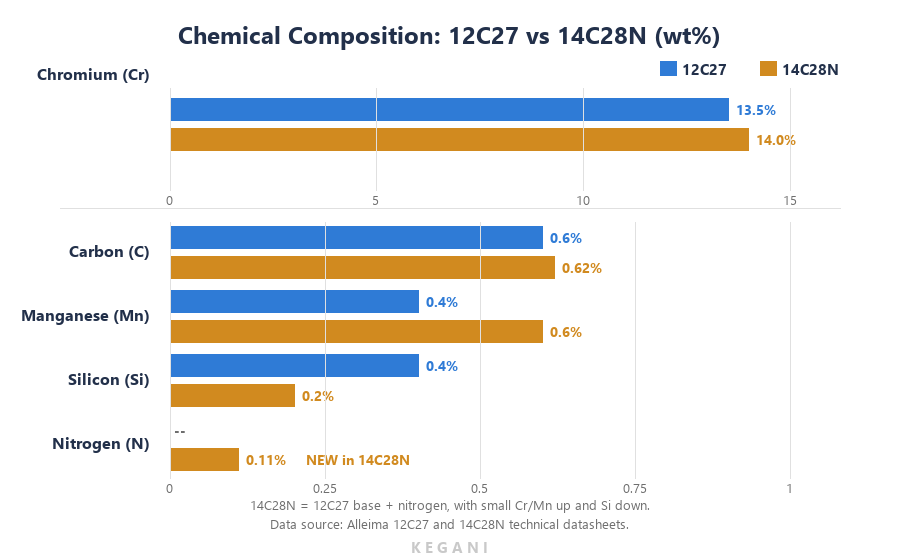
Data source: Alleima 12C27 datasheet, Alleima 14C28N datasheet
Key Chemical Differences
The big change: nitrogen. 14C28N adds 0.11% nitrogen, which does part of carbon’s job. It raises hardness without forming coarse carbides—and without using up chromium. As Knife Steel Nerds explains, more chromium stays free in the steel to fight rust, and pitting resistance improves sharply.
A little more chromium. 13.5% → 14.0%. Small on paper, but combined with nitrogen it gives 14C28N a clear edge in salt, acid, and humidity.
Manganese up, silicon down. Mn 0.40% → 0.60%, Si 0.40% → 0.20%. The practical effect: 14C28N hardens more evenly across blade thicknesses—good news for OEM knife manufacturers running high-volume production.
Start Working with a Professional Now
Performance Scorecard
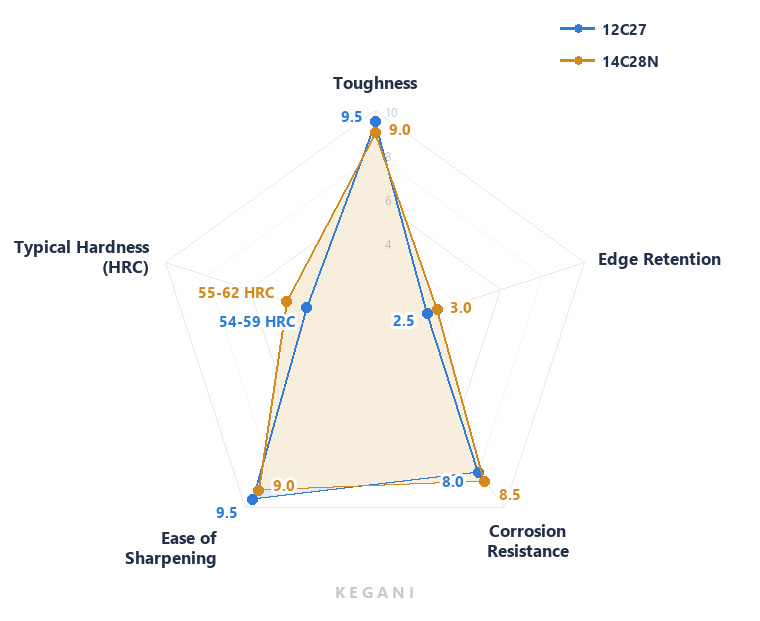
Five properties decide this matchup for commercial knife lines: hardness, edge retention, toughness, corrosion resistance, and ease of sharpening. Here is the head-to-head rating.
| Performance Metric | 12C27 | 14C28N | Winner |
|---|---|---|---|
| Hardness (HRC) | 54–59 (max ~61) | 55–62 (typical 58–60) | 14C28N |
| Edge Retention | 2.5/10 ★★☆☆☆ | 3.0/10 ★★★☆☆ | 14C28N |
| Toughness | 9.5/10 ★★★★★ | 9.0/10 ★★★★★ | 12C27 |
| Corrosion Resistance | 8.0/10 ★★★★☆ | 8.5/10 ★★★★☆ | 14C28N |
| Ease of Sharpening | 9.5/10 ★★★★★ | 9.0/10 ★★★★★ | 12C27 |
| Material Cost | Lower | Slightly higher | 12C27 |
Ratings are relative within the fine-grained stainless category. 14C28N figures reference Knife Steel Nerds steel ratings (toughness 9.0, edge retention 3.0, corrosion resistance 8.5); 12C27 ratings reflect published manufacturer data and industry testing.
The pattern is clear: 14C28N wins on performance ceilings, 12C27 wins on forgiveness and cost. Neither result should surprise—the newer steel was engineered to do exactly this.
Detailed Performance Breakdown
1. Edge Retention
14C28N holds an edge longer. This is the most meaningful real-world gap between the two steels. Its nitrogen-enhanced hardness keeps a working edge sharp through more slicing—food prep, cardboard, packaging—before you reach for a stone.
Both steels still sit in the modest edge-retention tier, though—neither competes with S30V or MagnaCut in abrasive cutting. Where they win instead is edge stability: fine carbides that support thin 15–17° edges, which slice more efficiently than thicker, harder edges.
2. Toughness and Edge Stability
12C27 is the tougher steel—and for hard-use blades, that matters more than anything else here. Its slightly softer, cleaner matrix lets the edge flex or micro-roll under lateral stress instead of chipping. This is why Scandinavian bushcraft brands still trust it for carving, batoning, and cold-weather hard use.
14C28N is still remarkably tough for its hardness—its 9.0/10 Knife Steel Nerds rating is more than double that of many premium steels. But at its 61–62 HRC ceiling, it gives up some of that forgiveness: fine for thin kitchen edges, risky for chopping or prying.
3. Corrosion Resistance
14C28N resists rust better, especially against salt, food acids, and sweat. Both are true stainless steels and shrug off everyday moisture—the gap only shows up under harsher exposure: saltwater, tropical humidity, daily kitchen use.
The reason is chemistry: 14C28N pairs 14% chromium with nitrogen, one of the best corrosion packages in any non-premium steel. 12C27 sits close behind at 13.5% Cr, but misses nitrogen’s pitting-resistance boost. For fishing knives, kitchen knives, or products headed to coastal markets, that gap means fewer rust complaints and returns.
4. Ease of Sharpening
12C27 is the easier steel to sharpen—though both are beginner-friendly. Neither needs diamond abrasives, unlike high-vanadium alloys such as M390. Standard whetstones or ceramic rods restore either edge in minutes.
12C27’s slightly softer matrix just wears faster on the stone. For campers, home cooks, and field workers who sharpen their own knives, that means less time per session and more forgiving burr removal. A small difference, but a real selling point for beginner-focused lines.
5. Hardness Range and Heat Treatment
14C28N hardens higher—up to 62 HRC—with a process just as easy to run. 12C27 tops out around 61 HRC, with a wide, forgiving window: manufacturers can target 54–59 HRC to prioritize toughness or edge life. Decades of documentation make process validation nearly effortless.
The extra headroom lets designers spec a harder, longer-lasting edge without giving up much toughness. Both steels run on standard industrial equipment—a big cost advantage over powder metallurgy steels, and the same dynamic we saw in our Nitro-V vs 14C28N analysis.
Quick Decision Matrix
| If your priority is… | Choose | Why |
|---|---|---|
| Maximum edge life in this class | 14C28N | Nitrogen + higher HRC = longer between sharpenings |
| Best rust resistance | 14C28N | 14% Cr + N; near-premium protection |
| Maximum toughness | 12C27 | Edge micro-rolls instead of chipping under abuse |
| Easiest field sharpening | 12C27 | Softer matrix, faster on the stone |
| Lowest unit cost | 12C27 | Decades of scale; the budget benchmark |
| Highest spec-sheet hardness | 14C28N | Up to 62 HRC vs ~61 HRC |
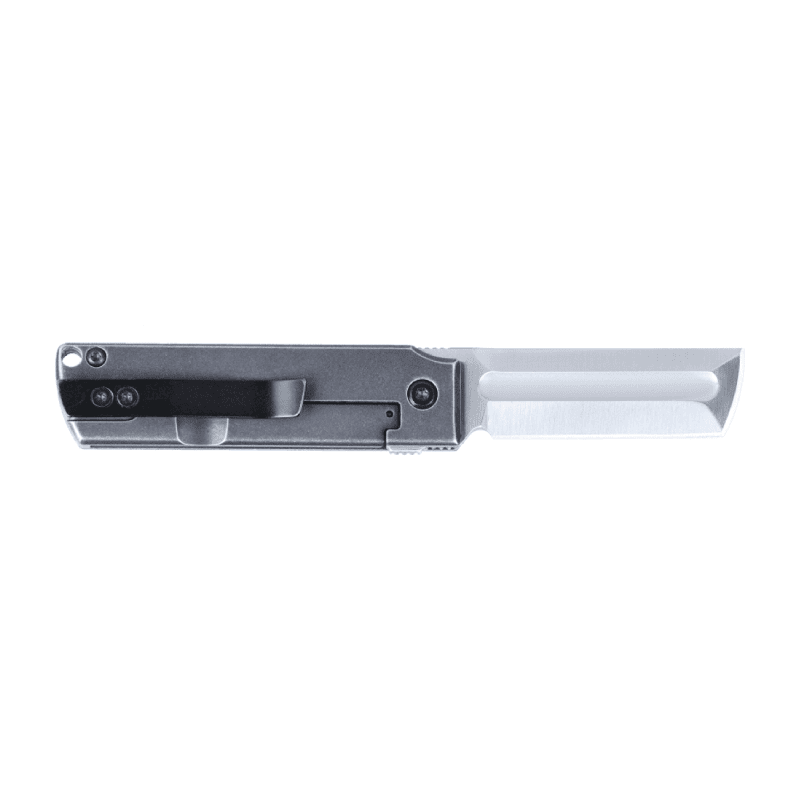
Application Guide: Which Steel for Which Knife?
Scenario 1: Kitchen and Chef Knives
Recommended: 14C28N
Kitchen blades live in the harshest corrosion environment most knives ever see: water, food acids, and dishwashers (whether you approve or not). 14C28N’s superior rust resistance and ability to hold a keen 58–60 HRC edge through daily prep make it the safer specification. Its toughness still supports the thin geometries chefs demand.
Many OEM knife manufacturers select 14C28N for kitchen lines targeting the $40–$120 retail segment, where it delivers a premium cutting experience at a mid-range cost.
Scenario 2: Outdoor, Bushcraft, and Hunting Knives
Recommended: 12C27 (with 14C28N as the premium option)
This is 12C27’s home turf. For fixed blade knives that will carve wood, process game, and endure batoning, its toughness and field-sharpening ease are decisive. Decades of Morakniv heritage give it unmatched credibility with outdoor buyers.
Position 14C28N as the upgraded alternative within the same line for customers who want longer edge life and better wet-weather protection—a proven good/better merchandising strategy.
Scenario 3: EDC Folding Knives
Recommended: 14C28N
For EDC knives, the balance tips toward the newer steel. Daily carry means constant exposure to pocket lint, humidity, and sweat—exactly where 14C28N’s corrosion advantage compounds. Its slightly better edge retention also suits the cardboard-and-packaging reality of everyday cutting. As covered in our guide to EDC knives, low-maintenance reliability is the core promise of the category, and 14C28N delivers it.
Civivi, Ruike, and Kizer have all built best-selling folders on 14C28N at the $40–$80 price point—proof that the steel supports healthy sell-through in the most competitive segment of the market.
Scenario 4: Budget Mass-Market Lines
Recommended: 12C27
When your target retail price sits below $30, 12C27 remains the intelligent specification. Its lower material cost, universally available stock, and bulletproof production record protect thin margins. The performance gap to 14C28N is real but rarely noticed by the casual users this segment serves.
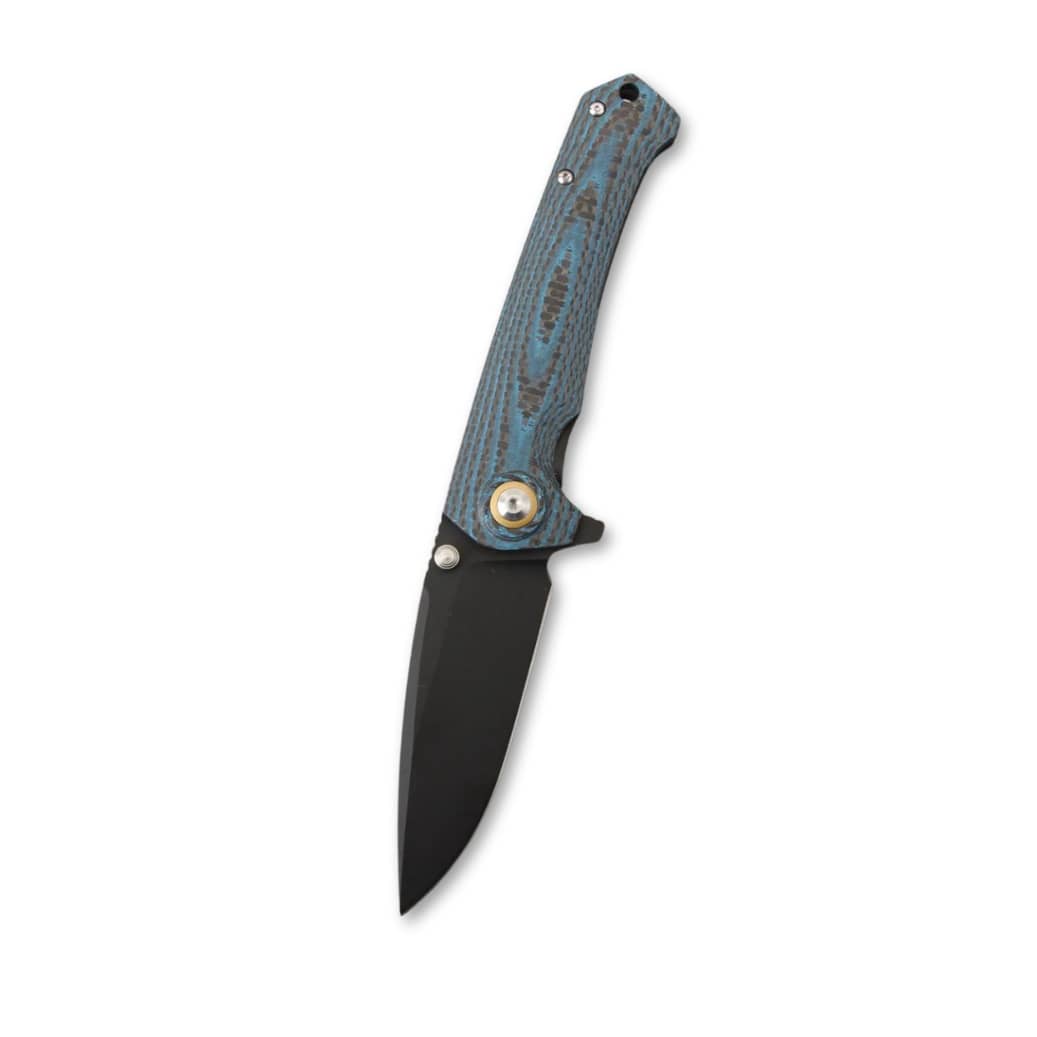
Cost Analysis & Market Pricing
| Steel | Target Retail Range | Market Strategy |
|---|---|---|
| 12C27 | $15–$50 | Budget outdoor and utility lines; heritage/Scandi positioning |
| 14C28N | $30–$120 | Mid-range EDC and kitchen lines; “best budget steel” marketing |
Factors Affecting Price
- Material cost: 14C28N carries a modest premium over 12C27, but both are inexpensive conventional steels. At typical blade blank weights, the raw-material difference per knife is measured in cents, not dollars.
- Manufacturing complexity: Effectively identical. Both steels share forgiving heat-treatment protocols, straightforward grinding, and high production consistency—keeping scrap rates and QC costs low.
- Brand positioning: 14C28N’s reputation (Kershaw adoption, “best budget steel” coverage) supports a higher retail price point with no additional manufacturing risk. This is margin you can capture with a spec-sheet change.
Value Assessment
For brands, the decision rarely hinges on material cost—it hinges on positioning. 12C27 maximizes margin at entry-level price points; 14C28N unlocks mid-tier pricing and stronger review scores. Many successful brands run both: 12C27 for the entry model, 14C28N for the upgrade. For wholesale program planning around this strategy, see how to buy knives wholesale.
Maintenance and Care
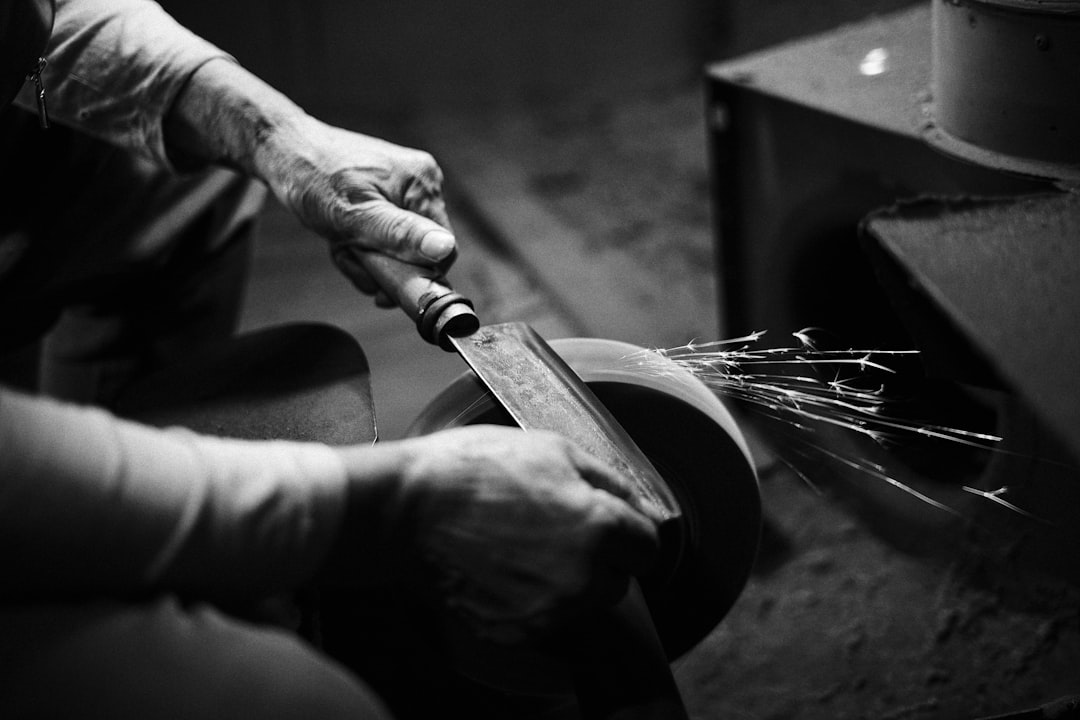
Ownership is easy with both steels, but they reward different habits. Here is what living with each one looks like.
Daily care
- Rinse and dry the blade after food contact or wet use
- Add a light coat of mineral oil before long-term storage
- 12C27 forgives neglect better in dry climates; 14C28N forgives it in humid or salty ones
Sharpening
- 12C27: back to razor-sharp in about five minutes on a basic whetstone, friendly to beginners
- 14C28N: a few minutes longer on the stone, but the edge lasts weeks between touch-ups
- Neither steel needs diamond abrasives or professional equipment
For your product line: position 12C27 as the “sharpen anywhere” field steel and 14C28N as the “sharpen rarely” everyday steel. Both stories are honest, and both sell.
Final Verdict
So why does the older steel survive? Because steel choice is a product decision, not a spec-sheet contest.
14C28N is the better all-around steel—that part is not close. It is harder, more rust-resistant, and carries a reputation that helps mid-range knives sell. If you are launching one line on one steel, this is the pick.
12C27 earns its place where the spec sheet ends: hard-use outdoor blades that must survive abuse, and budget lines where every cent of unit cost matters. Morakniv did not keep it for nostalgia. They kept it because, for those jobs, tougher and cheaper still wins.
The strongest catalogs use both. 12C27 anchors the entry tier, 14C28N carries the upgrade, and your customers see a clear reason to spend more. That is the real answer to 12C27 vs 14C28N—not a winner, but a lineup.
Partner with Keganico for Your 12C27 or 14C28N Knife Line
At Keganico, we optimize steel selection based on your target margin and brand positioning.
- For Custom Projects: If you are launching a new line, our OEM Service provides precision heat treatment for both 12C27 and 14C28N, dialed to your exact hardness and toughness targets.
- For Brand Expansion: Need to scale quickly with market-ready options? Explore our Private Label Service or Wholesale Service for proven designs in these steels.
Contact Keganico Today to request a free quote and determine which Alleima stainless steel will lead your next successful product launch.
Related Reading
- 14C28N Steel: Underrated or Overhyped?
- Nitro-V vs 14C28N: The Ultimate Comparison
- AEB-L vs Nitro-V vs 14C28N: Which Fine-Grained Stainless Steel Wins?
- 14C28N vs D2: The Ultimate Knife Steel Comparison
Frequently Asked Questions
Is 14C28N just a rebranded 12C27?
No. 14C28N is a re-engineered alloy: it adds 0.11% nitrogen, raises chromium to 14%, and adjusts manganese and silicon. The result is measurably higher hardness (up to 62 HRC), better edge retention, and superior corrosion resistance—verified improvements, not marketing.
Which steel is better for kitchen knives?
14C28N. Its corrosion advantage matters most in wet, acidic kitchen environments, and its higher hardness keeps a working edge through more meal preps. 12C27 remains serviceable for budget kitchen lines, but 14C28N is the stronger specification.
Is 12C27 still worth specifying for a new OEM knife line in 2026?
Yes—if your line targets hard use or sub-$30 retail. 12C27’s toughness, sharpening ease, and rock-bottom cost remain competitive for outdoor and utility knives. For anything positioned at mid-range or above, 14C28N is the better default.
Which steel is easier for end users to sharpen?
12C27, slightly. Both sharpen easily on standard whetstones, but 12C27’s softer matrix restores an edge faster and forgives imperfect technique. For beginner-focused products, this is a legitimate selling point.
How do 12C27 and 14C28N compare to premium steels like S30V or MagnaCut?
Premium steels offer far better edge retention but cost significantly more, sharpen harder, and can be less tough. For most consumers, 14C28N delivers the majority of practical cutting performance at a fraction of the price—which is why it anchors so many best-selling mid-range knives. See our 14C28N vs D2 comparison for how it fares against a tougher adversary.
Do 12C27 and 14C28N require different heat treatment equipment?
No. Both use standard industrial hardening and tempering processes with well-documented parameters. An OEM facility qualified for one can run the other with minimal process adjustment.