
S90V holds an edge longer than M390, but M390 resists rust better, sharpens easier, and is far more widely available. For most EDC and premium knife lines, M390 is the safer all-around choice. For high-wear cutting tasks, S90V is hard to beat.
Both are premium powder metallurgy stainless steels, and both sit at the top of the market. The real question is not which steel is “better,” but which one fits your customers, your price point, and your product line.
This guide compares both steels with lab data and real user feedback, so you can choose the right one for your customers and your OEM knife line.
What Is S90V Steel?
CPM S90V is a powder metallurgy stainless steel made by Crucible Industries in the United States. It was introduced in 1996 under the original name CPM-420V and renamed S90V in 2000.
The design idea was bold. Earlier powder stainless steels like S60V used high chromium content (16% or more) for corrosion resistance. Crucible’s metallurgists found that dropping chromium to 14% and raising vanadium to 9% produced far more hard vanadium carbides. The result was a steel with exceptional wear resistance and edge retention — the best Crucible had ever measured in a stainless steel at that time.
Key Characteristics of S90V:
- Type: Powder metallurgy (CPM) stainless steel
- Developer: Crucible Industries (USA)
- Launch Year: 1996 (as CPM-420V)
- Hardness Range: 59-61 HRC in most production knives
- Primary Application: Premium EDC folders, limited runs, high-wear cutting tools
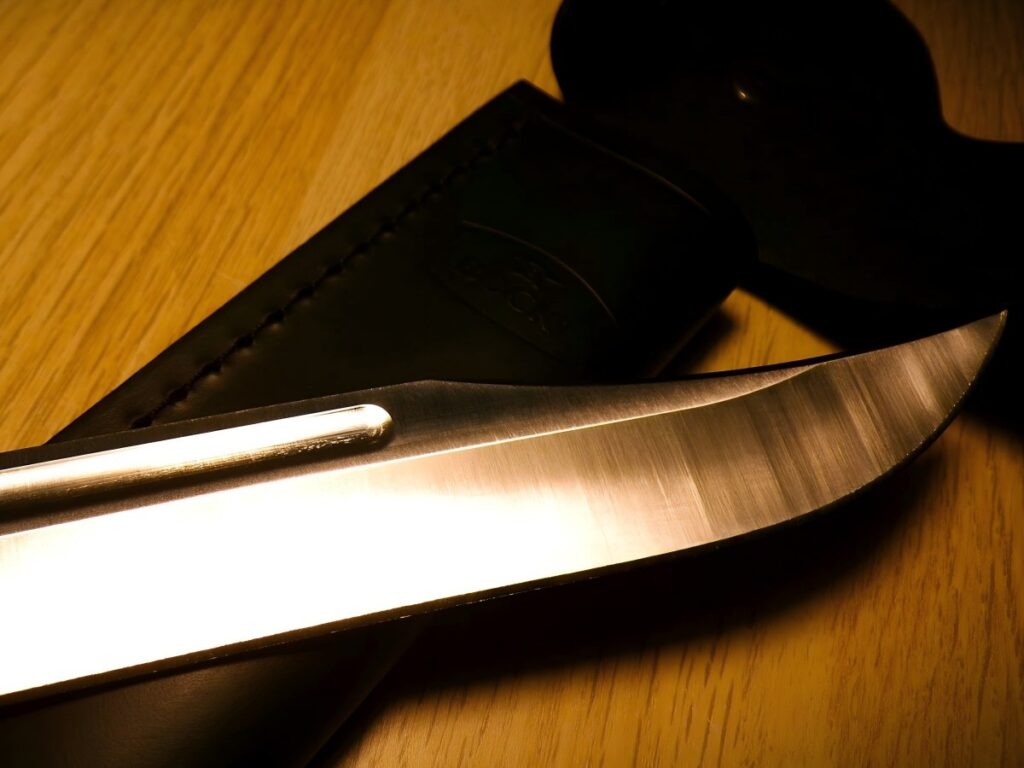
Today, S90V sits in a boutique niche. Spyderco uses it for sprint runs, and Benchmade offers it in flagship models like the 940-1. Its reputation for difficult grinding keeps production volumes low, which adds to its collector appeal.
What Is M390 Steel?
M390 is a powder metallurgy stainless steel made by Böhler in Austria. The patent dates to the late 1980s, and the steel is based on K190, a powder version of the D7 tool steel. Böhler lowered the carbon, raised chromium to stainless levels, and produced it with its third-generation MICROCLEAN powder process.
Interestingly, M390 was designed for the plastics injection molding industry, not knives. It needed wear resistance and corrosion resistance; toughness was not the priority. Custom makers adopted it in the late 1990s, and it exploded in the US knife market around 2010 when Benchmade and Kershaw released high-profile M390 models.
Key Characteristics of M390:
- Type: Powder metallurgy stainless steel (MICROCLEAN)
- Developer: Böhler (Austria)
- Patent: Late 1980s
- Hardness Range: 60-62 HRC in most production knives
- Primary Application: Premium EDC folders, outdoor and tactical knives, kitchen knives
One important note for buyers: M390, CPM 20CV, and CTS-204P are chemically equivalent alloys produced by different mills (Böhler, Crucible, and Carpenter respectively). Metallurgical analysis by Knife Steel Nerds shows no meaningful performance difference between them when heat-treated the same way.
Chemical Composition: S90V vs M390
| Element | CPM S90V | Böhler M390 | Role |
|---|---|---|---|
| Carbon (C) | 2.30% | 1.90% | Base hardness contributor |
| Chromium (Cr) | 14.00% | 20.00% | Primary corrosion resistance |
| Vanadium (V) | 9.00% | 4.00% | Hard vanadium carbides; wear resistance |
| Molybdenum (Mo) | 1.00% | 1.00% | Enhances strength and hardenability |
| Tungsten (W) | — | 0.60% | Wear resistance and tempering stability |
| Silicon (Si) | — | 0.70% | Deoxidizer; minor strength contribution |
| Manganese (Mn) | — | 0.30% | Hardenability and workability |
Data sources: Crucible CPM S90V datasheet, Böhler M390 MICROCLEAN
The composition table explains almost every performance difference between these steels.
The S90V structure: Nearly all of S90V’s carbides are vanadium carbides (VC). Vanadium carbide is much harder than chromium carbide, so S90V achieves outstanding wear resistance at only 14% chromium. The trade-off is less chromium left in the matrix to fight rust.
The M390 structure: M390 contains roughly 18% chromium carbides and only about 2.5% vanadium carbides, for a total carbide volume near 22%. Chromium carbides are softer, so M390 gives up some wear resistance. In return, its 20% chromium delivers top-tier corrosion resistance.
For sourcing managers, this is the core story: S90V trades stainless performance for wear resistance. M390 does the opposite.
For a deeper look at how it compares to newer steels, see our S90V vs MagnaCut breakdown.
Performance Scorecard: S90V vs M390
| Performance Indicator | CPM S90V | Böhler M390 | Winner & Why |
|---|---|---|---|
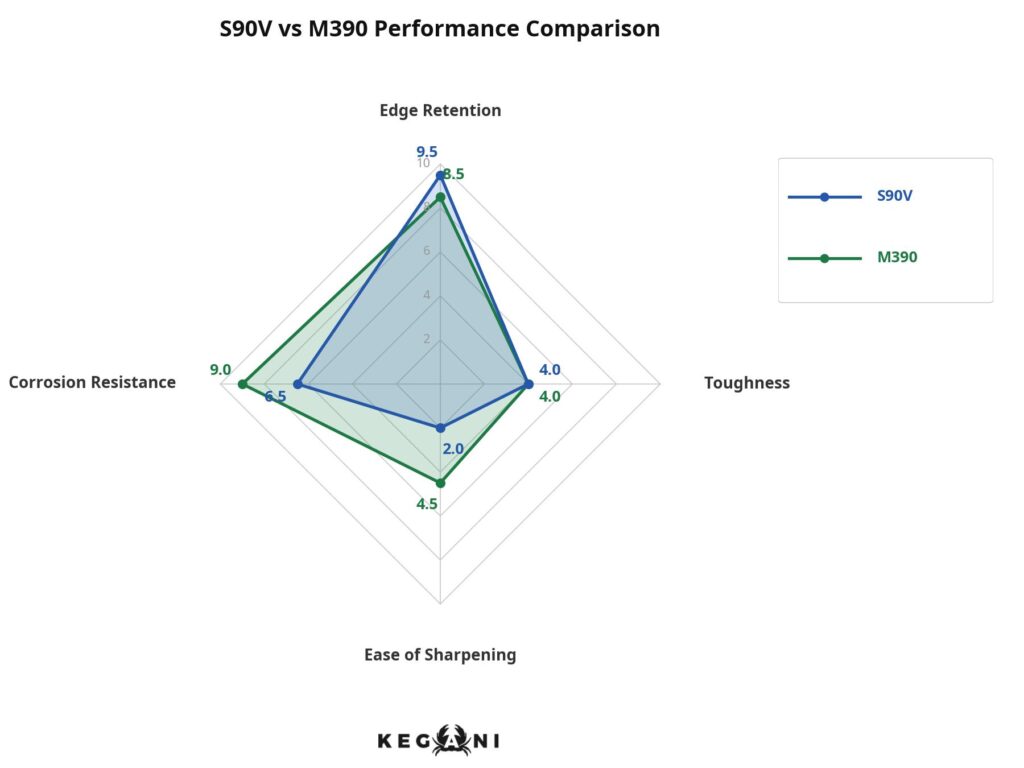
| Edge Retention | 9.5/10 (exceptional) | 8.5/10 (excellent) | S90V – Highest CATRA scores among stainless steels |
| Toughness | 4.0/10 (low) | 4.0/10 (low) | Tie – Neither is a hard-use steel |
| Corrosion Resistance | 6.5/10 (good) | 9.0/10 (excellent) | M390 – 20% vs 14% chromium |
| Ease of Sharpening | 2.0/10 (difficult) | 4.5/10 (moderate) | M390 – S90V demands diamond/CBN abrasives |
| Hardness Range | 59-61 HRC | 60-62 HRC | M390 – Higher typical working hardness |
| Availability | Limited runs | Widely available | M390 – Stable supply for production |
Scores are approximate based on Knife Steel Nerds testing, Crucible data, and industry consensus.
The scorecard shows the trade-off clearly. S90V wins the single metric that defines it: edge retention. M390 wins everything related to ownership experience — rust resistance, sharpening, and availability.
Neither steel is tough. If toughness is your priority, neither is the right answer, and you should look at MagnaCut or CPM 3V instead.
Edge Retention
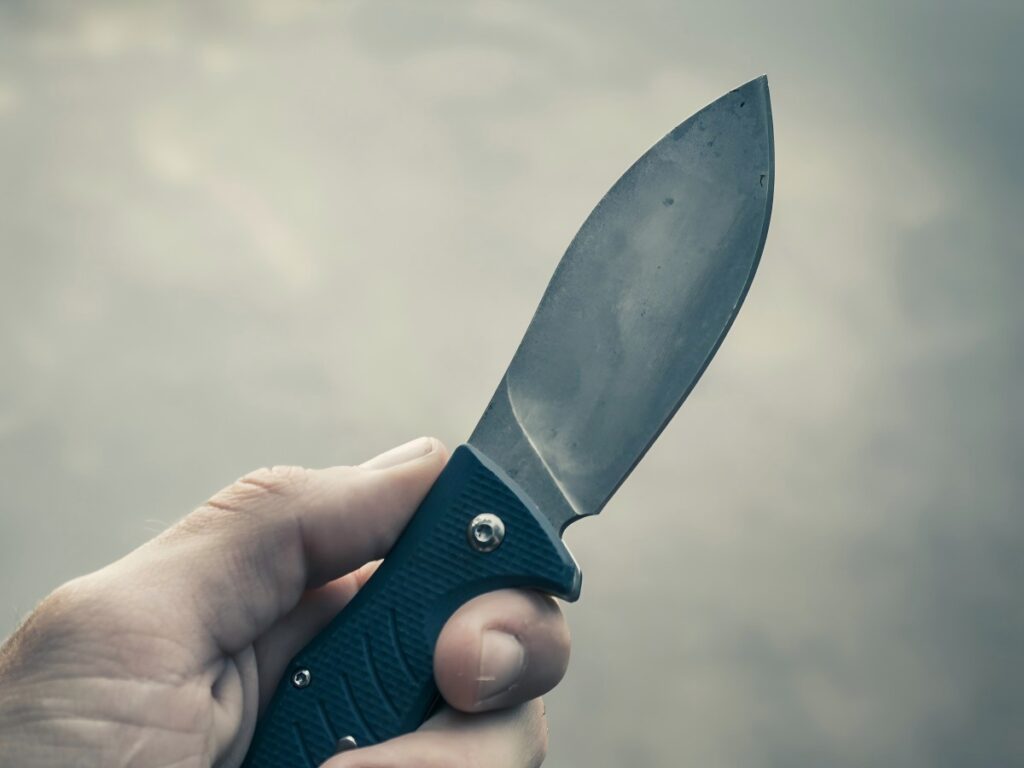
Edge retention is where S90V built its reputation. In Crucible’s official CATRA testing, S90V scored 195% of a 440C baseline at 61.5 HRC, versus 155% for CPM 20CV — chemically identical to M390.
Knife Steel Nerds confirms it: S90V ranks among the highest edge-retention stainless steels ever measured, ahead of M390, S110V, and ZDP-189.
Real-world results show a smaller but consistent margin. In a BladeForums rope-cutting test, S90V made 460 cuts to M390’s 380 — a 21% difference — though the tester noted most users would never tell them apart in normal use.
The takeaway: S90V’s advantage is real for high-wear tasks like cardboard and rope, but shrinks to near irrelevance in typical EDC cutting. Choose S90V when “longest edge life” is a core selling point.
Toughness
Here is the biggest myth in this comparison: M390 is not tougher than S90V.
In Knife Steel Nerds testing, M390 measured 8.8 ft-lbs in Charpy C-notch tests. Its chemical twin, 20CV, scored 8.2 ft-lbs — a difference Larrin Thomas called “the same toughness“ within test scatter.
No Charpy data has been published for S90V, but BladeForums user bdmicarta noted that S90V and M390 are “similar in toughness, close enough that the average user probably couldn’t tell the difference“.
Both steels trade toughness for wear resistance. They sit in the same low-toughness tier — well below steels like MagnaCut, S35VN, or 52100.
In practice, both can chip under lateral stress. Edge geometry matters more than steel choice. For hard-use outdoor or tactical knives, neither is the answer — look at MagnaCut, CPM 3V, or 14C28N instead.
Corrosion Resistance
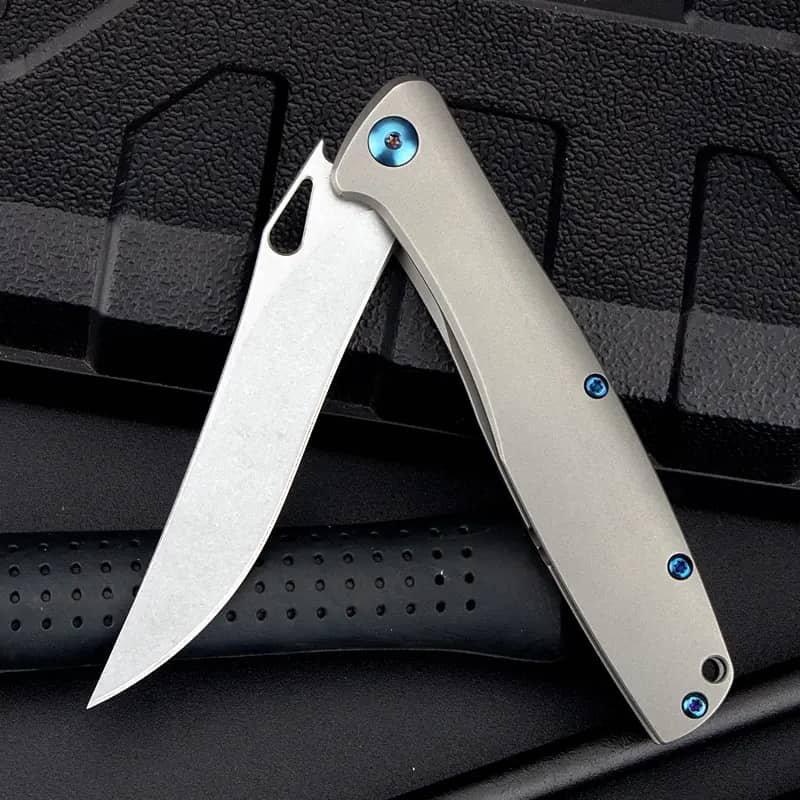
OEM Frame Lock Knife Titanium Alloy Handle (3.70 Inch M390 Blade)
This is M390’s clearest win. With 20% chromium, it sits near the top of all knife steels for corrosion resistance, shrugging off humid climates, sweaty pockets, and kitchen acids with minimal care.
S90V, at 14% chromium, is more moderate: Crucible’s datasheet rates it equal to or better than 440C, while Knife Steel Nerds’ testing places it clearly below M390 and S110V. Light tarnish can appear faster in wet or coastal use, though serious rust is rare with basic care.
For product lines: choose M390 for marine, kitchen, and humid climates; S90V remains fine for dry-environment EDC.
Ease of Sharpening
S90V is genuinely difficult to sharpen. Its vanadium carbides are harder than standard stone abrasives, so it “takes time and diamond abrasive to sharpen,” as one BladeForums user put it. M390 is noticeably easier: its softer chromium carbides respond to conventional stones, and field touch-ups are far less painful.
Edge character also differs: S90V excels with a toothy 300-400 grit finish, while M390 takes a smoother, more razor-like polish at 1000 grit and above. Casual sharpeners will be happier with M390; enthusiasts with diamond or CBN systems can unlock S90V’s full potential.
Hardness and Heat Treatment
S90V typically runs at 59-61 HRC in production knives; M390 runs slightly harder at 60-62 HRC, with premium heat treatments reaching 63-64 HRC.
For manufacturers, process cost is the bigger difference. Per Crucible’s datasheet, S90V austenitizes at 2100-2150°F with double tempering at 400-750°F, and its wear resistance means high grinding costs — more belt consumption, longer cycle times — a key reason it appears mostly in limited runs. M390 is friendlier to grind and familiar to most experienced heat treaters.
Either way, both steels demand a heat treater with powder-metallurgy experience. Consistent austenitizing control and cryogenic treatment make a measurable difference in both edge retention and toughness.
Start Working with a Professional Now
Application Guide
Best Uses for S90V
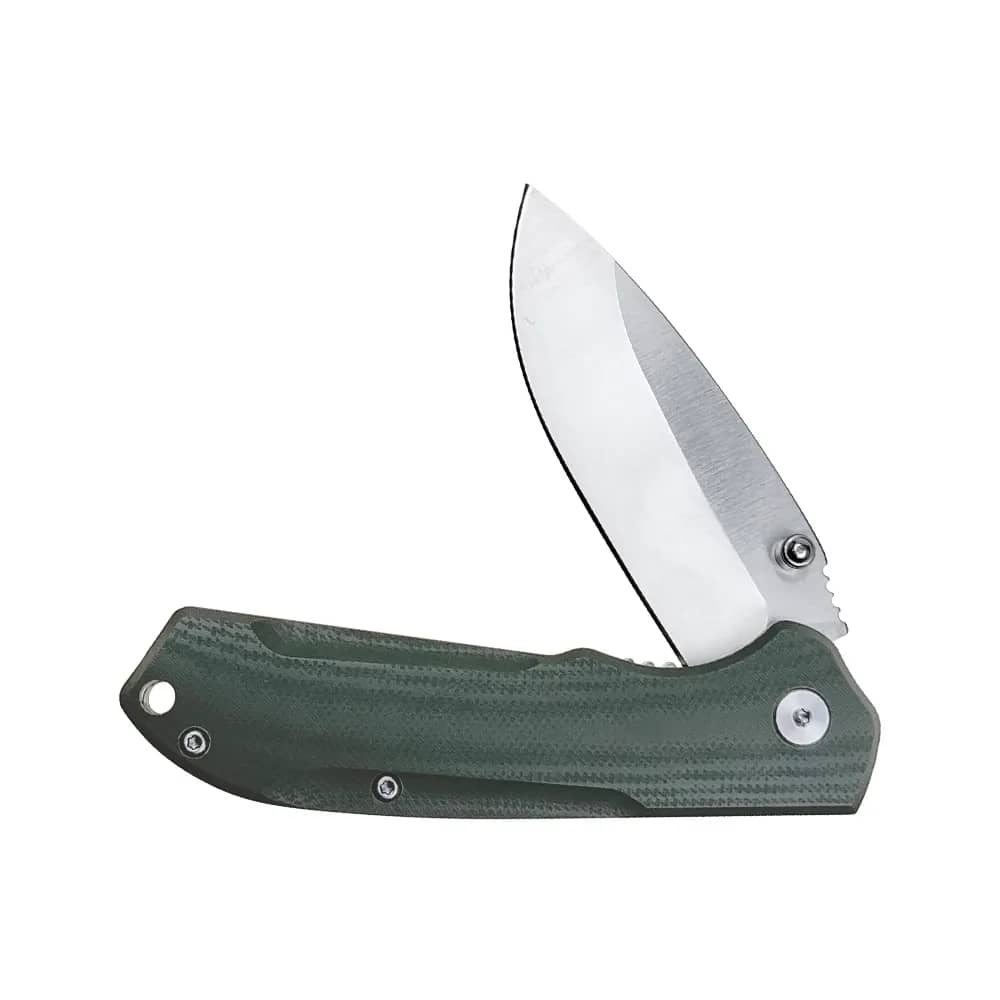
OEM Liner Lock Knife G10 Handle (3.15 Inch S90V Blade)
Premium EDC Folders
S90V’s extreme edge retention makes it a natural fit for premium EDC folders. Daily carry means daily cutting — boxes, tape, zip ties. At 195% of 440C in CATRA testing, an S90V blade keeps a working edge for weeks longer than most steels, so owners sharpen far less often.
That neatly offsets S90V’s one real weakness: difficult sharpening. This is why it anchors flagship folders like the Benchmade 940-1 and Spyderco’s premium sprint runs.
Thin-Edged Slicing and Utility Blades
S90V’s vanadium carbide structure holds a thin, acute edge better than almost any stainless steel. Ground to a toothy 300-400 grit finish, the edge bites aggressively into fibrous material and stays sharp long after other steels dull.
Forum users consistently pick S90V for thin-edged fixed blades and hard-use utility knives — cardboard, rope, and carpet work where its 21% real-world edge advantage over M390 becomes obvious.
Limited Editions and Collector Knives
S90V’s grinding difficulty raises production costs, which naturally pushes brands toward small batches. That scarcity is now part of its appeal: collectors seek out S90V sprint runs, and many buy backups of discontinued models.
For brand owners, an S90V limited edition comes with a ready-made story — the longest-lasting edge, in a steel most competitors cannot produce efficiently.
Best Uses for M390
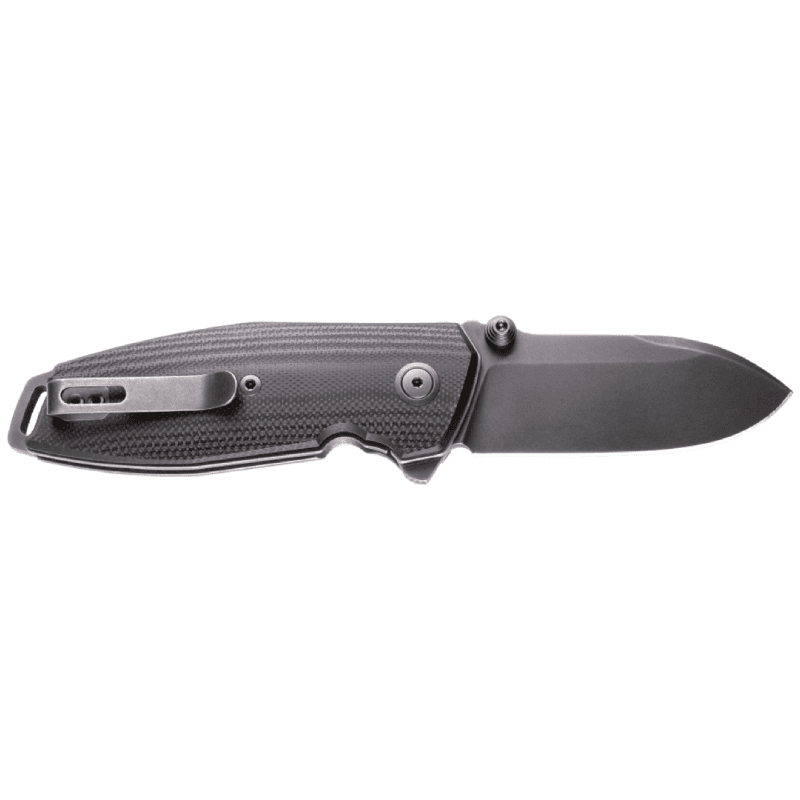
OEM Liner Lock Knife G10 / Carbon Fiber Handle (2.69 Inch M390 Blade)
Everyday Carry Knives
M390 is the most balanced super steel in mass production, and EDC is where balance matters most. It holds an edge far longer than mid-range steels, yet touches up easily on a pocket sharpener when it finally fades.
Its 20% chromium shrugs off the sweat and humidity pocket knives live with, and a decade of flagship-model exposure gives it instant name recognition that helps sell the knife.
Outdoor, Hunting, and Camping Knives
Field use exposes blades to rain, blood, and food acids — conditions M390’s corrosion resistance handles with minimal care. Just as important, M390 can be touched up quickly in the field, while S90V demands diamond abrasives and patience.
One caveat: neither steel is tough enough for chopping or prying. For hard-use outdoor fixed blades, steer customers toward tougher steels like MagnaCut or CPM 3V.
Kitchen Knives
Kitchens attack blades daily with moisture, salt, and acidic foods, and M390’s 9/10 corrosion resistance handles all of it.
It also takes a highly polished edge — at 1000 grit and above, it feels noticeably sharper than S90V when push-cutting meat and vegetables. And because kitchen knives see constant use, M390’s long edge retention means less frequent honing for the end user.
Cost and Market Pricing
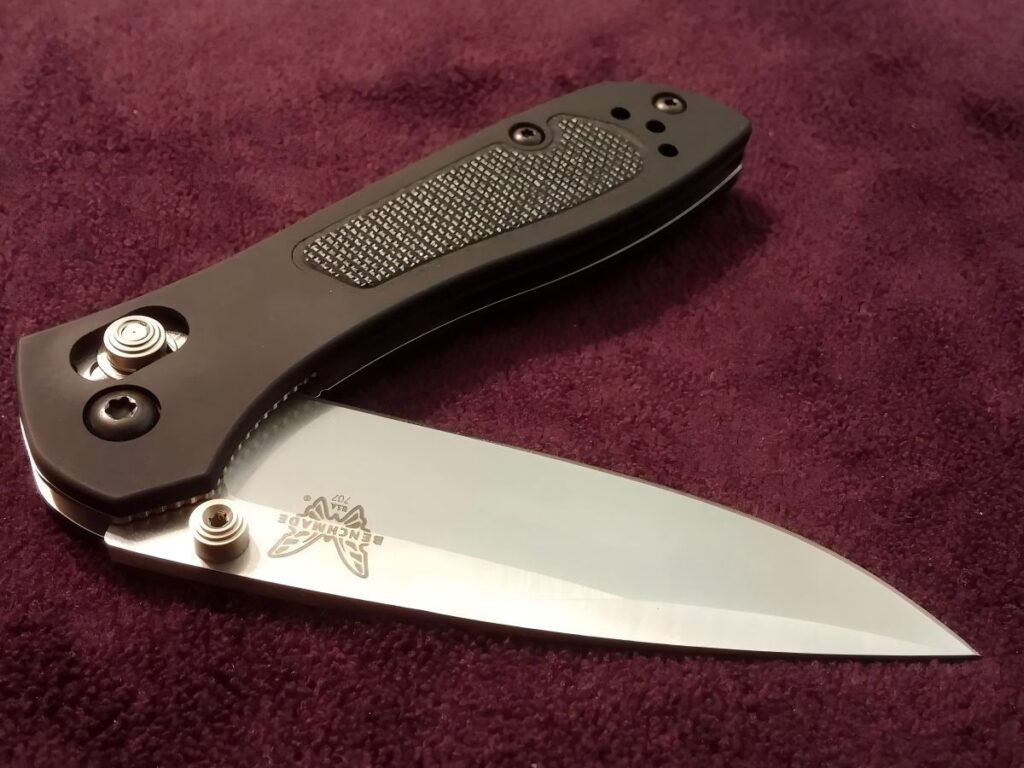
Both steels sit in the top pricing tier of the knife market, and Benchmade classifies both as “Super Steels.” Clean same-model price comparisons are rare, because brands rarely offer one model in both steels.
A useful reference point is the Benchmade 940 family:
- Benchmade 940-1 (S90V, carbon fiber handle): around $320-350
- Benchmade 940-2 (S30V, G10 handle): around $179-200
Note that this comparison includes different handle materials, so it shows S90V’s premium positioning rather than a pure steel cost gap.
For B2B buyers, the more meaningful cost difference is on the production side:
| Cost Factor | S90V | M390 |
|---|---|---|
| Raw material | High | High |
| Grinding/finishing | Very high (belt wear, cycle time) | Moderate for a super steel |
| Supply availability | Limited runs, longer lead times | Broad, stable supply |
| Typical retail tier | $250-$400+ | $200-$350 |
S90V’s grinding cost is the hidden factor. Knifemakers consistently report that S90V consumes abrasives and shop time at rates well above M390.
For mass production, this makes M390 the more scalable choice at the premium tier. S90V works best for limited editions and flagship models where low volume is part of the marketing story.
Start Working with a Professional Now
Talk to Kegani About Your Steel Selection

OEM Frame Lock Knife Titanium Alloy Handle (3.15 Inch M390 Blade)
Choosing between S90V and M390 is only half the decision. Heat treatment, grinding cost, and supply stability determine whether a premium steel actually pays off in production — and that is where the right manufacturing partner makes the difference.
At Kegani, we work with premium powder metallurgy steels every day. Our heat treatment holds tight HRC windows batch after batch, and our production team plans for the realities of each alloy — including what S90V’s vanadium carbides do to grinding belts and cycle times.
Whether you are planning a limited S90V flagship or a scalable M390 line, we help you match the steel to your target market and margin.
Here is how we can work together:
- OEM Manufacturing — your custom design, in S90V, M390, or any steel you specify
- Private Label — proven models ready for your brand
- Wholesale Supply — premium knives at competitive volumes
Tell us about your project. Request a free quote or contact our team — we will help you find the steel that fits.
Frequently Asked Questions
Will M390 steel rust?
M390 is highly rust-resistant but not rust-proof. Its 20% chromium content places it near the top of all knife steels for corrosion resistance. With basic care — wiping the blade dry after wet use — rust is very unlikely. For true waterproof performance, only nitrogen steels like LC200N or Vanax do better.
Why is M390 so popular?
M390 hit the market’s sweet spot around 2010: near-top edge retention, excellent corrosion resistance, and acceptable sharpenability in one package. Major brands like Benchmade, Kershaw, and Spyderco adopted it for flagship models, which built enormous name recognition. It remains the default “super steel” for premium production folders.
Which is better, M390 or MagnaCut?
MagnaCut offers far better toughness and slightly better corrosion resistance, while M390 holds an edge somewhat longer. For hard-use and outdoor knives, MagnaCut is usually the better choice. For pure slicing and EDC, M390’s edge retention and polishability keep it competitive.
Is S30V better than S90V?
No — S90V outperforms S30V in both edge retention and toughness. S30V’s advantage is practical: it is cheaper, much easier to sharpen, and easier to source. S30V remains a solid mid-premium option, but S90V is the higher-performance steel.
Is Damascus steel better than M390?
Damascus is a pattern-welded construction, not a single steel, so the comparison is misleading. A Damascus blade’s performance depends entirely on the steels inside the pattern. Many modern Damascus-clad knives actually use high-performance cores — and some premium Damascus patterns include M390 itself. Choose Damascus for aesthetics, not performance.
What is the toughest blade steel?
Neither S90V nor M390 qualifies — both score low on toughness. Among stainless steels, MagnaCut, 14C28N, AEB-L, and Nitro-V lead in toughness. Among non-stainless steels, CPM 3V and CruWear are top performers. Toughness and edge retention trade off against each other, so the “best” steel depends on which property your application needs most.