A knife’s edge type determines how it cuts, what it cuts best, and how you’ll maintain it. Plain edges excel at clean push cuts and are easy to sharpen with standard stones. Serrated edges dominate fibrous materials like rope and bread, staying working-sharp longer because their protected gullets resist dulling.
Whether you’re a knife enthusiast choosing an EDC blade or an OEM sourcing manager planning a product line, this guide breaks down the science, compares real-world performance, and reveals the manufacturing cost insights most retailers won’t share.
Quick Decision Hub
Skip the theory—find your match based on use case and business goals.
| User Persona | Primary Task | Recommended Edge | OEM Strategy |
|---|---|---|---|
| Home Cook | Precision slicing, mincing | Plain Edge | Lead with high-polish finish; focus on “Ease of Sharpening” |
| Outdoor/Bushcraft | Woodwork, food prep | Plain Edge | Pair with tough, field-sharpenable steels (e.g., 14C28N) |
| Rescue/Maritime | Cutting rope, seatbelts | Serrated Edge | Market as “Emergency-Ready”; use high-corrosion-resistance steel |
| Tactical/Duty | Mixed materials, survival | Partially Serrated | Position as “The Multi-Tool of Blades”; focus on versatility |
| Baker/Pastry | Hard crusts, soft interiors | Serrated Edge | Long blades (9″+); optimize tooth frequency for crumb control |
What Are Knife Edge Types?
Not all knife edges are created equal. The three primary edge types each use fundamentally different cutting mechanics. Understanding these differences is the first step toward choosing the right blade for your needs.
Plain Edge (Straight Edge)
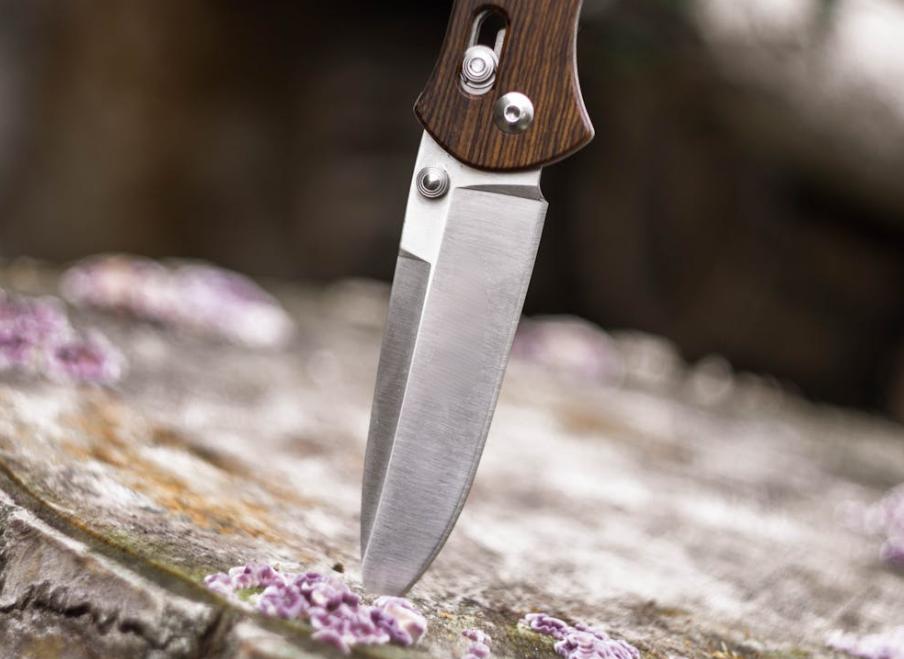
Definition: A smooth, continuous cutting surface with no teeth.
Key Features: Excels at push cuts — applying downward pressure to shear material cleanly. Bevel angles typically range from 15–25 degrees per side.
Pros: Predictable cut paths, superior control for precision tasks, and easy sharpening with standard whetstones.
Cons: Struggles on hard or slippery surfaces where the blade can skate without biting. Dulls uniformly across the full bevel, requiring more frequent touch-ups.
Serrated Edge
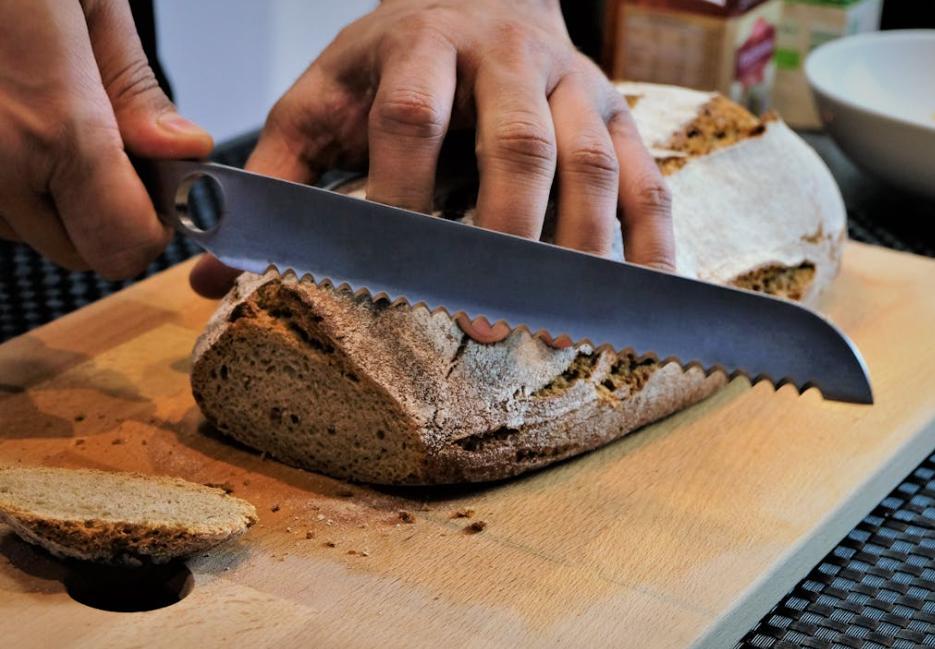
Definition: A saw-like edge with sharp teeth and recessed gullets that cut through a sawing motion.
Key Features: Uses pressure concentration — each tooth focuses force into a tiny contact point to bite into tough exteriors. Bevel angles are typically 13–17 degrees on a chisel-style grind.
Pros: Dominates fibrous materials (rope, bread, tomato skins), stays working-sharp longer because gullets stay protected, and performs well even when slightly dull.
Cons: Produces rougher, torn cuts. Sharpening requires specialized tapered rods and significantly more time. According to Knife Steel Nerds, full restoration can take 20–30 minutes versus 5–10 for a plain edge.
Partially Serrated (Combo Edge)
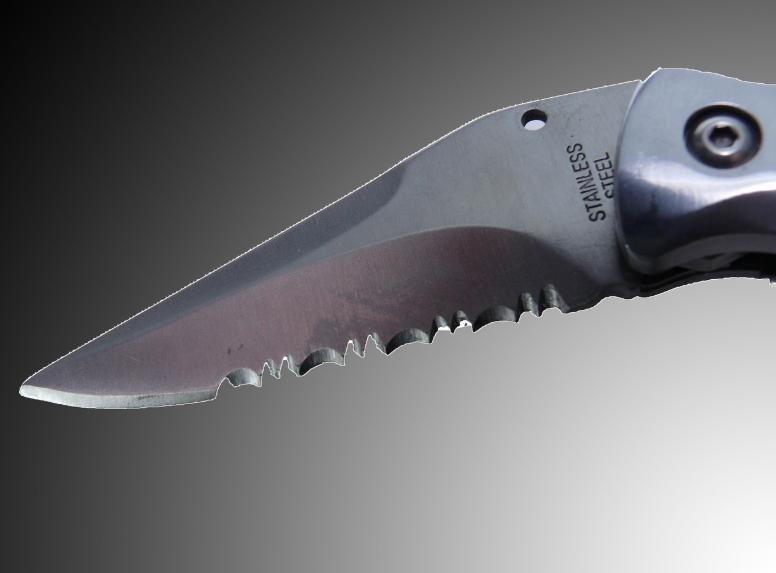
Definition: A hybrid blade combining a plain section near the tip and a serrated section near the heel.
Key Features: Attempts to deliver precision and cutting power in one blade. Typically splits 50–60% plain and 40–50% serrated.
Pros: Versatile for users who can’t carry two knives. Popular in tactical and rescue knives where task diversity is high.
Cons: Compromises both edge lengths — neither section is long enough for optimal performance. Sharpening requires two different techniques and tools.
How Each Edge Cuts Differently
Plain edges are built for push cuts. A push cut applies force perpendicular to the material — like chopping a carrot or shaving with a razor. The smooth blade shears through in a single, clean motion because the full edge contacts the material at once. This is why a plain edge fillets fish cleanly, slices vegetables without bruising, and gives you predictable control every time.
Serrated edges are built for slicing cuts. A slicing cut combines downward pressure with horizontal motion — like cutting bread or sawing through rope. The teeth act as miniature puncture points that grip the material and prevent slippage, while the gullets complete the cut as the blade moves forward. Without these teeth, a plain edge skates across hard or slippery surfaces instead of biting in.
The bottom line: If your task involves pressing straight through material, use a plain edge. If your task involves sawing through tough or fibrous material, use a serrated edge.
Why Angles Matter for Each Edge Type
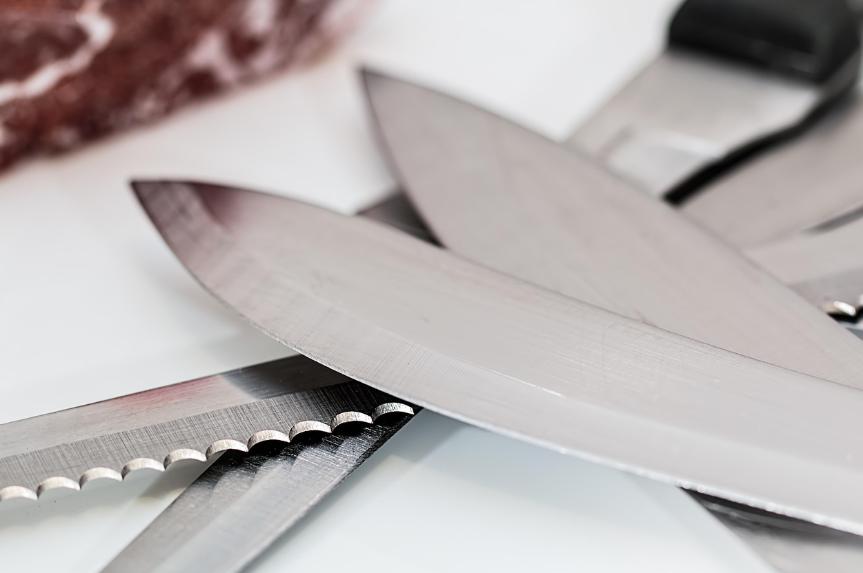
The angle at which a blade is ground — its bevel — directly impacts cutting performance and durability.
Plain edge bevels typically measure 20-25 degrees per side (40-50 degrees inclusive). This relatively wide angle provides edge stability for daily use. Kitchen knives often use narrower 15-20 degree angles for finer cutting, while outdoor knives may use wider 25-30 degree angles for durability.
Serrated edge bevels are more complex. Most serrated knives use a chisel-style grind where only one side features the bevel, typically at 13-17 degrees. The other side remains flat. This asymmetrical design creates the tooth geometry while keeping the edge thin and aggressive.
The reason serrated edges feel sharper longer is simple geometry: the gullets between teeth rarely contact the cutting surface. Only the tooth tips bear the wear. On a plain edge, the entire bevel dulls uniformly with every cut. On a serrated edge, the protected gullets preserve cutting geometry even as the teeth gradually round.
Steel Selection for Edge Types
Not every steel performs equally well in both edge configurations. The choice of steel should match the intended edge type — a factor many manufacturers overlook.
| Edge Type | Recommended Steels | Rationale |
|---|---|---|
| Plain Edge | 14C28N, VG-10, AEB-L | Excellent toughness; accepts a razor-polished edge; easy for the end-user to maintain. |
| Serrated Edge | S30V, D2, M390, MagnaCut | High wear resistance (Vanadium/Molybdenum carbides) preserves tooth geometry against abrasion. |
| Hybrid/Combo | S35VN, Elmax | A balanced “super steel” that provides enough toughness for the plain section and wear resistance for the serrations. |
For serrated edges, high-wear-resistance steels maintain tooth geometry longer. S30V steel, with its 4% vanadium content forming extremely hard carbides, is an excellent choice for serrated blades that see heavy use. D2 tool steel and M390 also perform well due to their high carbon and alloy content. These steels resist the abrasion that rounds tooth tips over time.
For plain edges, steels that balance toughness with ease of sharpening make more sense. 14C28N steel offers outstanding toughness and is simple to maintain on standard whetstones. VG-10 and AUS-8 also work well, offering good corrosion resistance for kitchen and EDC applications.
OEM manufacturing consideration: Serrated grinding adds approximately 15-25% to blade processing costs compared to plain edge grinding. The serration cutting process requires specialized grinding wheels and fixture setups, which can affect minimum order quantities (MOQ). For brands launching a new knife line, offering both plain and serrated variants of the same model lets you cover broader market demand without doubling your design investment.
Serrated vs Plain Edge: Head-to-Head Comparison
The debate between serrated and plain edge knives ultimately comes down to how you plan to use your blade. Here’s how they stack up across the metrics that matter most.
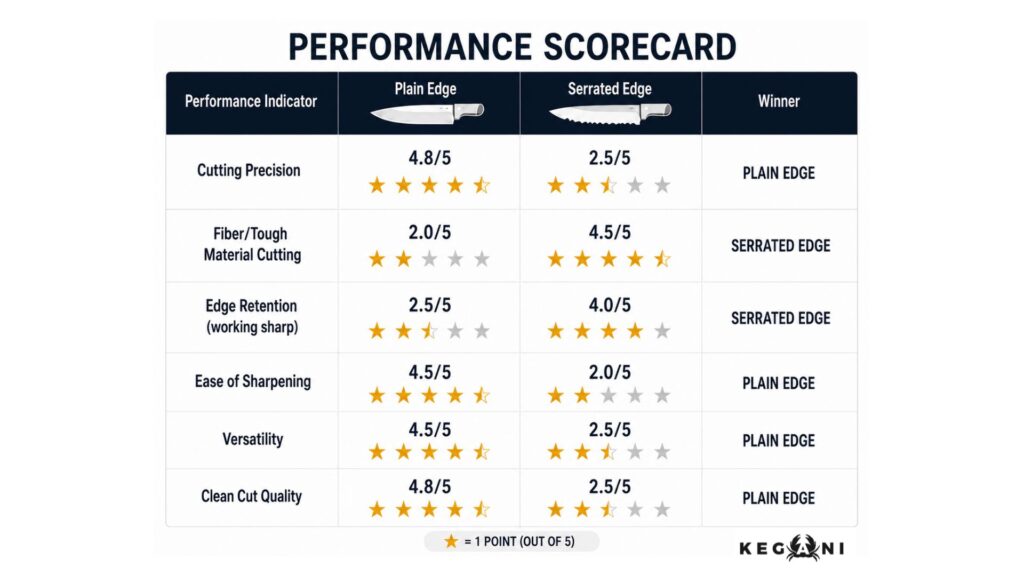
Performance Scorecard
Cutting Precision & Control
Plain edges offer a single, continuous contact point with the material. This creates a predictable cut path that doesn’t deviate or snag. For tasks requiring finesse — peeling an apple, trimming meat, or carving wood — this control is invaluable.
Serrated edges, by contrast, create multiple contact points. Each tooth bites at a slightly different depth and angle. The result is effective cutting power but reduced precision. A serrated blade will tear through a tomato beautifully, but it won’t produce the whisper-thin slices a sharp plain edge can achieve.
Edge Retention Reality
Serrated edges maintain working sharpness significantly longer than plain edges in practical use, but this advantage comes with an important caveat: when they eventually need sharpening, the process is far more involved than touching up a plain edge, and many users simply replace the knife or send it for professional service rather than attempting home maintenance.
The common belief that “serrated knives stay sharp forever” is a myth, but it contains a kernel of truth. Serrated edges maintain working sharpness longer because the gullets between teeth remain largely untouched during cutting. Even as the tooth tips dull, the overall geometry still grips and saws effectively.
Field testing reported by BLADE Magazine offers a striking comparison: a serrated Spyderco Delica in VG-10 cut through cardboard boxes continuously for three days before showing noticeable degradation. The same model in plain edge began dragging and tearing after approximately one hour of similar use.
Maintenance & Sharpening
Plain edge maintenance is straightforward. A whetstone, a honing rod, and ten minutes of effort restore a razor edge. The learning curve is gentle, and the tools are widely available.
Serrated maintenance demands patience and specialized equipment. Each gullet must be sharpened individually using a tapered rod that matches the gullet’s radius. The bevel side receives the sharpening strokes; the flat side only needs a light pass to remove any burr. A full serrated edge restoration takes 20-30 minutes of careful work — or a trip to a professional sharpener.
Partially Serrated: The Best of Both Worlds?
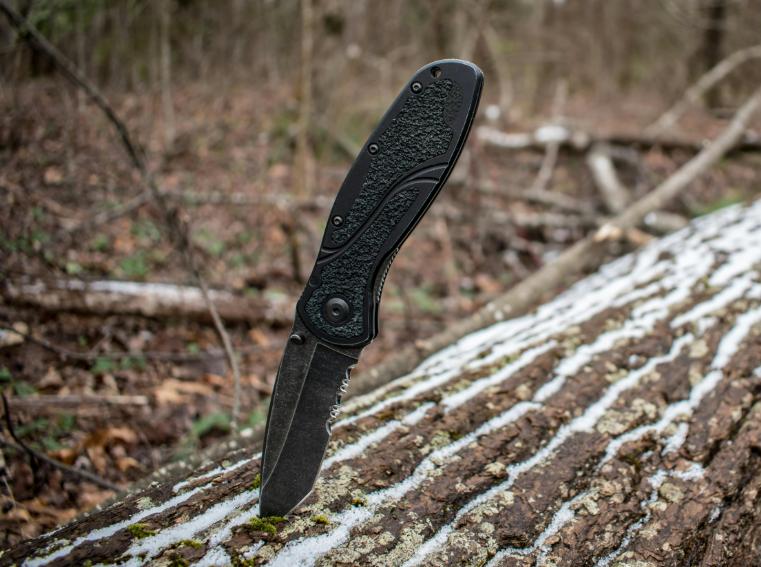
Combo edges attempt to deliver the precision of a plain edge with the cutting power of serrations. In practice, they achieve a compromise that works for some users but disappoints others.
Design Philosophy
The standard partially serrated configuration places the plain section near the tip and the serrated section near the heel. The theory is sound: use the tip for controlled push cuts and the heel for sawing through tougher materials.
The Compromise Problem
The issue is blade real estate. On a typical pocket knife with a 3.25-inch blade, the serrated portion might measure just 1.25 inches. That’s barely enough serration to handle a thick rope effectively. Meanwhile, the shortened plain edge sacrifices slicing length for everyday tasks.
Sharpening complexity also doubles. You need two different techniques and often two different tools to maintain both sections properly.
When Combo Edges Make Sense
Despite these limitations, combo edges serve a purpose. Rescue knives, maritime tools, and tactical blades benefit from having both options available on a single tool. For OEM manufacturers, offering a combo variant can appeal to buyers who want maximum perceived versatility without carrying multiple knives.
Some manufacturers have experimented with alternative configurations — serrations at the tip for piercing grip, plain edge at the heel for controlled cuts. These designs serve niche markets but haven’t gained mainstream acceptance.
Which Edge Type Should You Choose?
The right edge type depends entirely on what you’re cutting. Here’s how to match edge geometry to real-world tasks.
EDC(Everyday Carry)
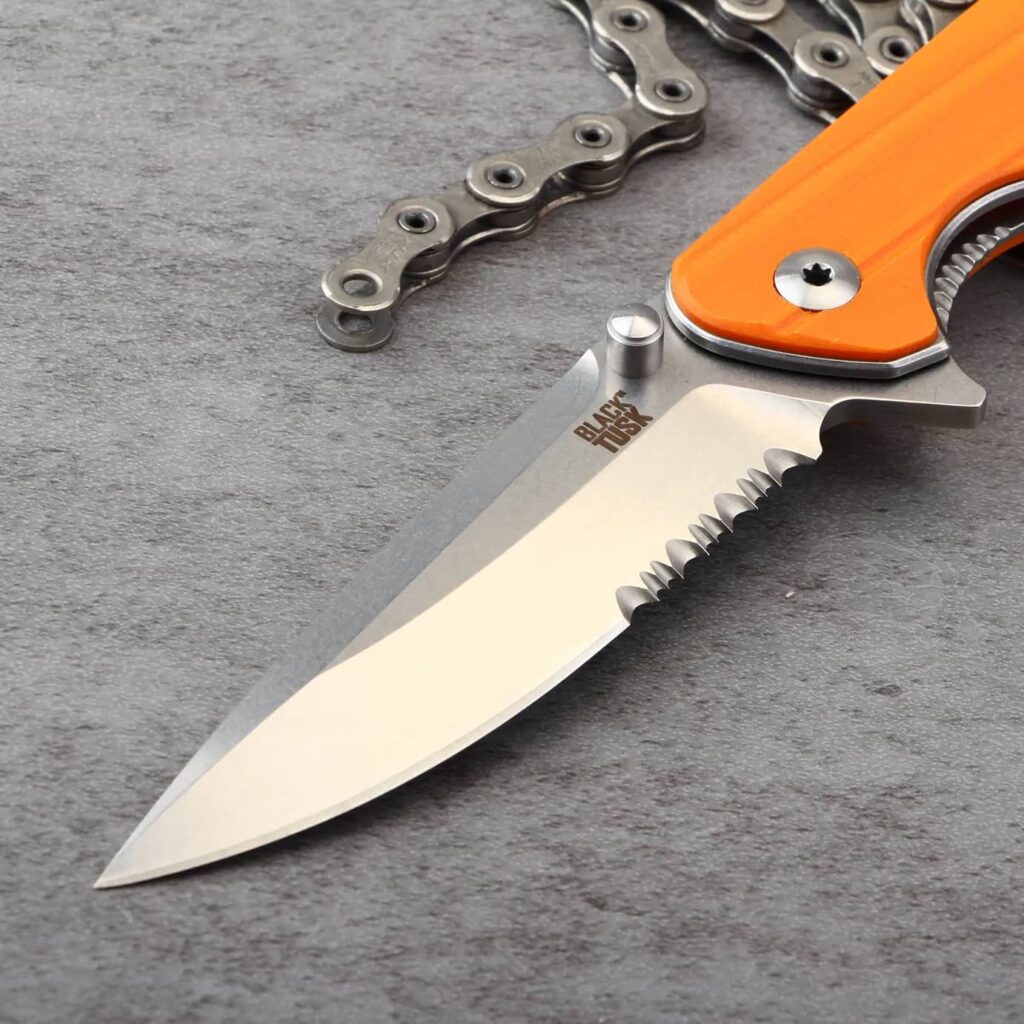
OEM Liner Lock Knife G10 Handle (3.58 Inch D2 Blade) KKFK00039
For most people, an EDC knife sees light-duty tasks: opening packages, cutting zip ties, trimming loose threads, and occasional food prep. In this environment, the plain edge is the clear winner.
Plain edges handle cardboard cleanly without snagging. They slice through tape and plastic without tearing. When you need to make a precise cut — stripping a wire, scoring material, or cutting a sandwich — the smooth edge gives you the control you need.
Serrated edges have a place in EDC, but a narrower one. If your daily routine involves cutting rope, nylon webbing, or thick plastic banding, serrations save effort and time. Warehouse workers, sailors, and rescue personnel often prefer serrated EDC blades for this reason.
Kegani recommendation: roughly 80% of EDC users should choose a plain edge as their primary blade. Those who regularly cut fibrous materials should consider a dedicated serrated blade or a combo edge as a secondary tool.
Kitchen & Food Preparation
The classic kitchen setup reflects this division: a plain-edge chef’s knife for 90% of tasks, plus a serrated bread knife for the remaining 10%.
Professional kitchens universally rely on plain-edge chef’s knives for the majority of prep work. The smooth blade produces clean cuts that don’t bruise herbs, tear meat fibers, or crush delicate vegetables.
But the kitchen is also where serrated edges shine brightest. A serrated bread knife is indispensable for crusty loaves, pastries, and cakes. The teeth grip the hard crust while the gullets glide through the soft interior without compression. Tomatoes, citrus fruits, and foods with tough skins also yield more easily to serrated teeth.
Outdoor/Tactical/Rescue
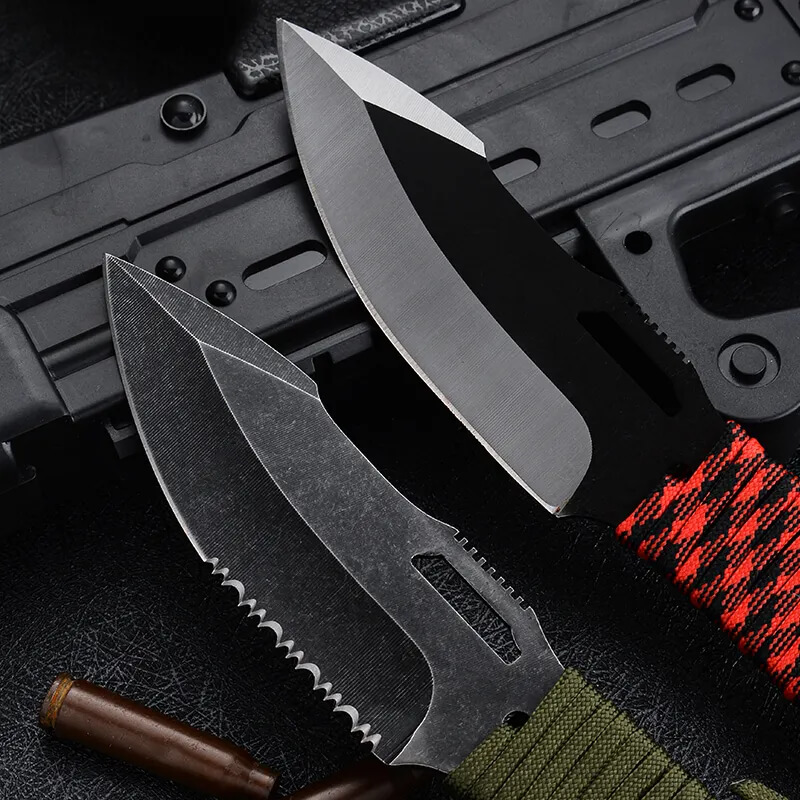
OEM Fixed Blade Knife Paracord Handle (3.74 Inch 3Cr13 Blade) KKFB00033
Outdoor use demands versatility. A plain edge handles camp food prep, feathering tinder, and fine cutting tasks with ease. It’s also easier to maintain in the field — a small pocket stone can restore a plain edge in minutes.
Serrated edges earn their place in rescue and tactical scenarios. Cutting seat belts, nylon webbing, or rope in an emergency requires the aggressive bite that serrations provide. Maritime and rigging contexts have historically favored serrated knives for line-cutting duties. The sawing motion works even when the user has limited leverage or is wearing gloves.
For tactical applications, some operators prefer plain edges for the cleaner wound channels and reduced snagging risk. Others value serrations for their aggressive cutting power against heavy materials.
OEM Manufacturing Considerations
For brand managers, edge type is a strategic lever that balances production costs against market reach. At Keganico, we use the following framework to optimize product line ROI:
| Metric | Plain Edge | Serrated Edge | Impact on Sourcing |
|---|---|---|---|
| Processing Cost | Base (1.0x) | +15-25% | Requires specialized CNC grinding wheels and slower feed rates. |
| Tooling/Fixturing | Standard | Custom Jigs | Increases initial setup time; affects MOQ for custom patterns. |
| Market Positioning | Standard/Premium | Specialized/Utility | Serrated variants often support a 10-15% MSRP premium. |
| SKU Efficiency | High | Medium | Use the same handle/hardware to double catalog options with minimal R&D. |
Strategic Implementation
- SKU Scaling: Leverage “Parallel SKU” strategies—offering the same handle and blade shape in both plain and serrated variants lets you double your catalog without doubling design investment (e.g., Benchmade, Spyderco, Kershaw).
- Target Market Alignment: Kitchen lines should lead with plain edges; EDC brands require both; tactical/rescue brands see the highest demand for combo edges.
- Steel Pairing: Spec high-wear steels (S30V, D2) for serrated production to maximize tooth longevity; use 14C28N or VG-10 for plain edges to ensure easier end-user maintenance.
Pro Tip for Brands: Leading EDC brands typically launch new models with a 70/30 split (70% Plain, 30% Serrated/Combo) to match actual market demand while covering all customer segments.
Maintenance & Sharpening Guide
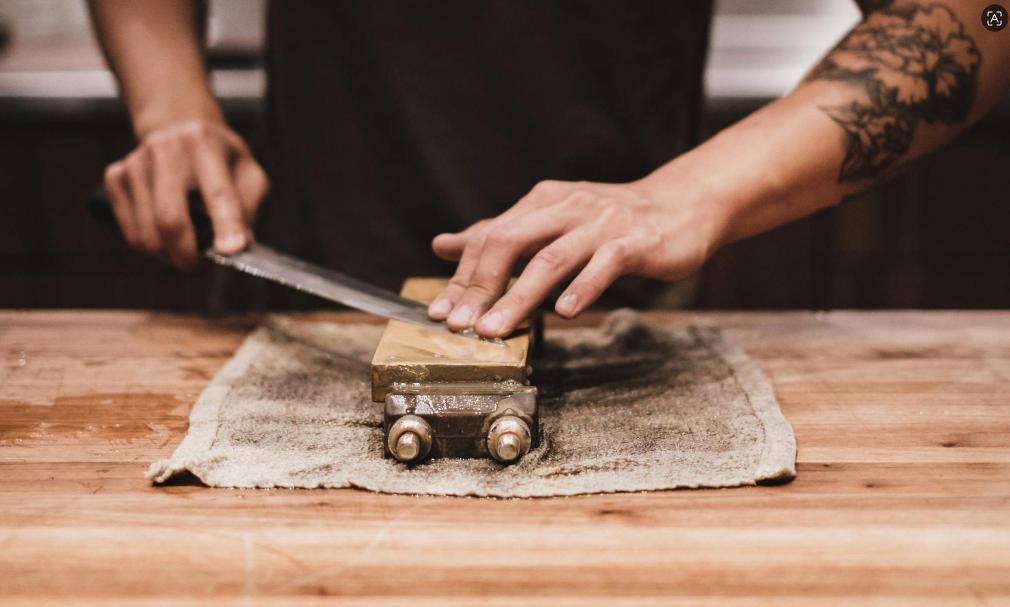
How you maintain your knife depends entirely on its edge type. Using the wrong technique or tools can damage the blade rather than restore it.
Sharpening Plain Edge Knives
Plain edge sharpening is accessible to anyone with basic tools and patience.
- Tools: A quality whetstone set (400-1000 grit for repairs, 3000-8000 grit for polishing) and a honing rod for routine edge alignment.
- Angle: Match the factory bevel. Most pocket knives use 20 degrees per side (40 degrees inclusive). Kitchen knives often use 15 degrees per side for finer cutting.
- Process: Work through grits progressively. Raise a burr on one side, then switch to the other. Remove the burr with light alternating strokes. Finish on a strop or high-grit stone.
- Time: Routine touch-ups take 5-10 minutes. Full restorations from a damaged edge may take 20-30 minutes.
Sharpening Serrated Knives
Serrated sharpening demands precision and the right equipment.
- Tools: A tapered diamond or ceramic rod that matches your gullet radius. Popular options include the Spyderco Sharpmaker (with triangle rods) and the Lansky serrated hone system. Standard flat stones are unsuitable — they will flatten the tooth geometry.
- Angle: Follow the existing bevel, typically 13-17 degrees on the beveled side. Use a permanent marker on the gullets to verify you’re hitting the correct angle.
- Process: Work the rod through each gullet individually using short, controlled strokes. Push away from the edge toward the spine. Match the rod diameter to the gullet size — too thick deforms the gullet; too thin doesn’t make full contact. After sharpening the bevel side, make one or two light passes on the flat side to remove any burr.
- Time: Expect 20-30 minutes for a full touch-up. Heavily worn edges may require professional re-serration service.
OEM upsell opportunity: Consider bundling a sharpening kit with your knife line. Branded maintenance tools add perceived value and create repeat customer touchpoints.
Conclusion
The “winner” in the serrated vs. plain edge debate depends entirely on your specific objective:
- Plain Edges: The standard for precision, clean slicing, and effortless maintenance.
- Serrated Edges: The specialist for fibrous materials and extended “working sharpness” in high-abrasion tasks.
- For Brands: A dual-offering strategy is the most profitable path. While serrated blades cost 15-25% more to produce, the resulting market reach and premium retail margins consistently offset the investment.
Final Verdict: Match the edge to the task. If you are building a product line, offering both configurations ensures you capture every segment of the market.
Partner with Kegani for Your Knife Line
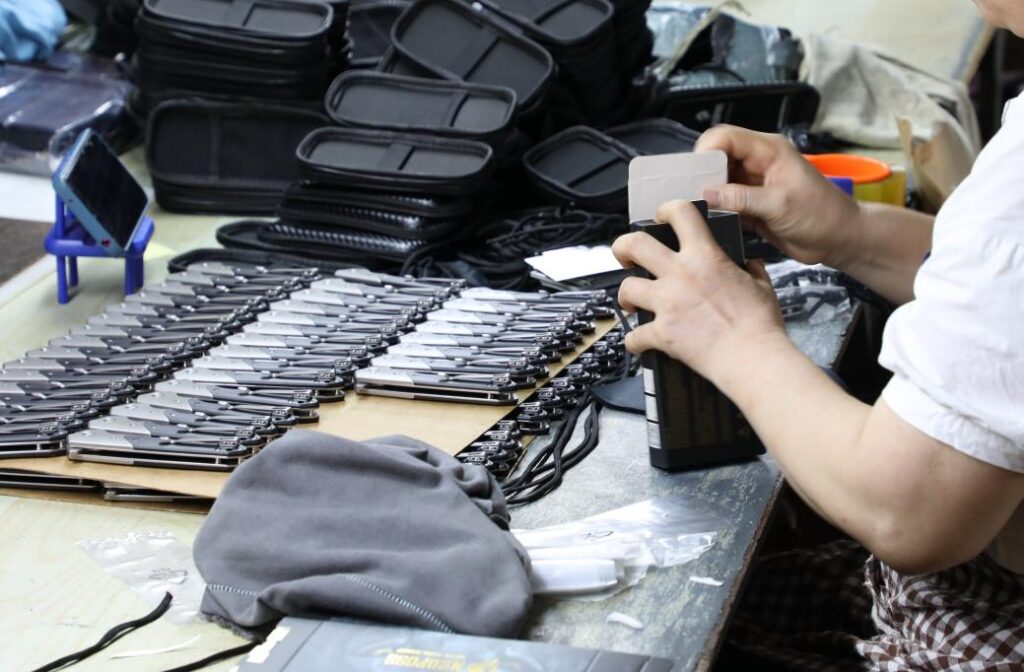
Looking to develop a knife line that delivers the right edge for your target market? Keganico specializes in precision edge grinding across all configurations — plain, serrated, and partially serrated.
Our Edge Manufacturing Capabilities Include:
- Precision plain edge grinding with bevel angles from 15° to 30°
- Serrated edge cutting with consistent tooth geometry and gullet depth
- Partially serrated configurations with customizable split ratios
- Multiple steel options: S30V, 14C28N, D2, VG-10, and more
- Consistent quality control ensuring every blade meets specification
Whether you need EDC folders, outdoor fixed blades, or kitchen knives, we deliver precision edge geometry that performs.
We offer multiple services to suit your business needs:
- Private Label Knives – Put your brand on our expertly crafted blades
- OEM Manufacturing – Custom designs with your choice of edge configuration
- Wholesale Service – Stock quality knives at competitive prices
Get Your Free Quote Now and discover why leading brands trust Keganico for their knife production needs.
Start Working with a Professional Now
Frequently Asked Questions
Can you sharpen a serrated knife at home?
Yes, but you need the right tools. A tapered diamond or ceramic rod that matches your gullet size is essential. Standard flat whetstones will damage the tooth geometry. Work each gullet individually at the factory bevel angle (typically 13-17 degrees). Expect the process to take 20-30 minutes versus 5-10 minutes for a plain edge.
Can a plain edge knife cut bread?
A plain edge knife can cut bread, but it struggles with crusty loaves. The smooth edge compresses the soft interior while trying to slice through the hard crust. A serrated bread knife produces cleaner slices with minimal pressure. For soft bread like brioche, a very sharp plain edge works adequately.
Do serrated blades do more damage?
Serrated blades create jagged, torn wounds rather than clean incisions. In medical and tactical contexts, this means harder-to-treat injuries. For cutting tasks, this “damage” is usually desirable — the tearing action severs fibers more aggressively. The serrated pattern also leaves a distinctive cut signature that differs from the clean slice of a plain edge.
Can a serrated knife cut through bones?
Standard serrated knives (like bread or EDC blades) are not designed for cutting bone. While industrial bone saws use serrations, they feature specialized tooth offsets and tempers. Attempting to cut bone with a standard serrated knife will likely chip the teeth or dull the tips instantly. Use a dedicated bone saw or a heavy-duty cleaver for such tasks.
What dulls a knife the fastest?
The fastest way to dull any knife is cutting on hard surfaces like glass, stone, or ceramic plates. For plain edges, contact with metal (wire, staples, nails) and abrasive materials (cardboard, sand) causes rapid edge degradation. For serrated edges, hitting bone or metal can chip individual teeth. A quality cutting board — wood or soft plastic — is the simplest way to extend edge life for either type.
Can serrated knives cut tomatoes?
Yes, serrated knives excel at cutting tomatoes. The teeth pierce the slippery skin easily without squashing the soft flesh inside. A sharp plain edge can also slice tomatoes cleanly, but requires more frequent sharpening to maintain the edge needed for skin penetration. Most home cooks find a serrated knife more forgiving for tomato slicing.